
Mariahilfer Straße 15
Graz, 8020
0043316776491
Michael Ernest Schranzer
Your Custom Text Here
A RTWORKS
FRGMNT
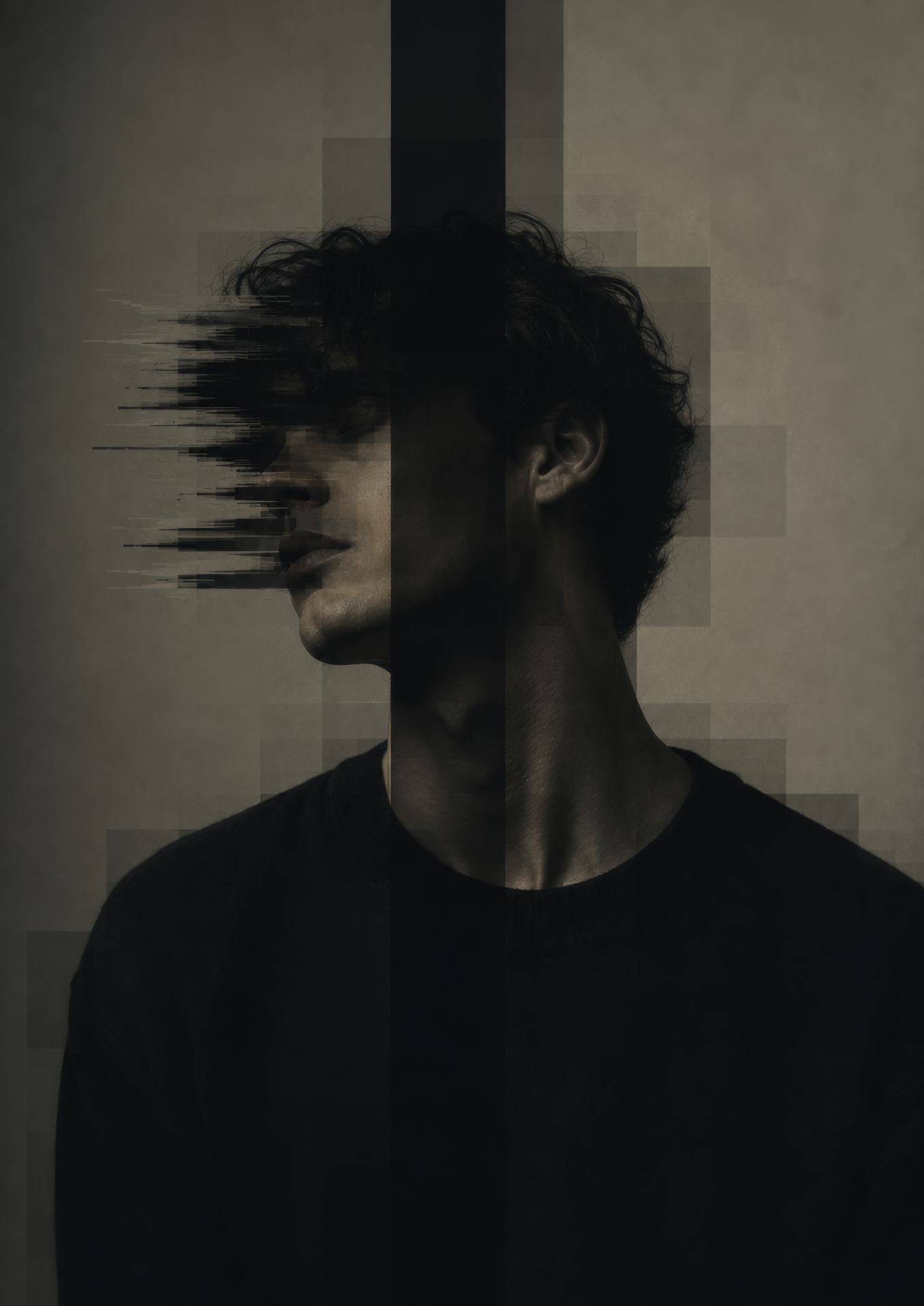
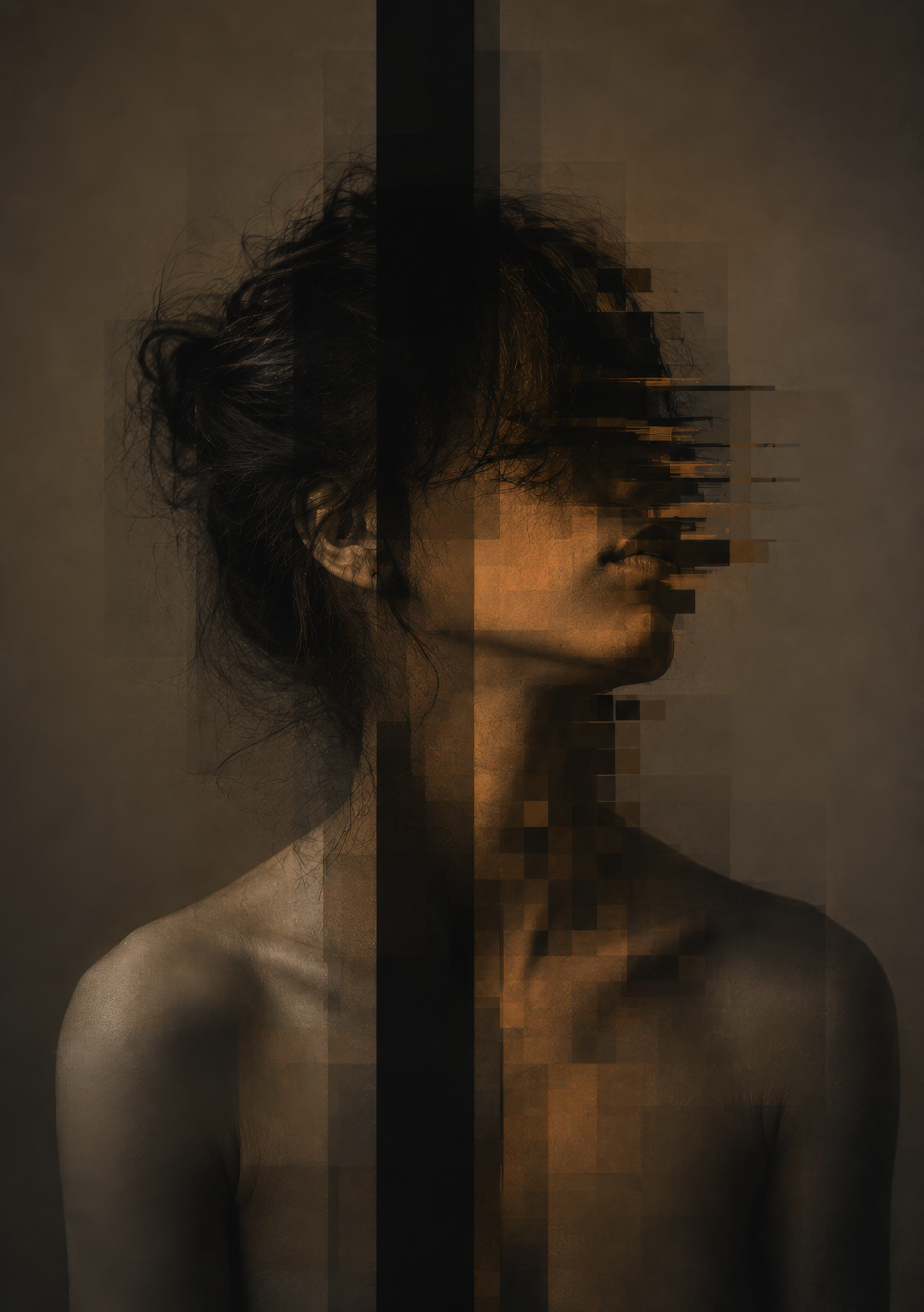
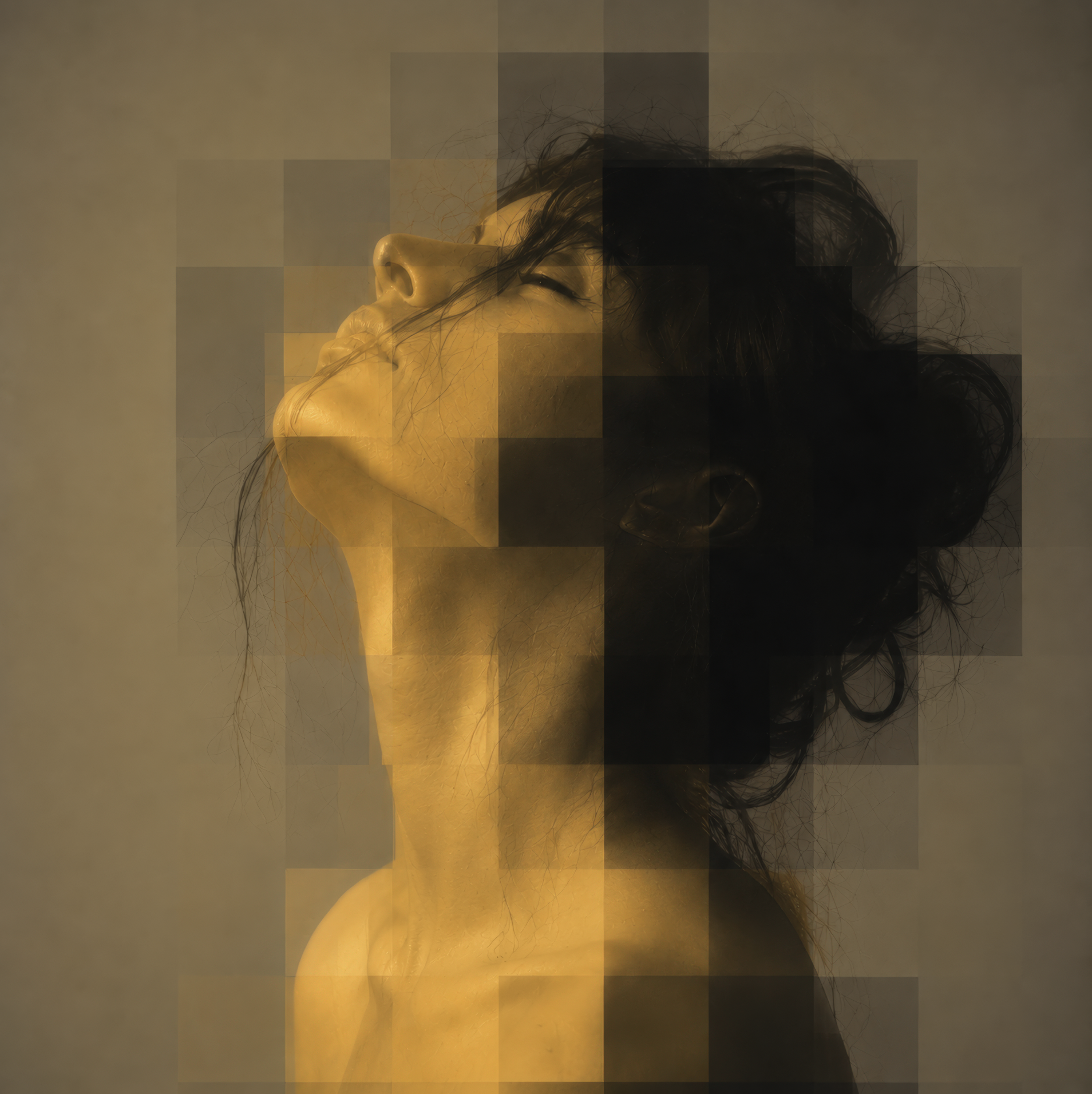
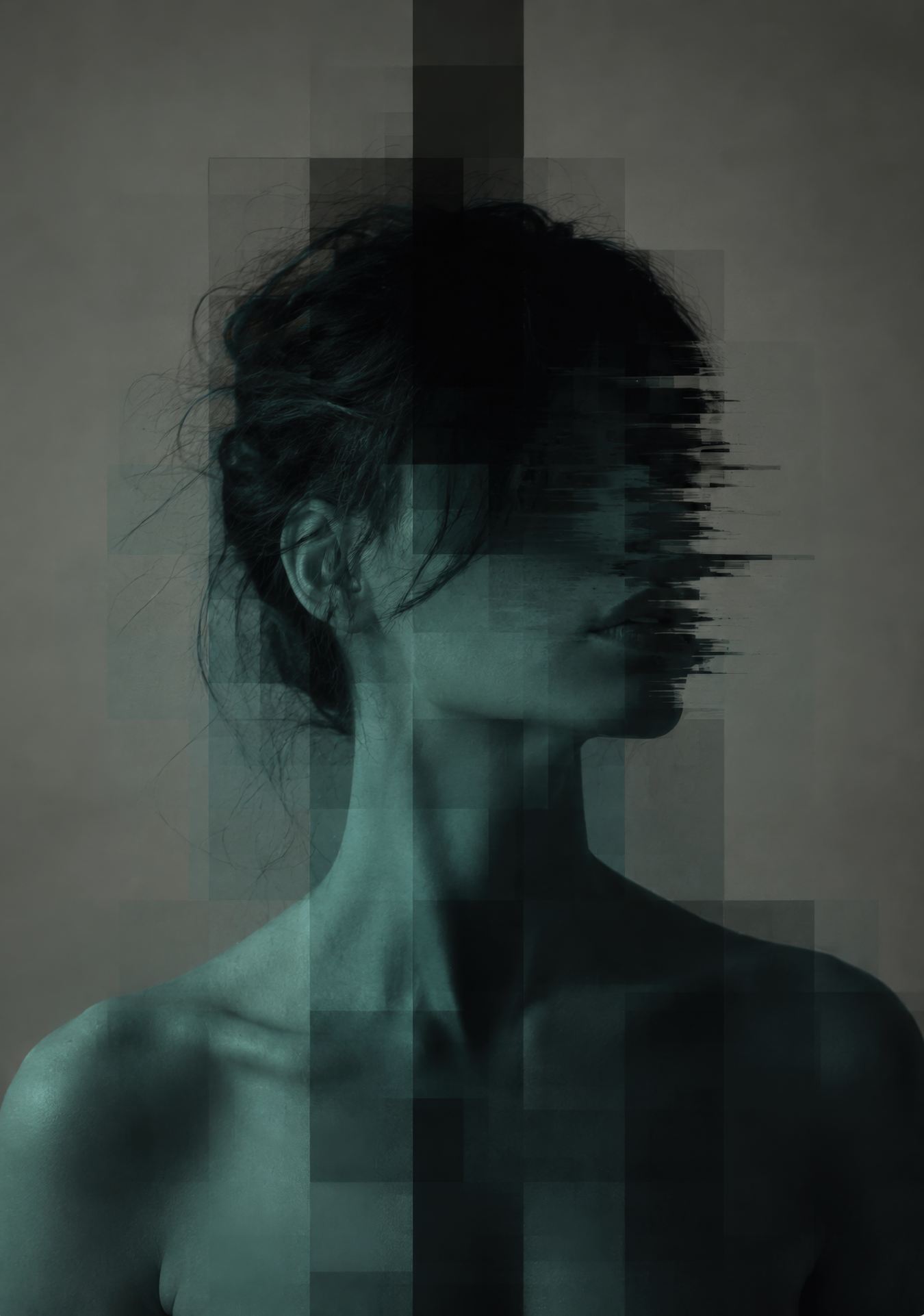
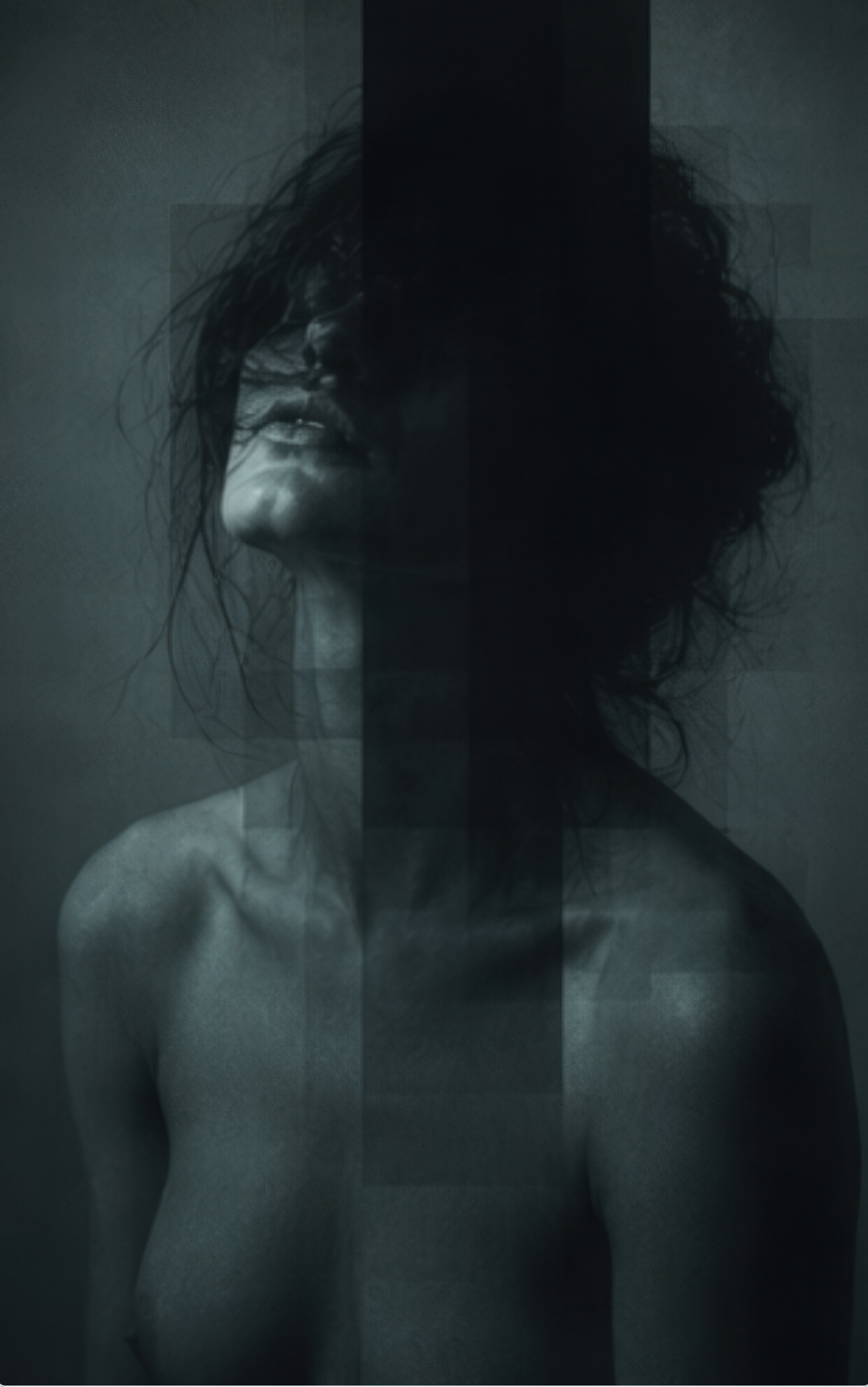
FRGMNT
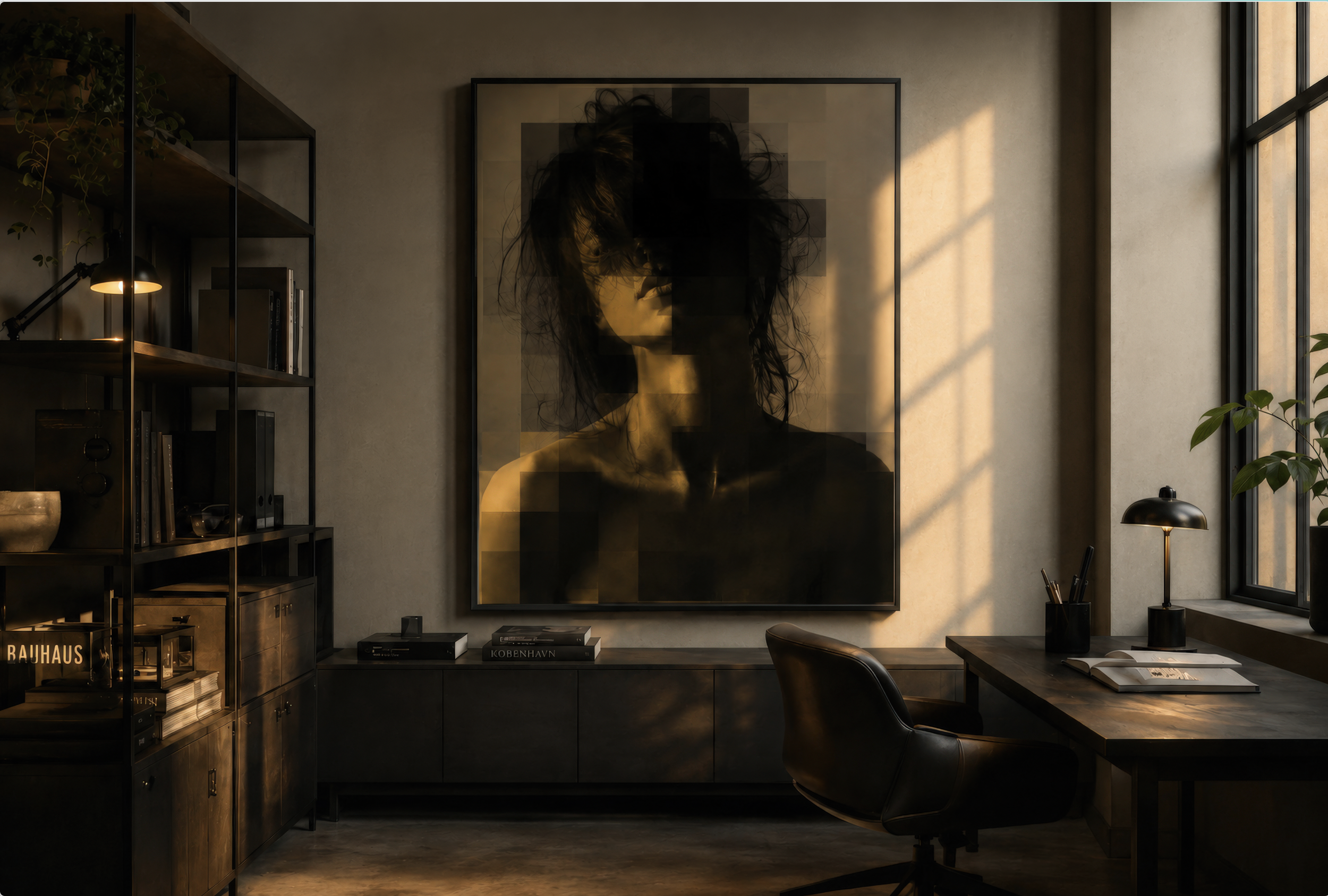
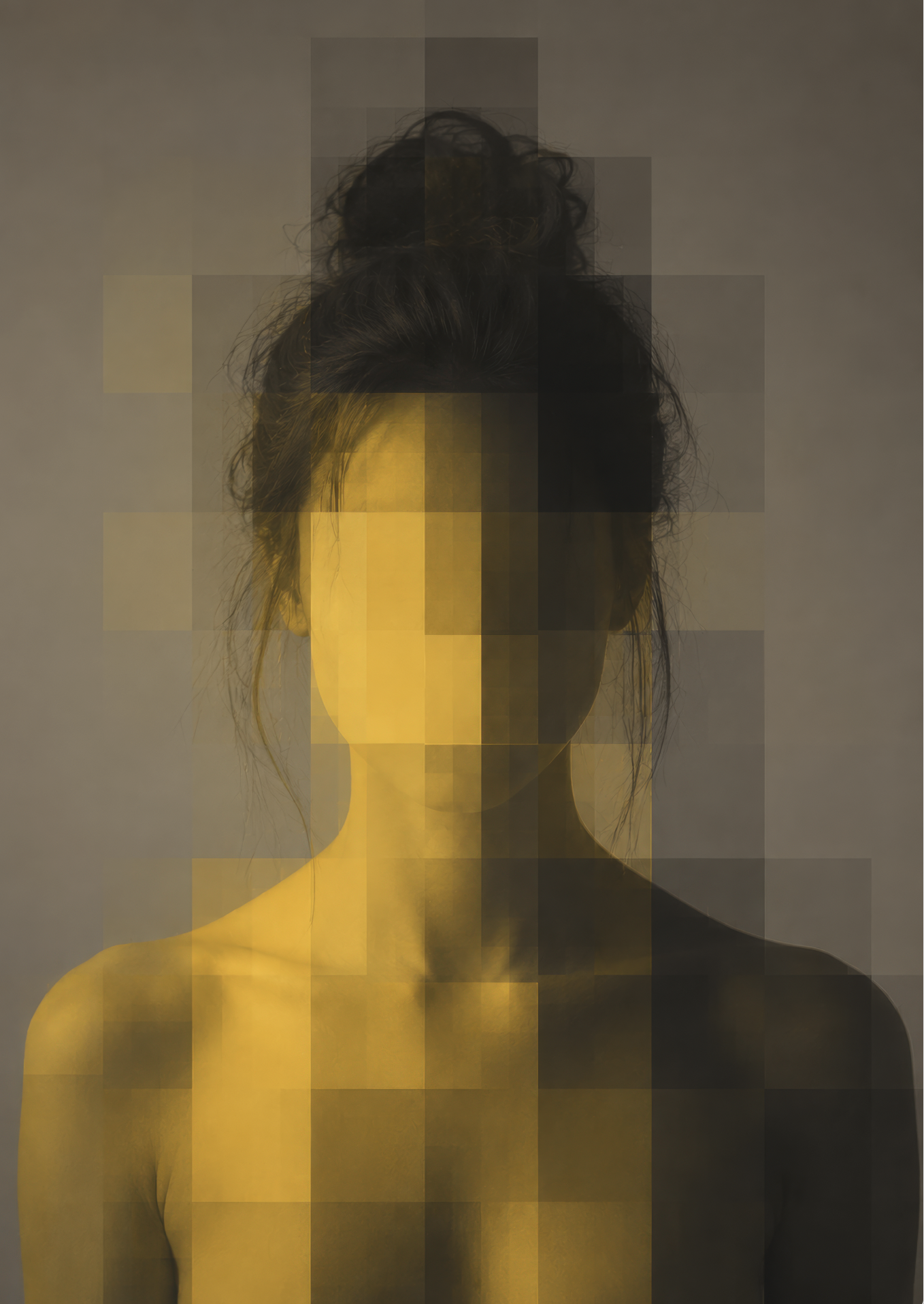
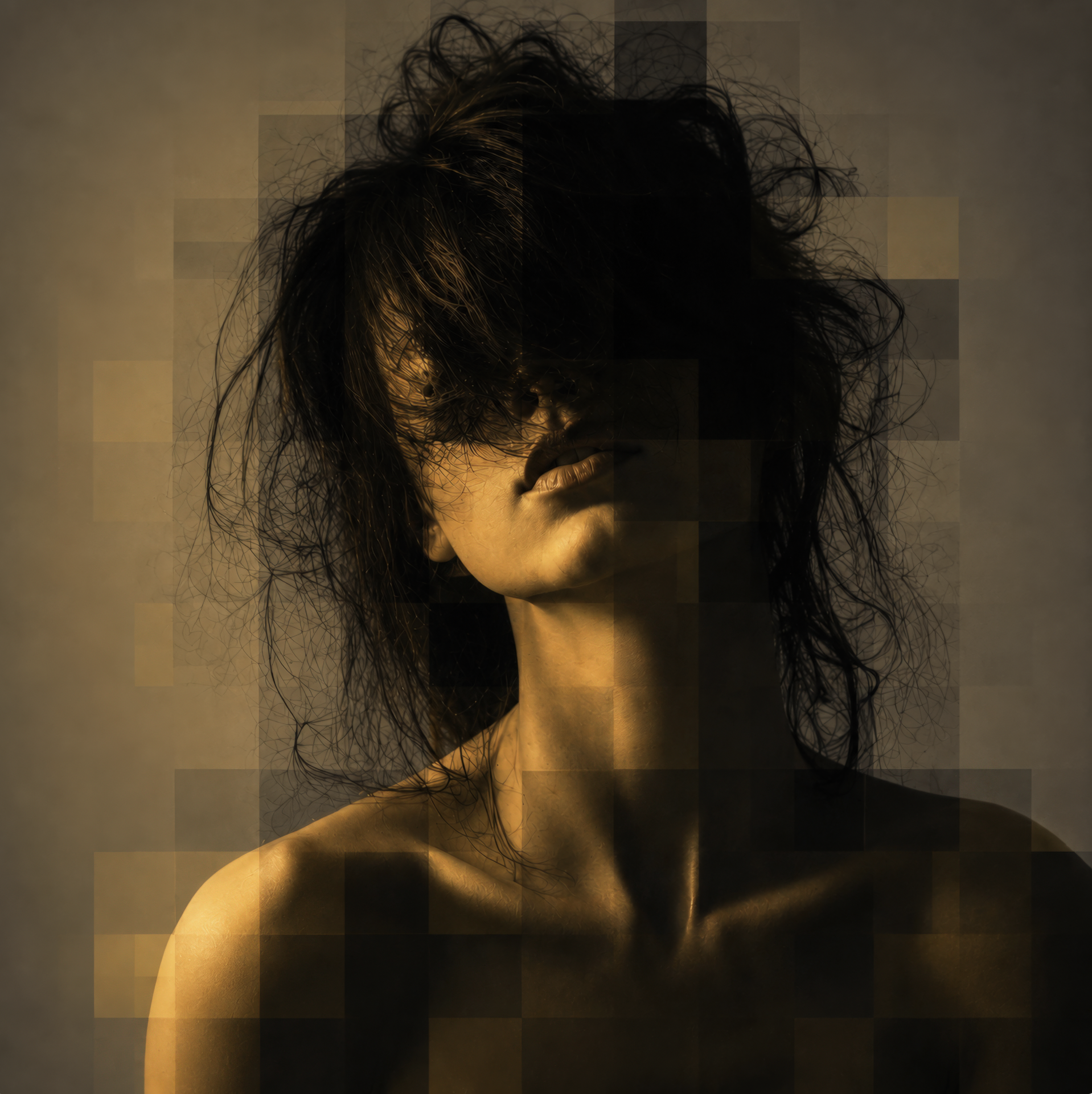
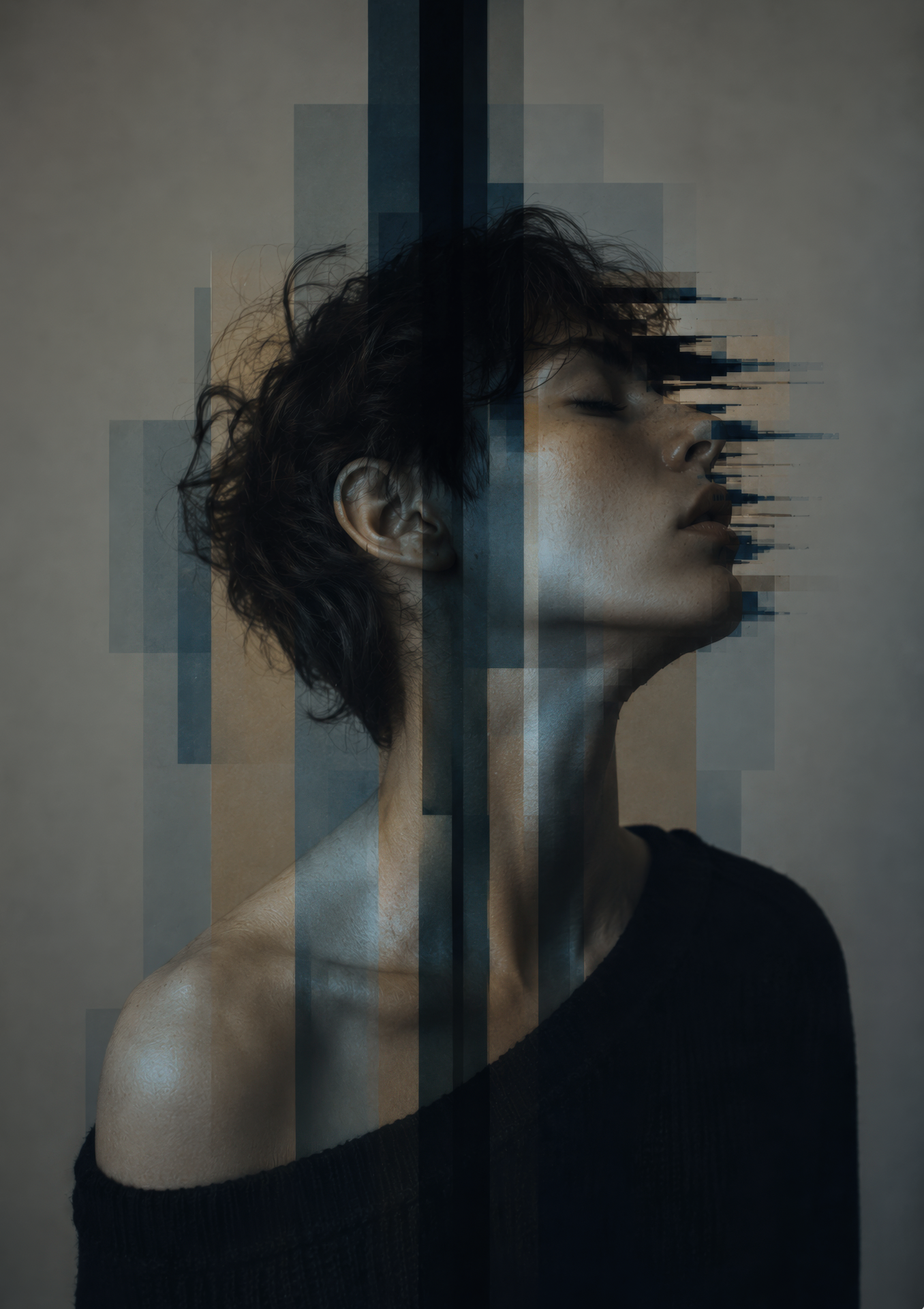
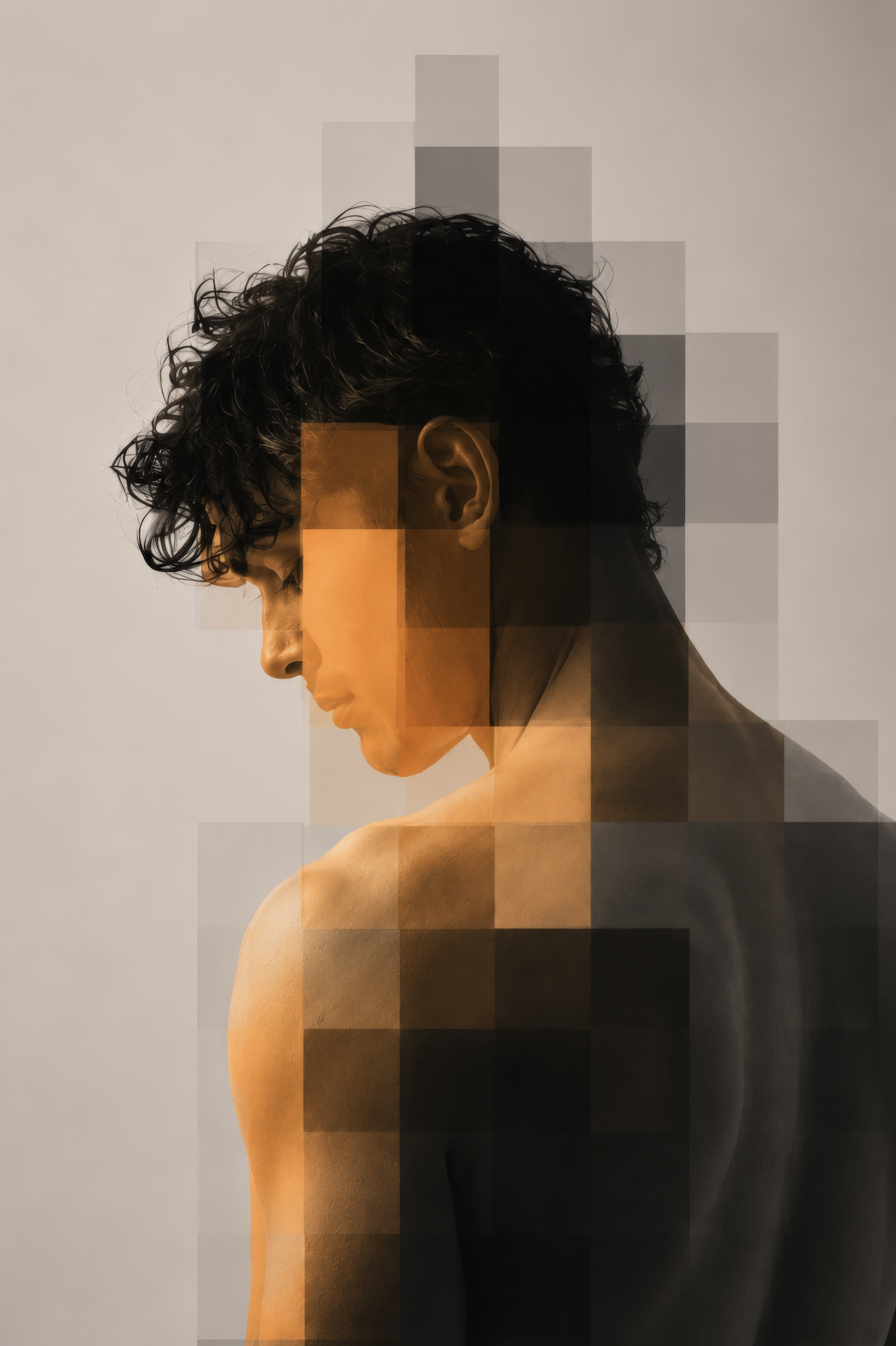
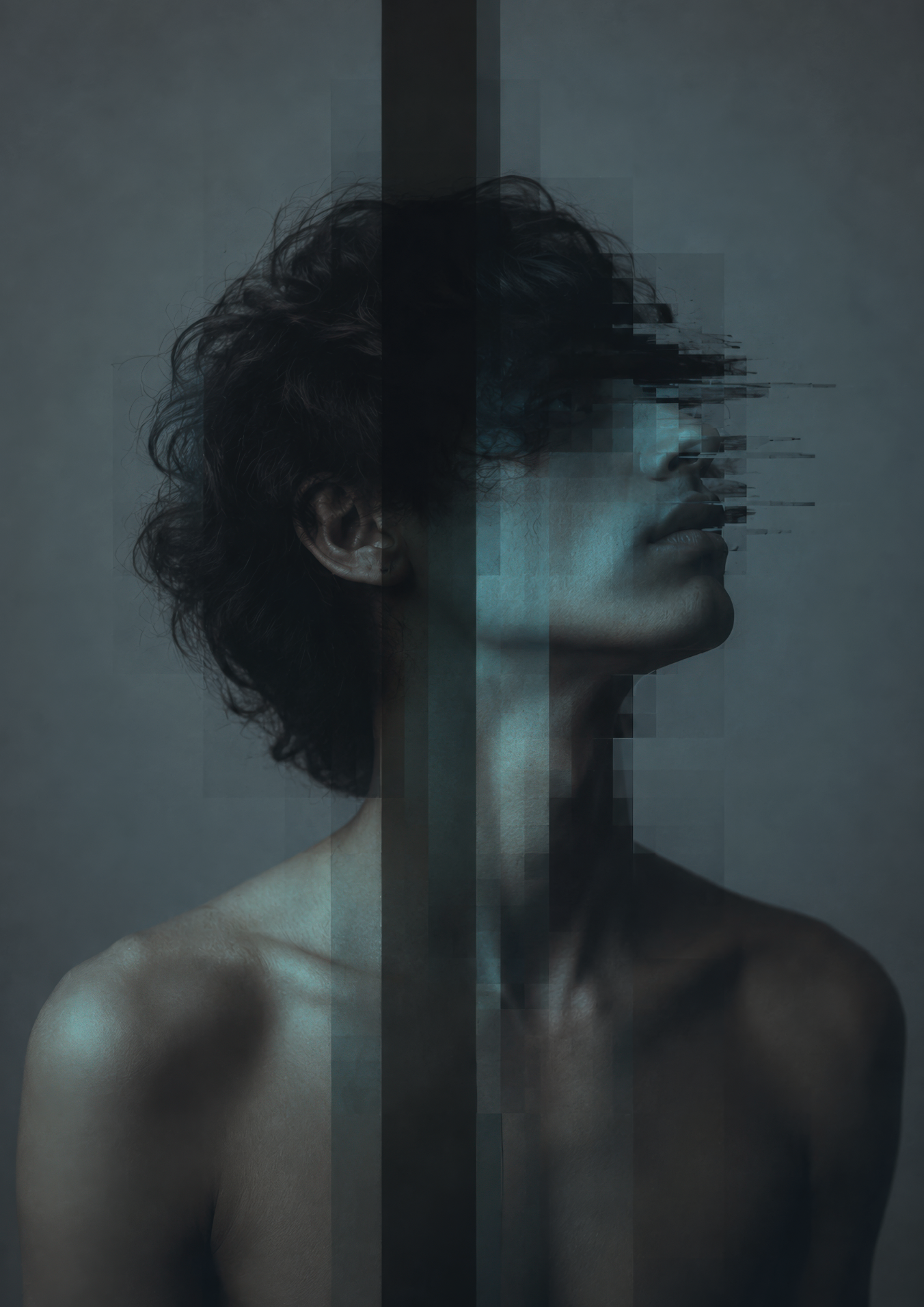
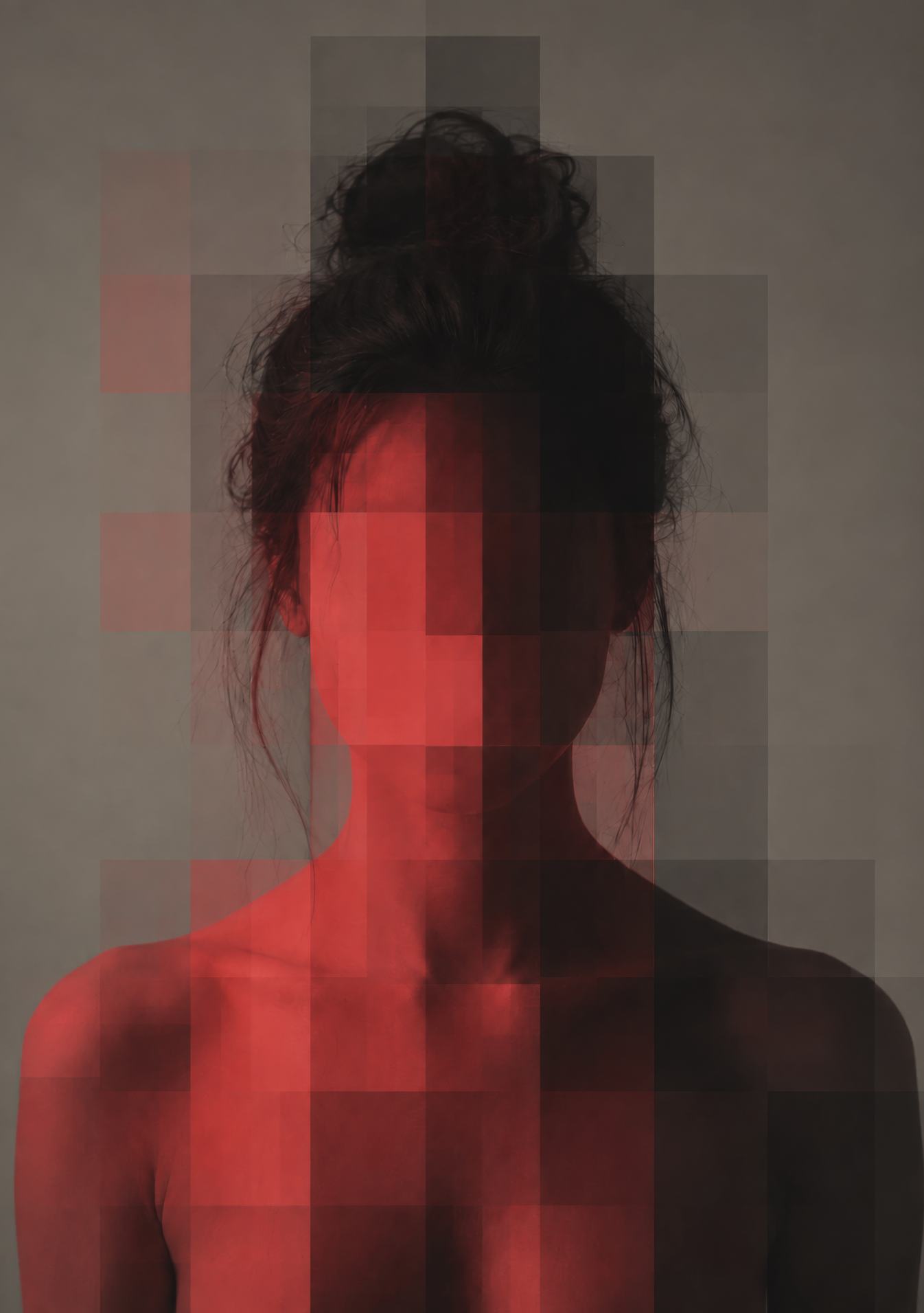
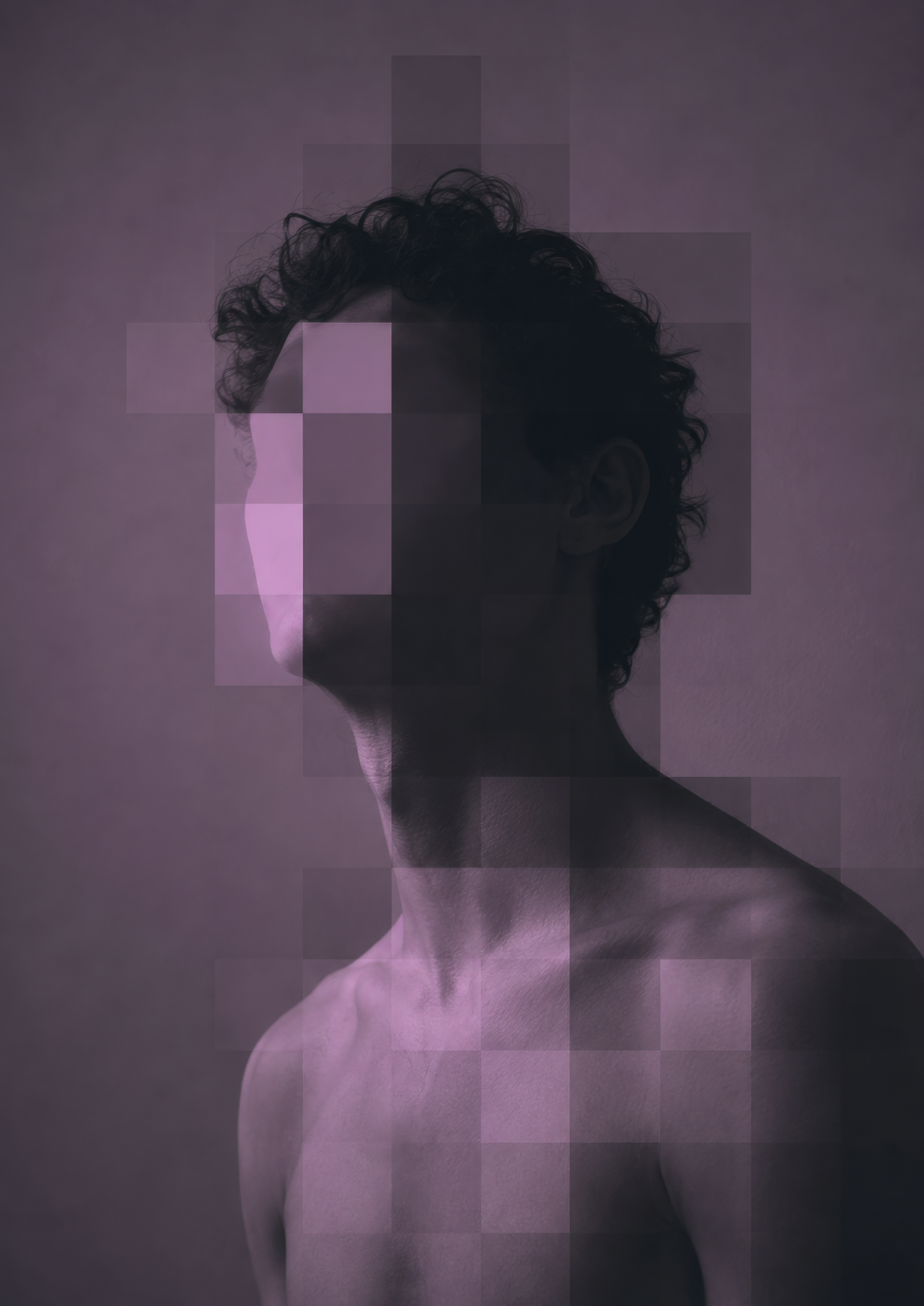
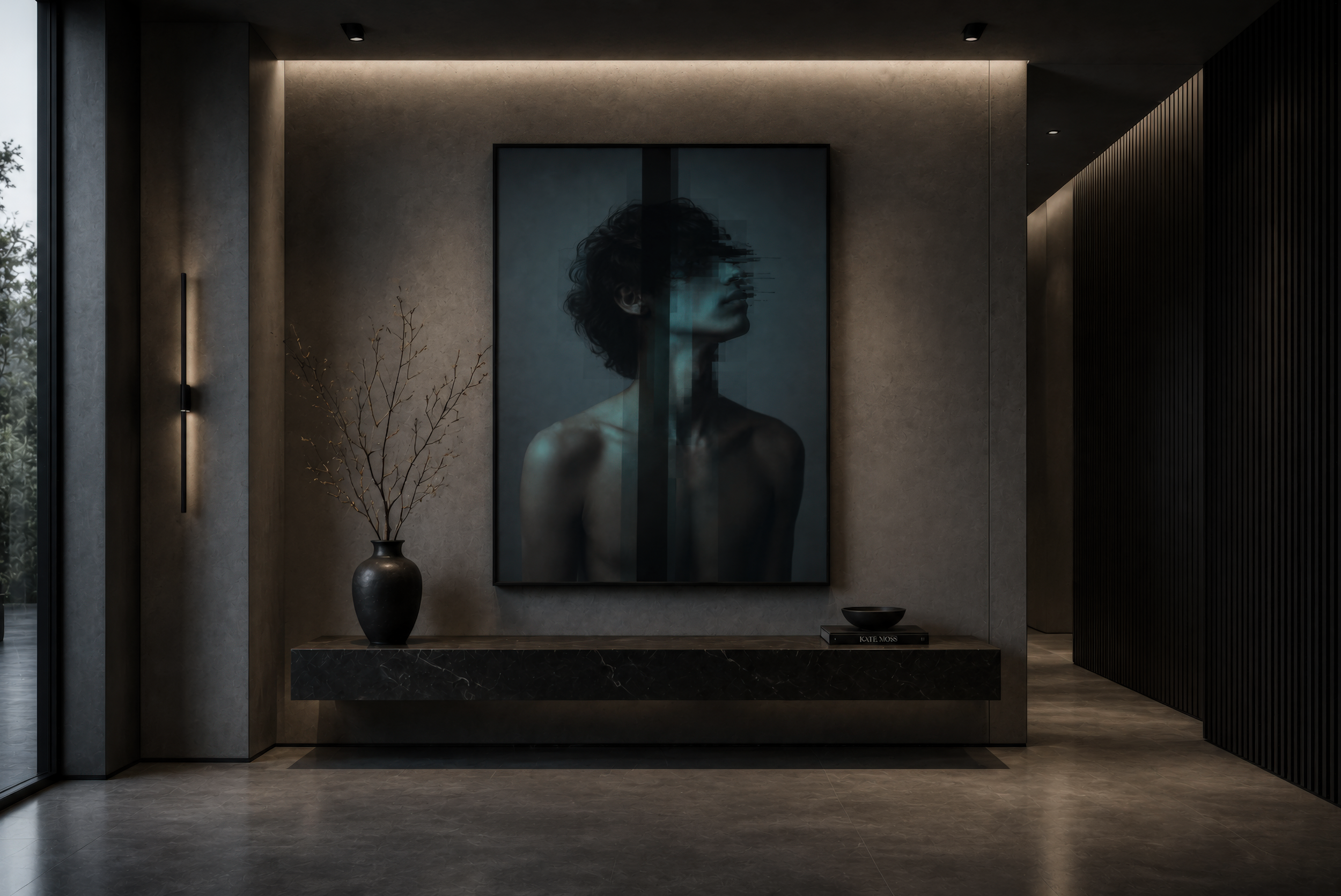
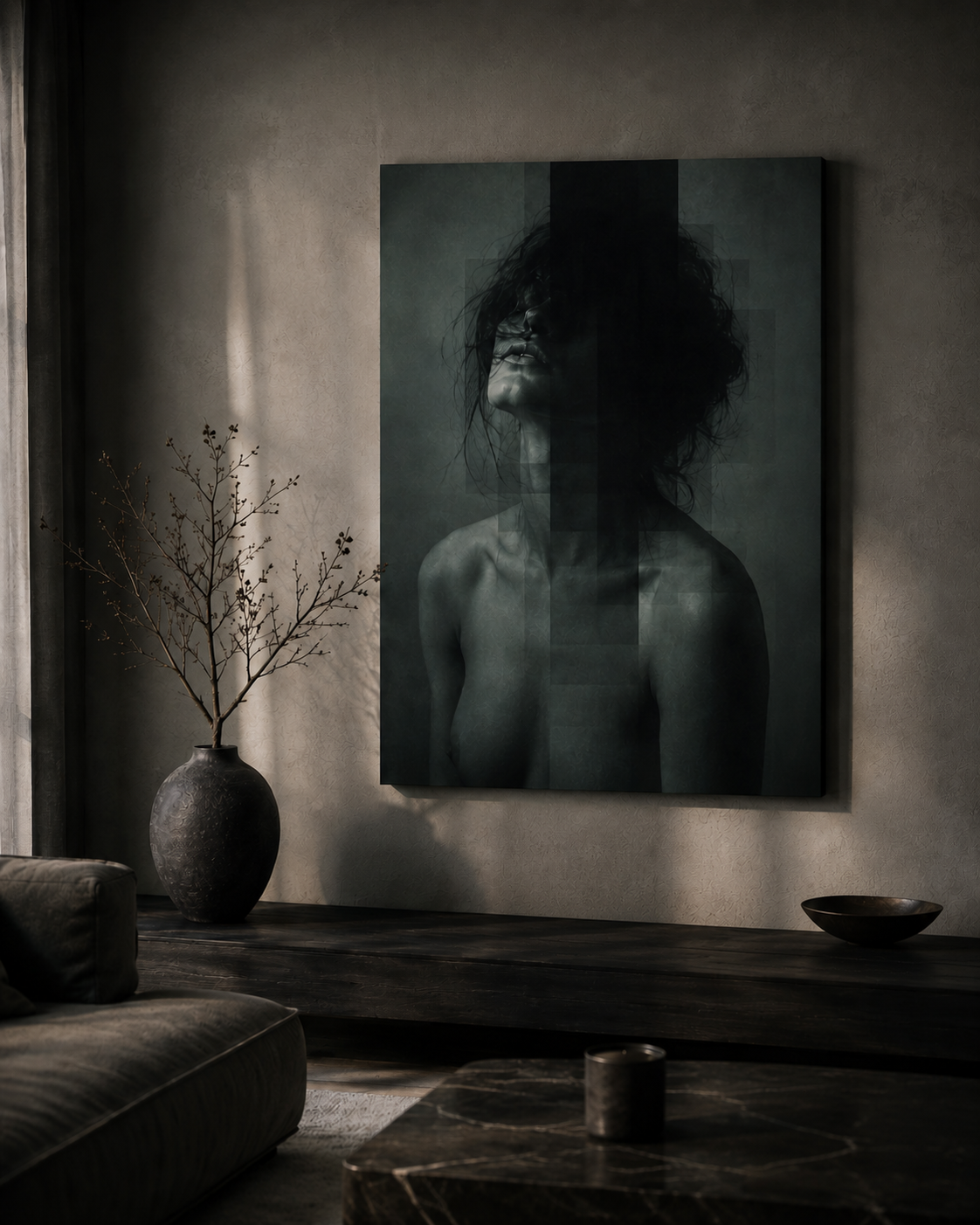
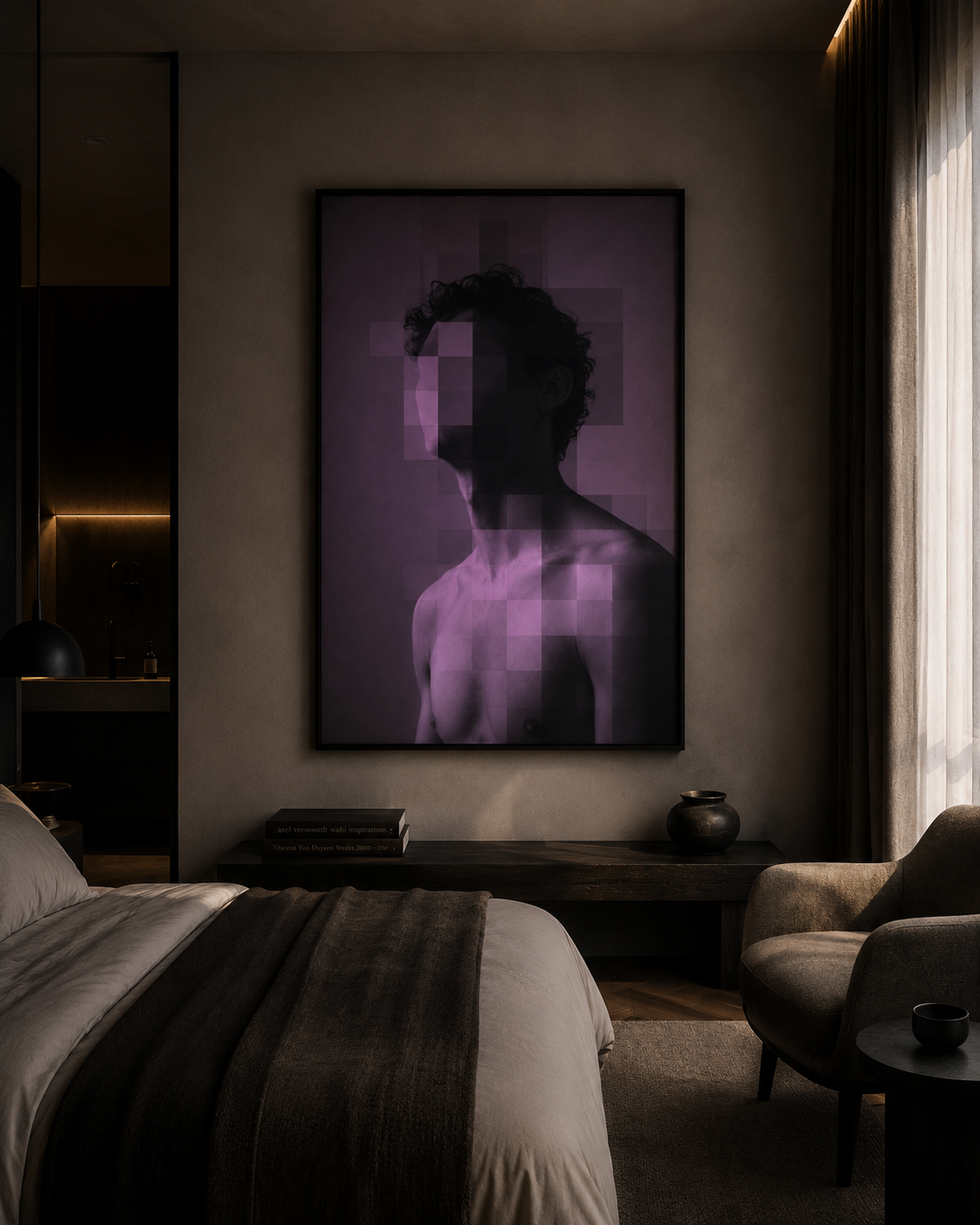
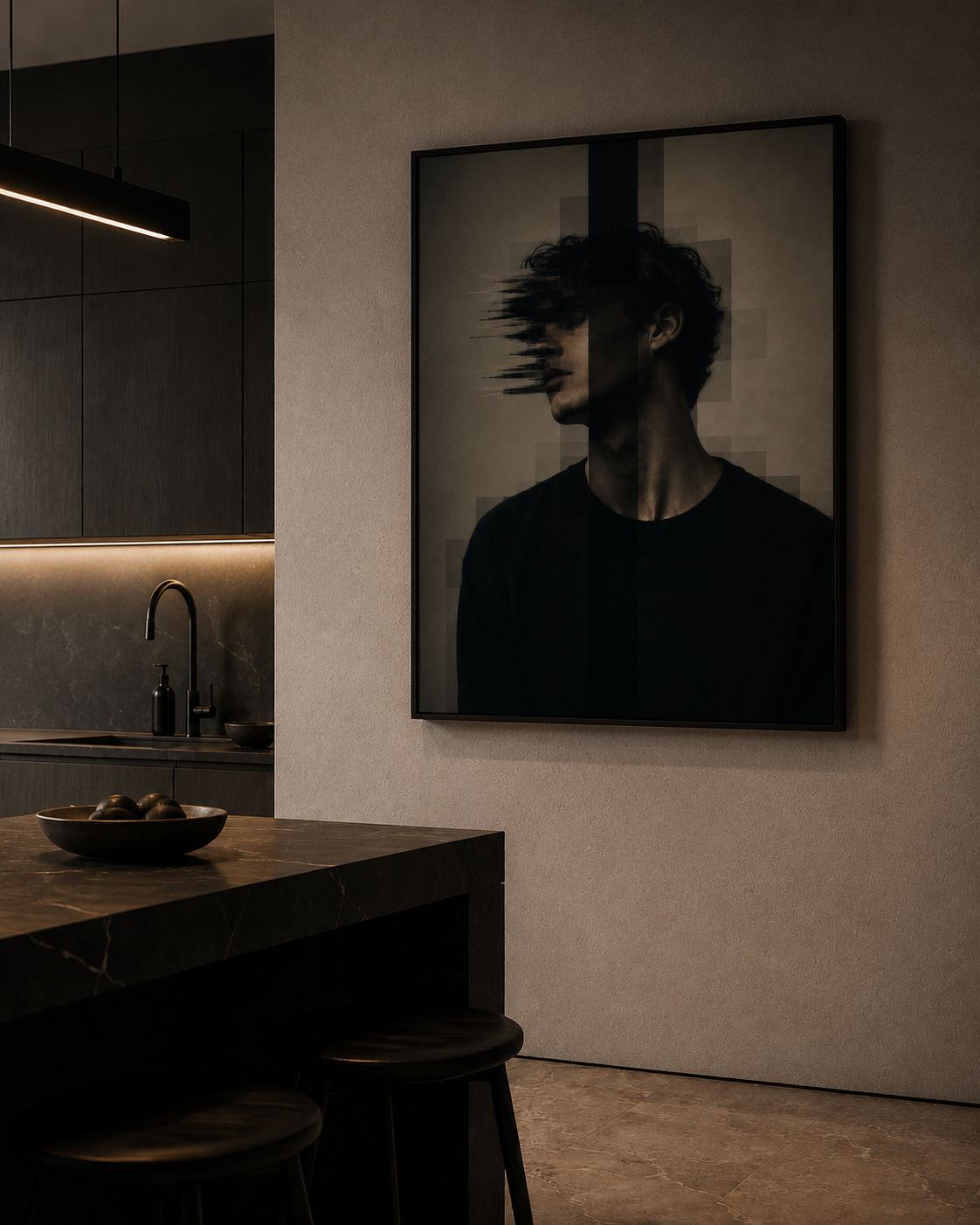
exists somewhere between visibility and dissolution.
The works do not portray people as perfect representations, but as fragile moments, filled with traces, emotions, and quiet fractures.
Soft forms meet digital fragments, clarity meets blur. The result is a series of intimate portraits with a silent, almost dreamlike atmosphere.
The collection speaks of vulnerability, memory, and the beauty of imperfection, somewhere between closeness and distance.
NORTHERN SIGNALS
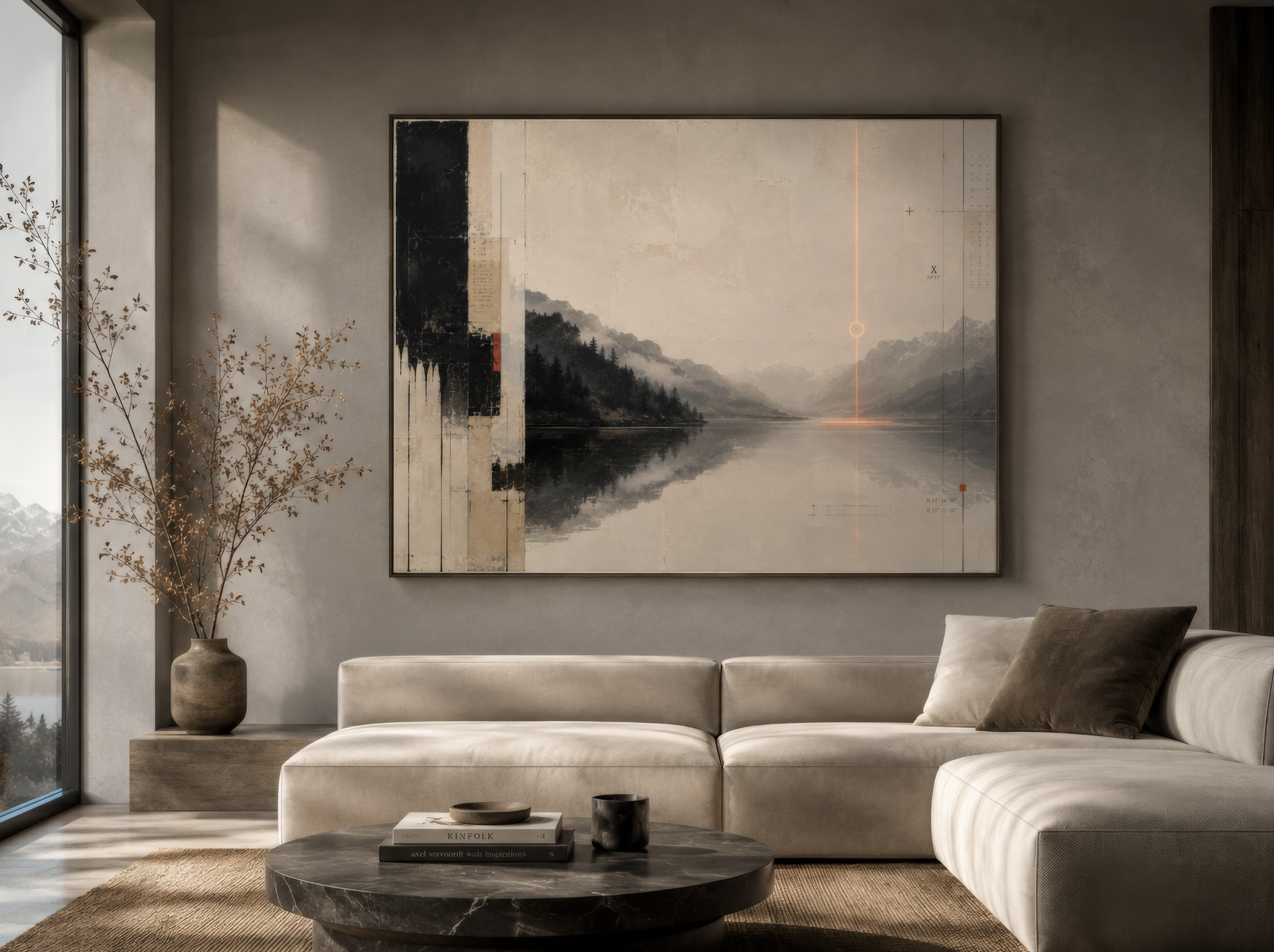
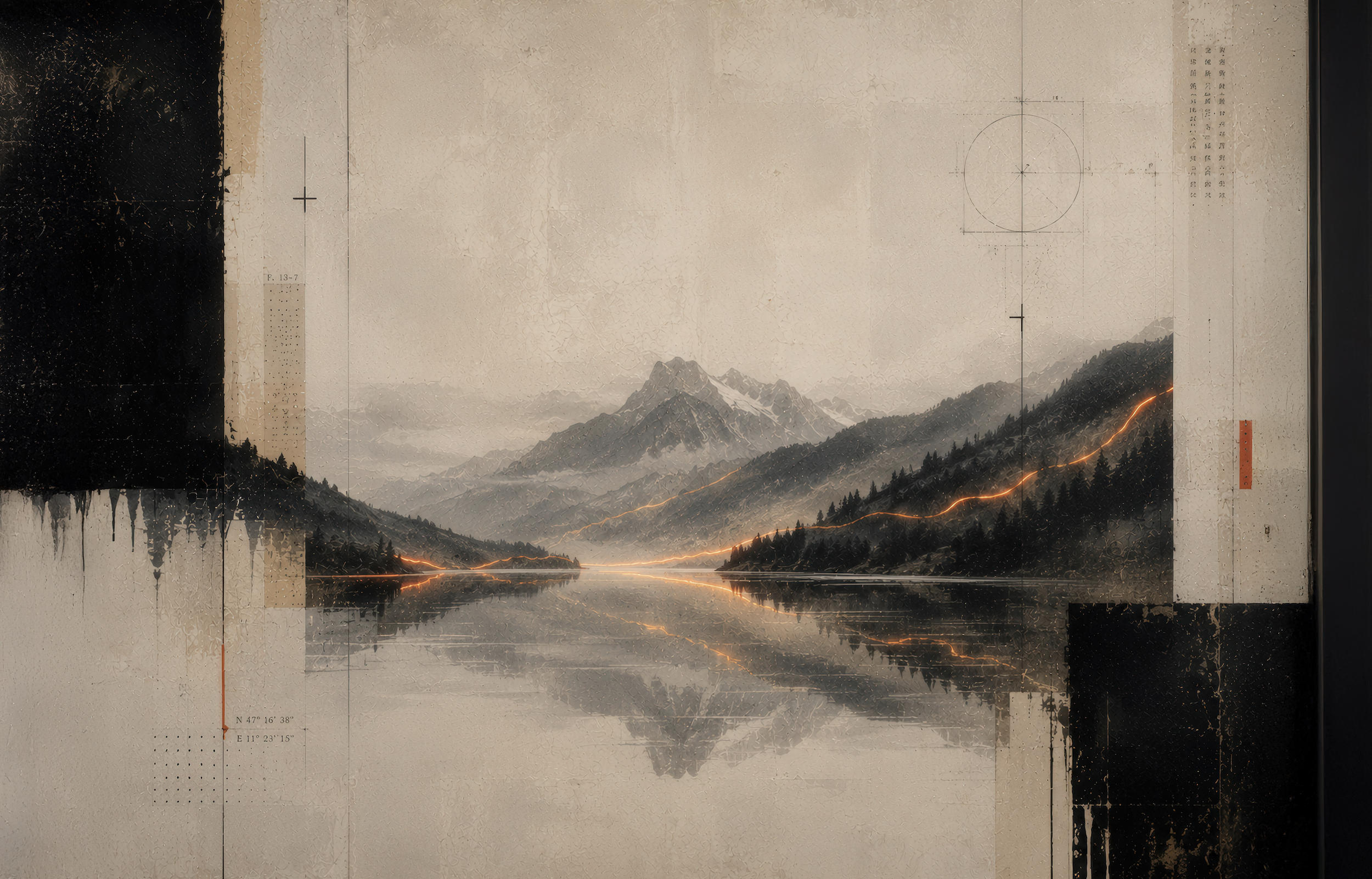
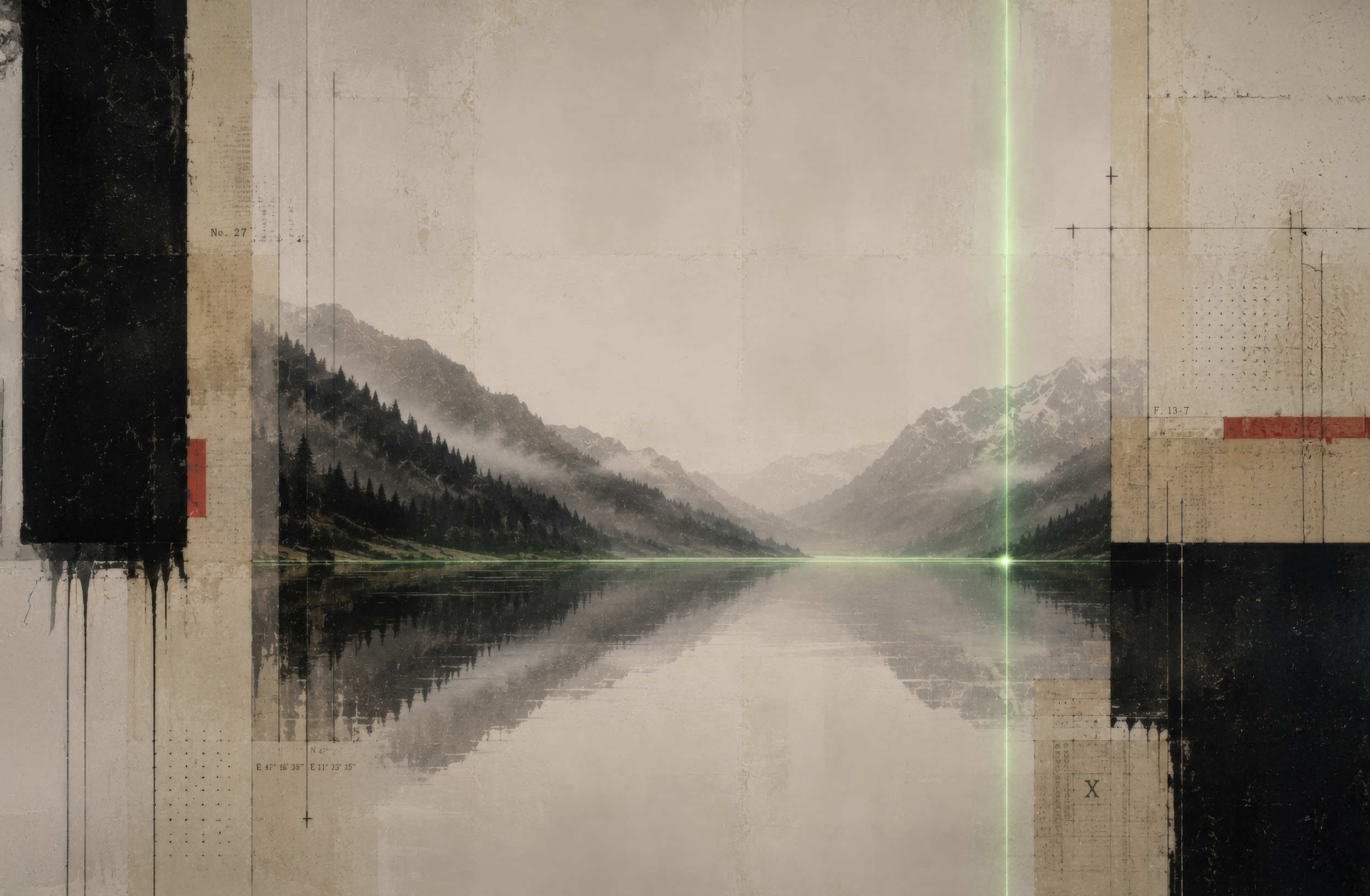
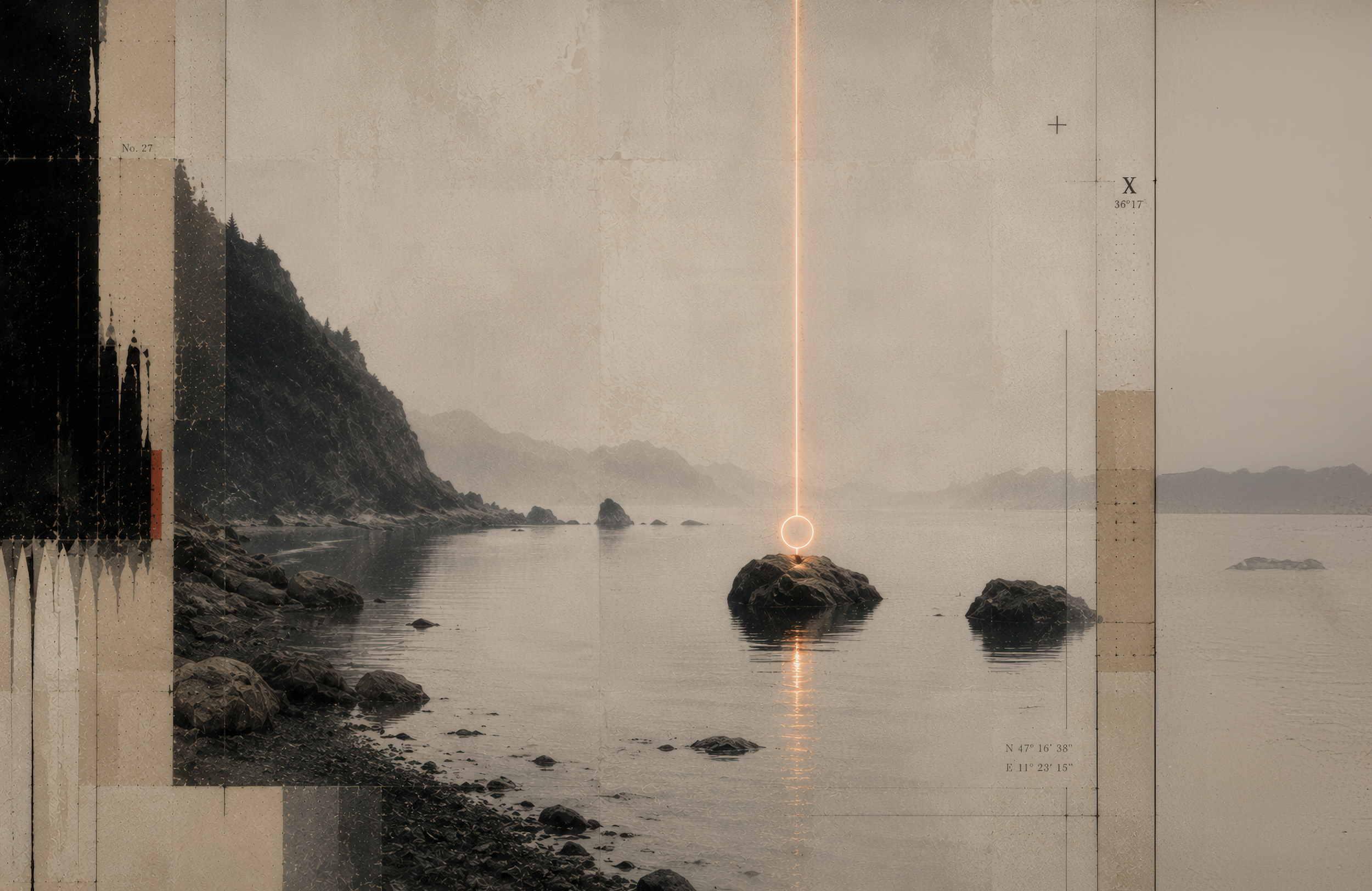
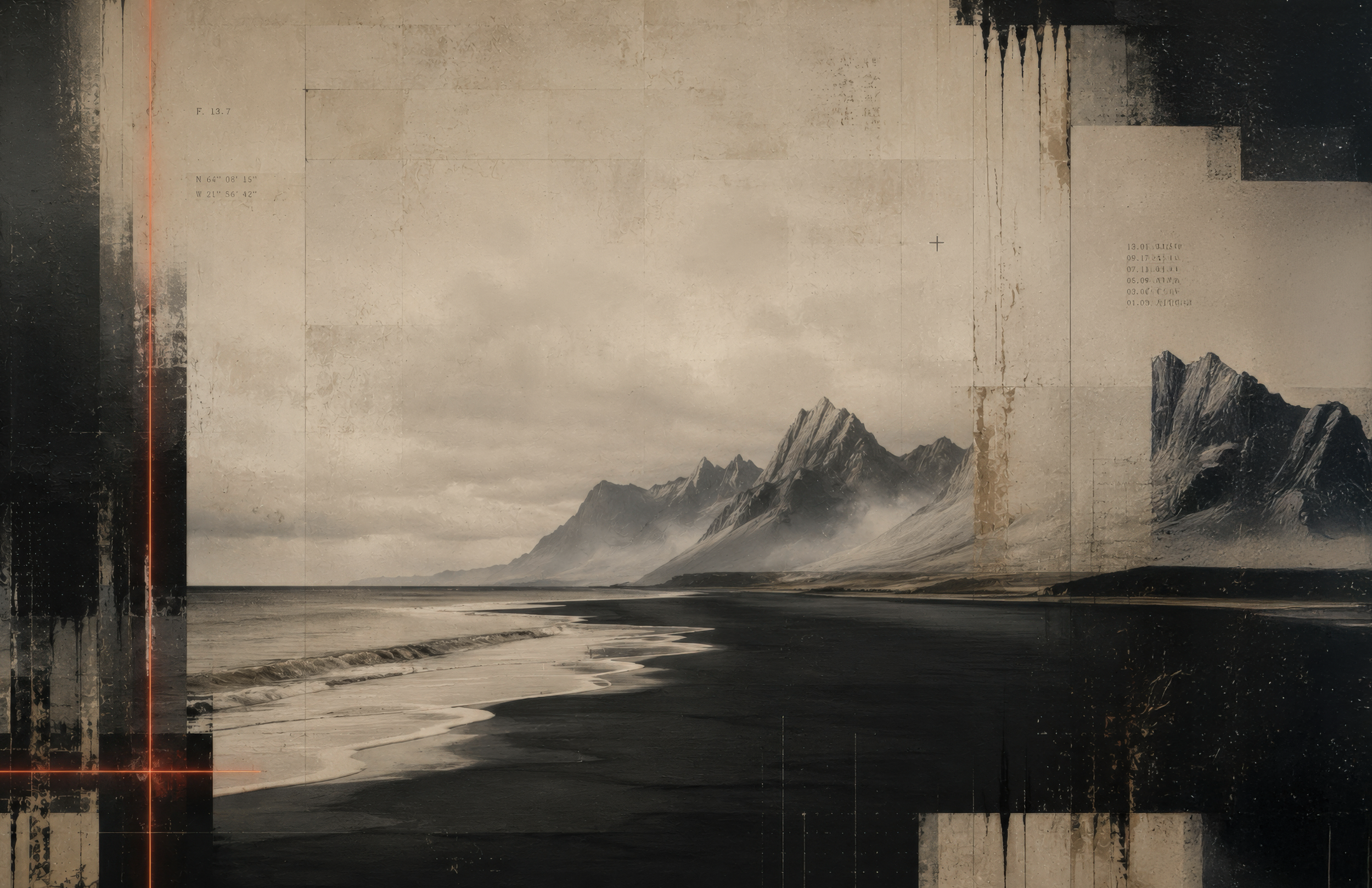
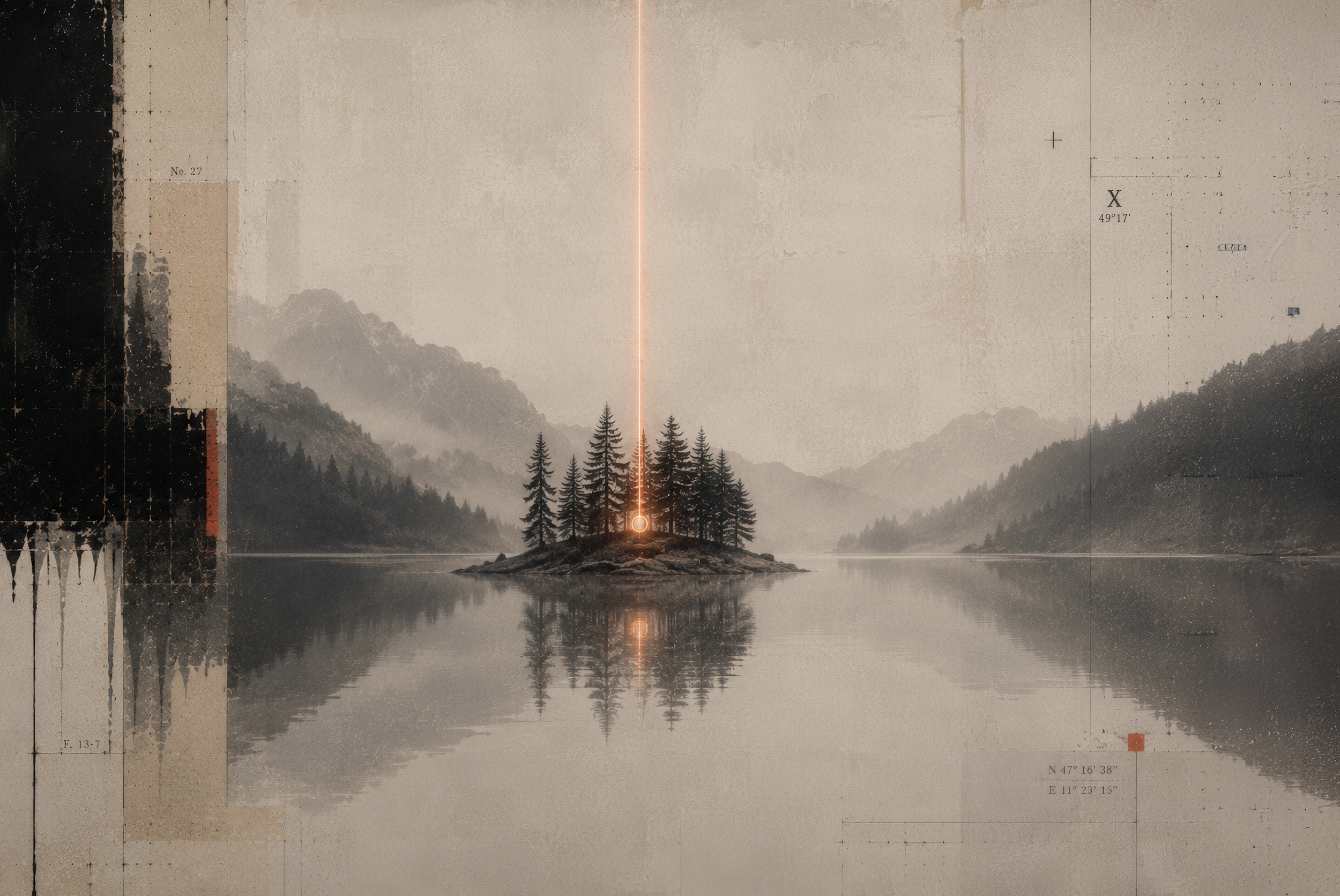
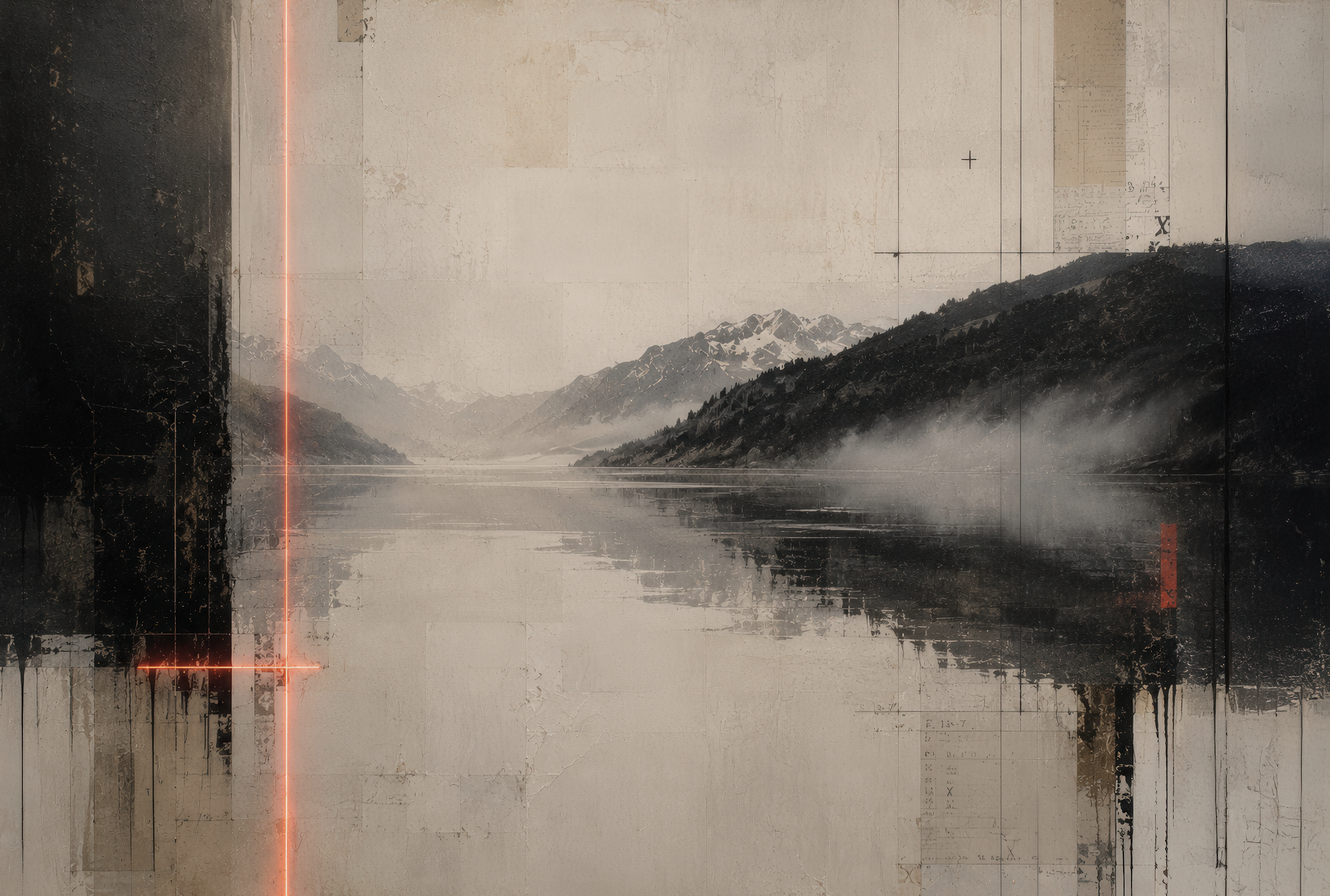
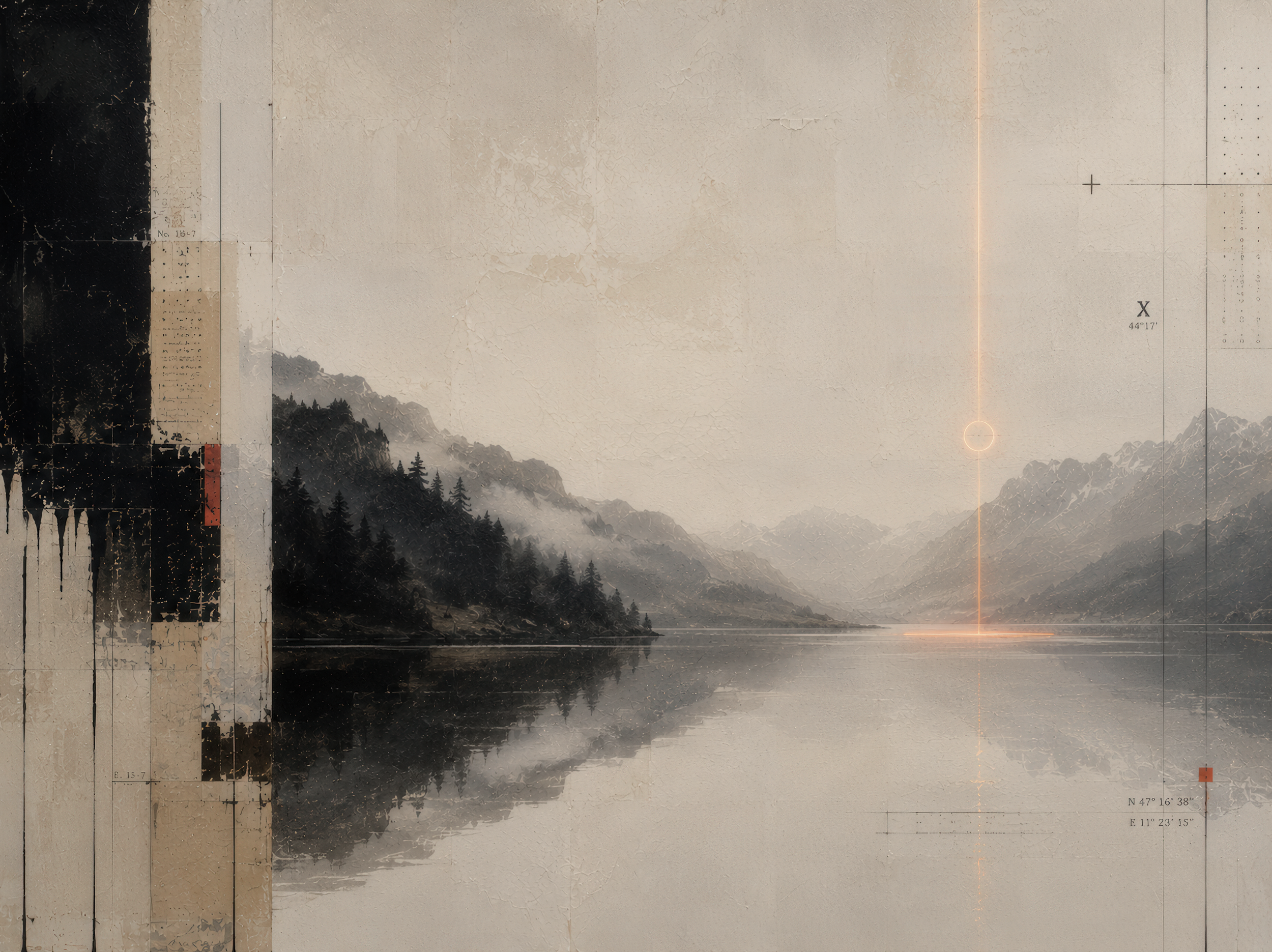
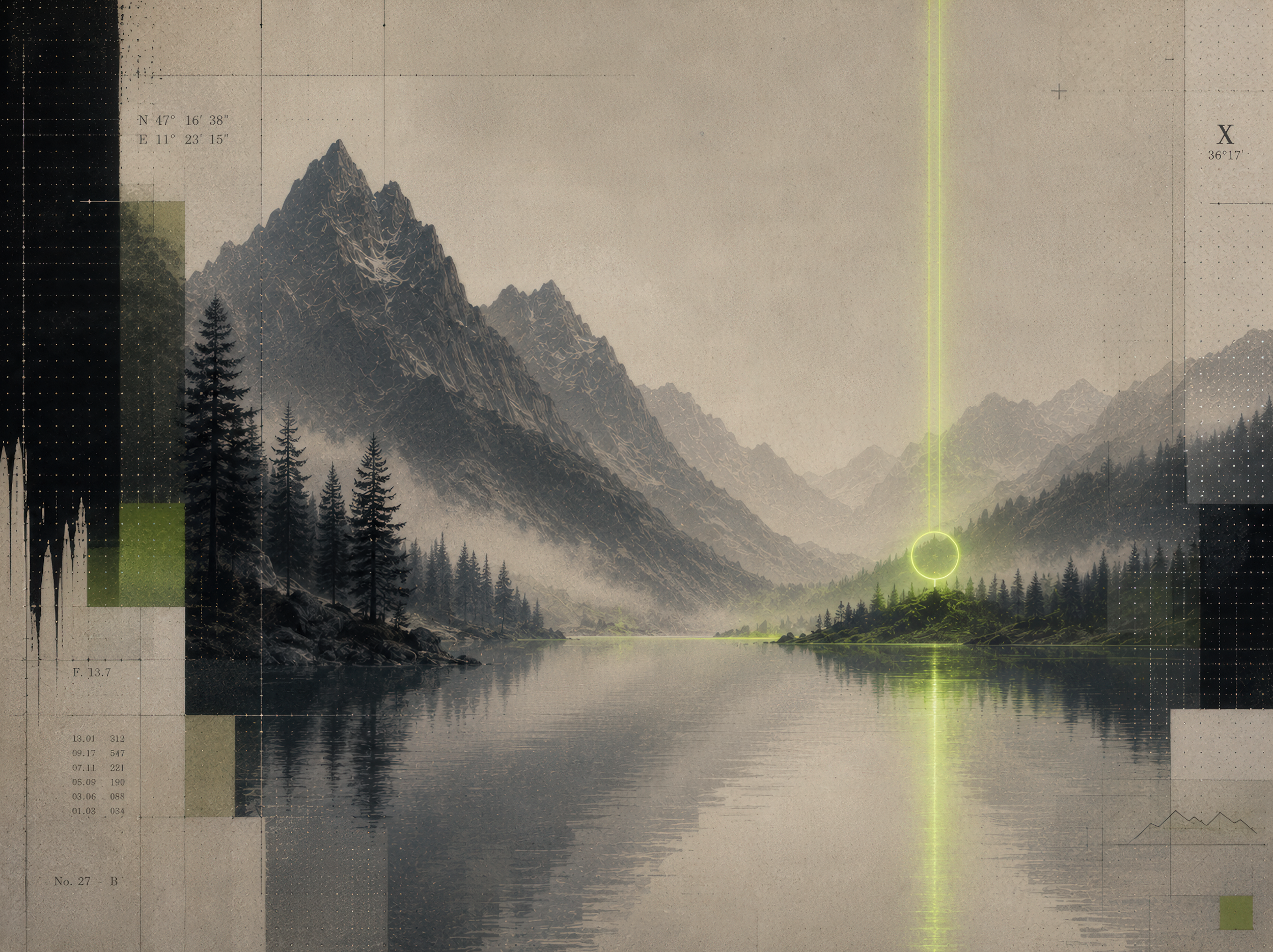
Inspired by journeys through Scotland and Iceland, this series views landscape not merely as a depiction of place, but as a vessel for memory, atmosphere, and emotion.
Nordic coastlines, lakes, and mountain ranges merge with traces of cartography, surveying, and subtle digital signals. References to paper, pigment, and weathered surfaces are combined with delicate light markings that appear like relics of an unknown mapping process.
The works exist between nature and technology, between memory and the present moment. Rather than portraying specific locations, they evoke the spirit of the North, its mist, vastness, silence, and the traces that travel leaves within us.
Each piece can be understood as a mapped memory: a place suspended between reality and imagination.
JOSEPH
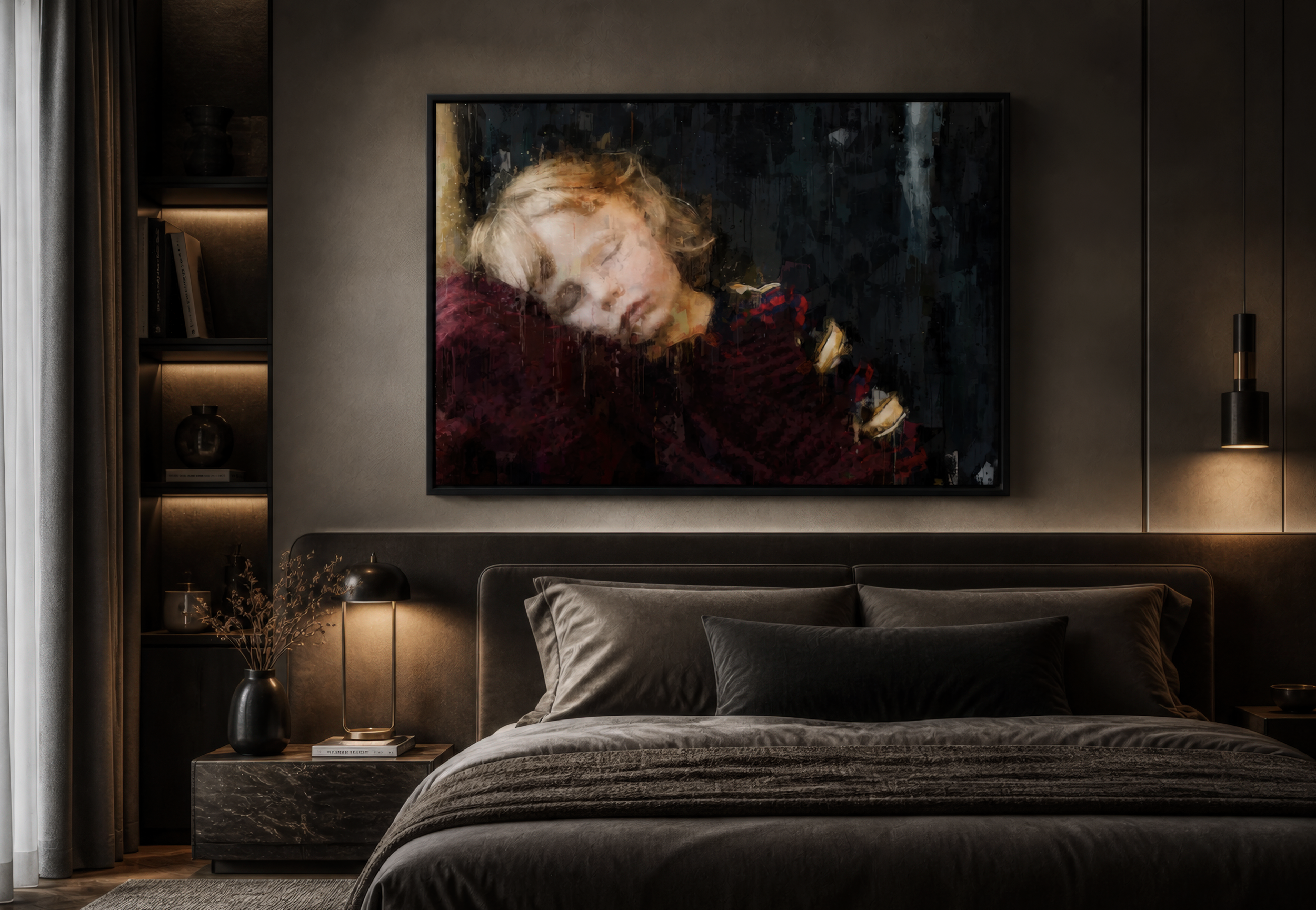
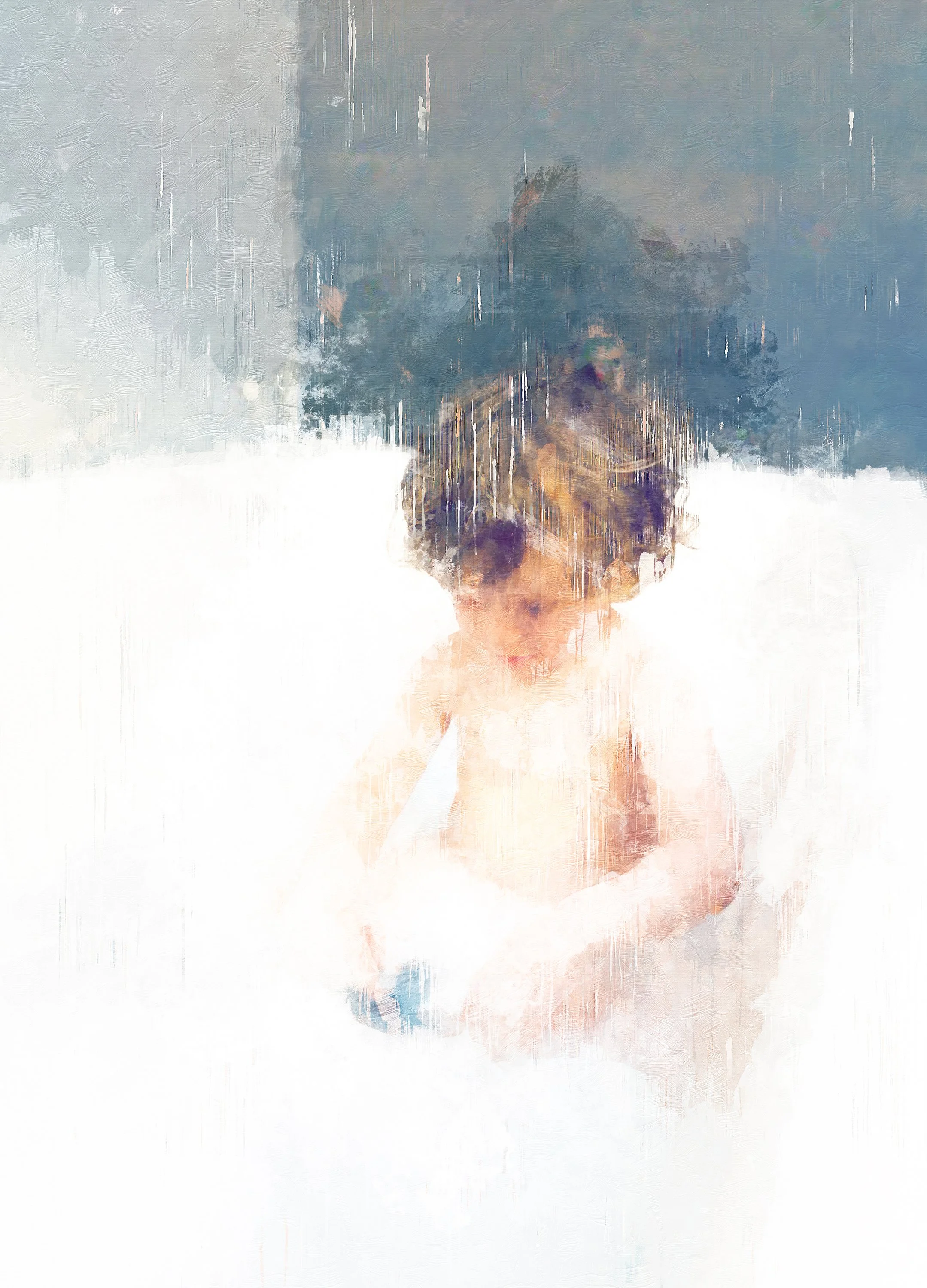
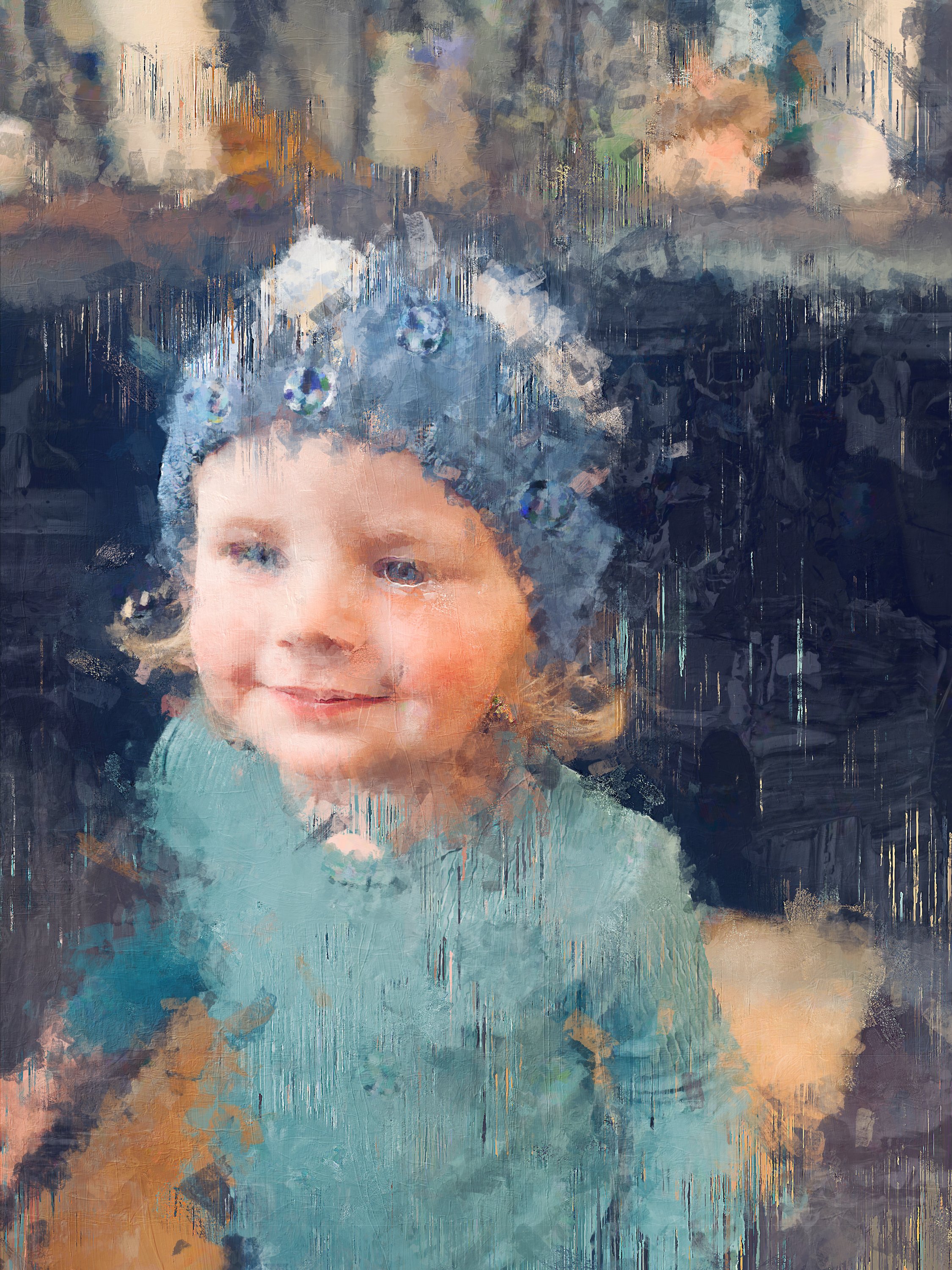
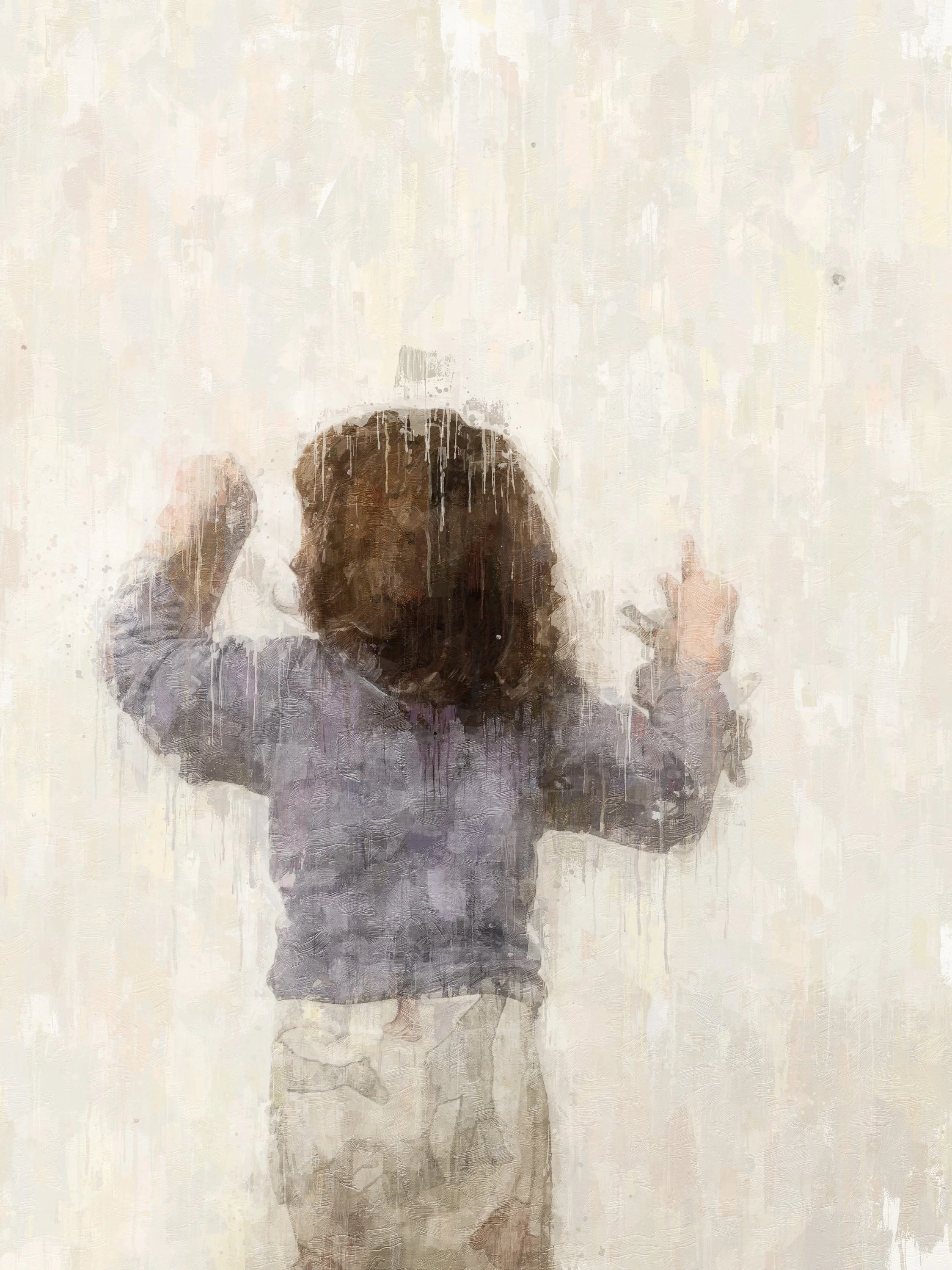
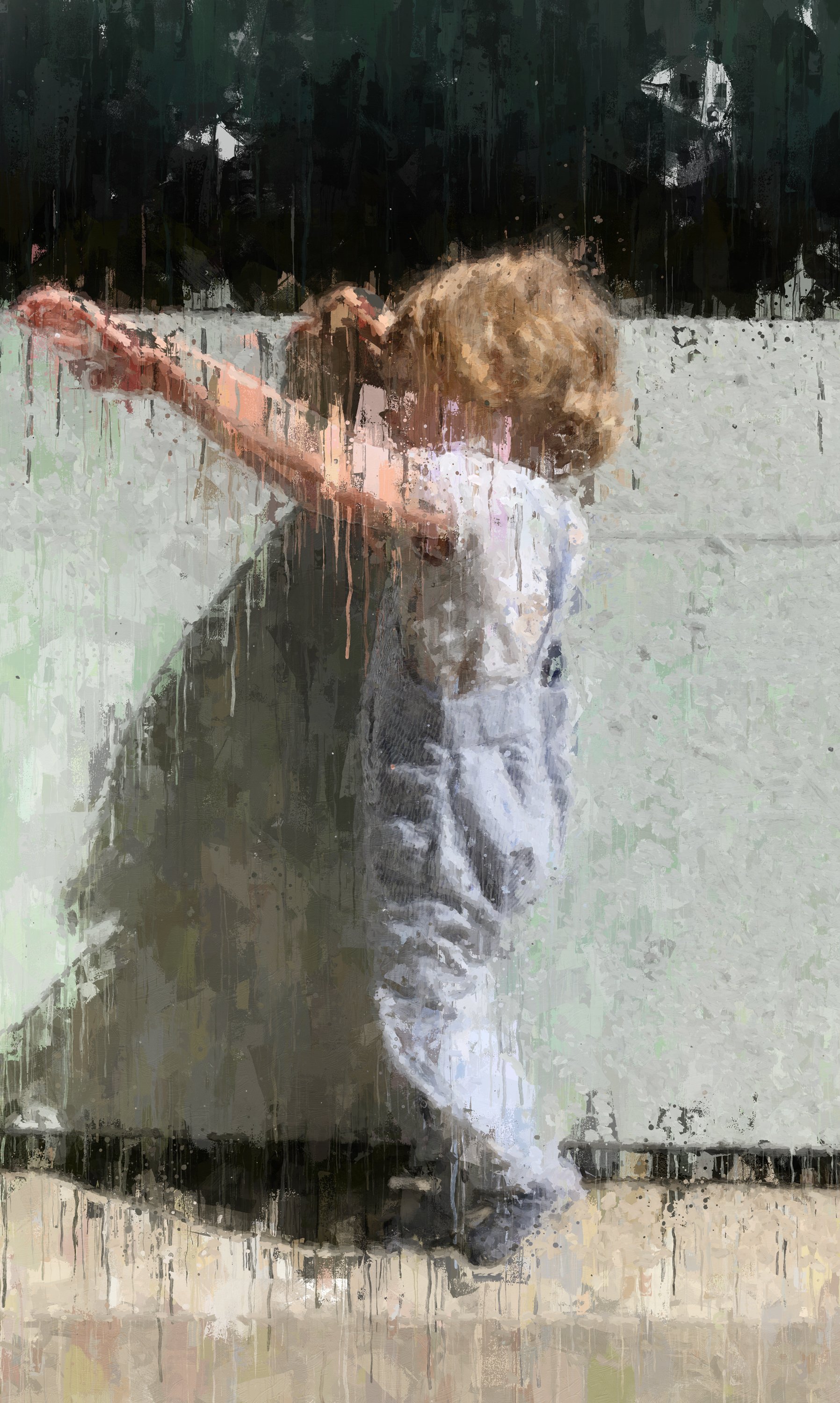
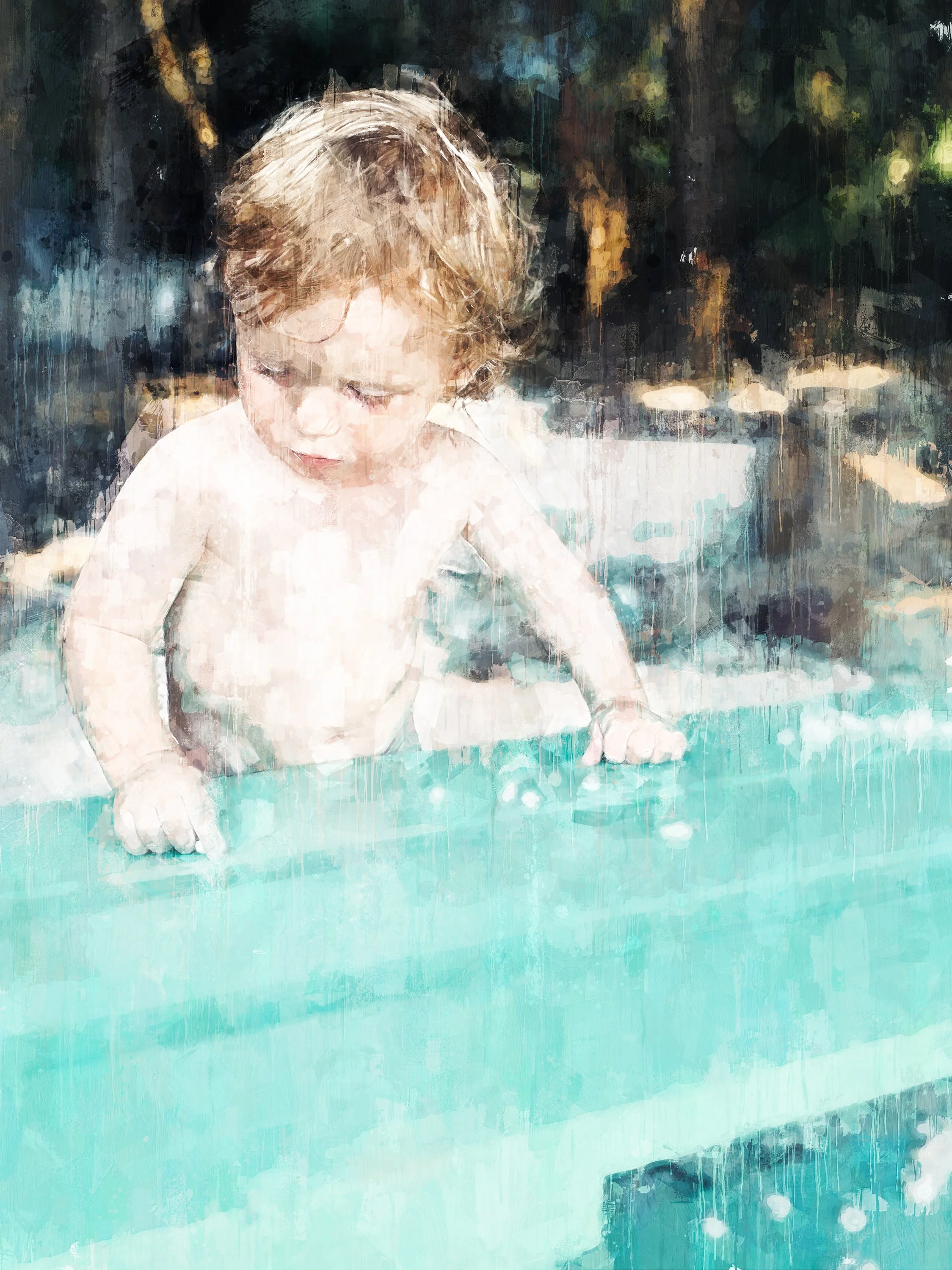
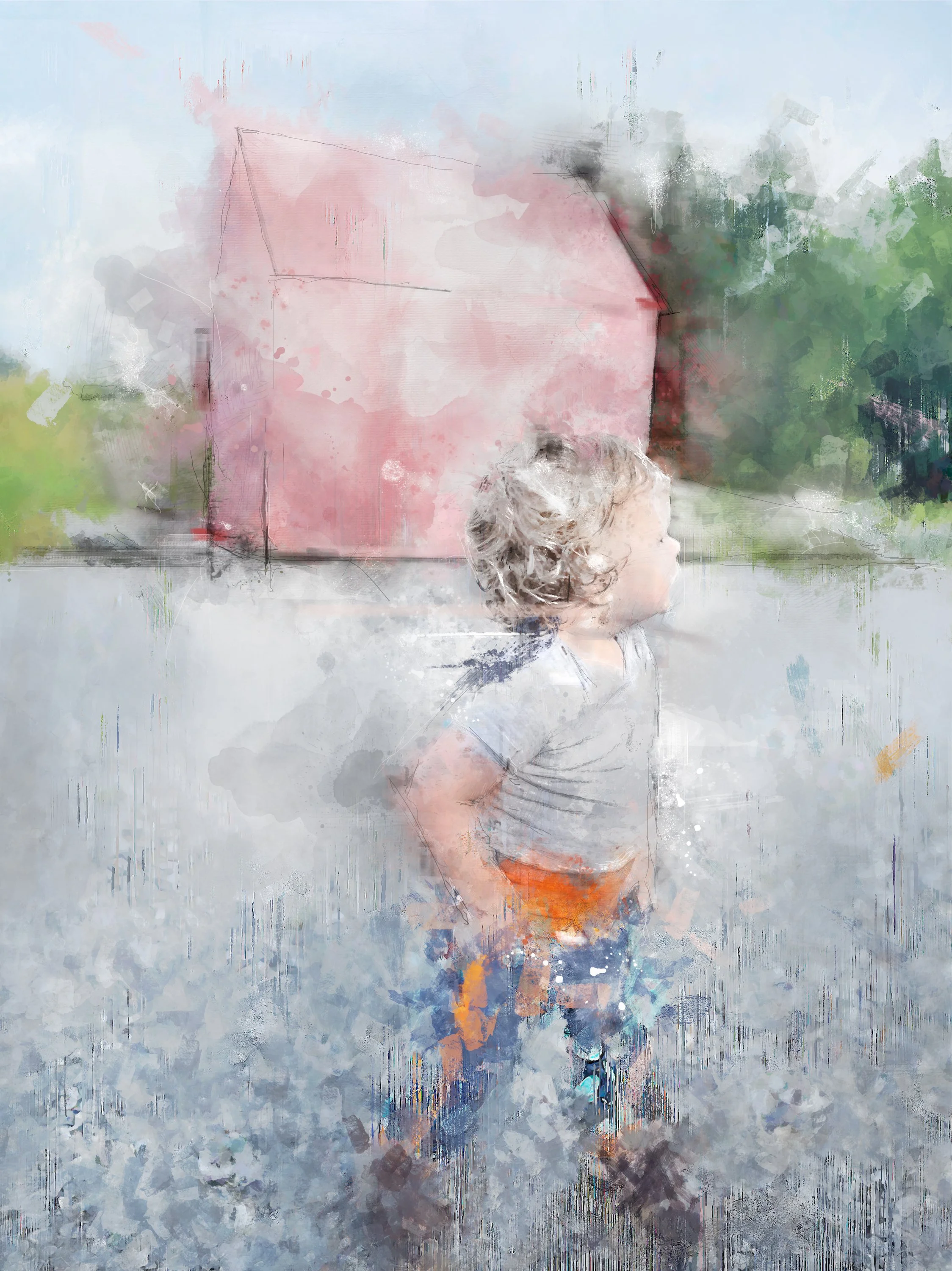
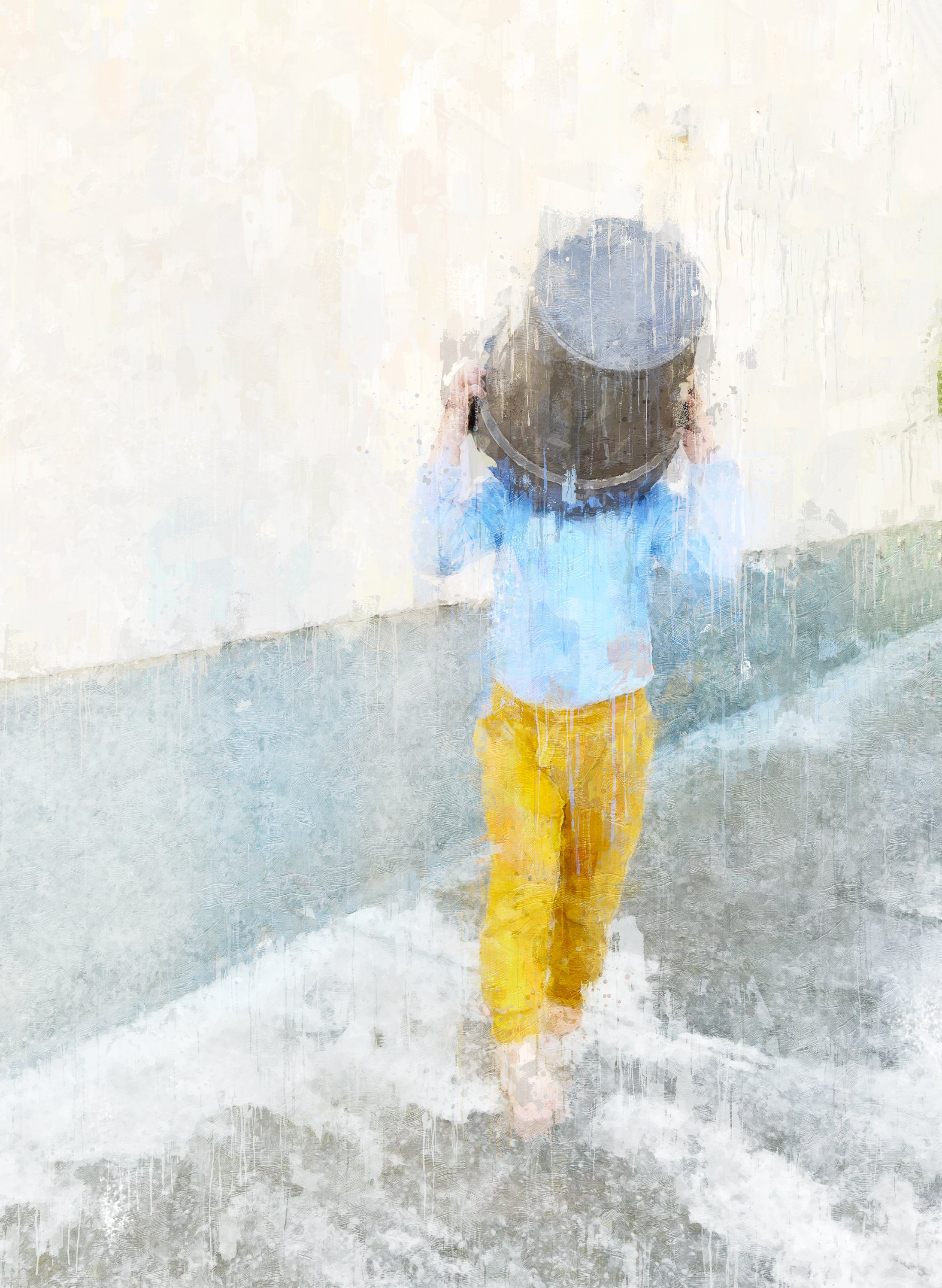
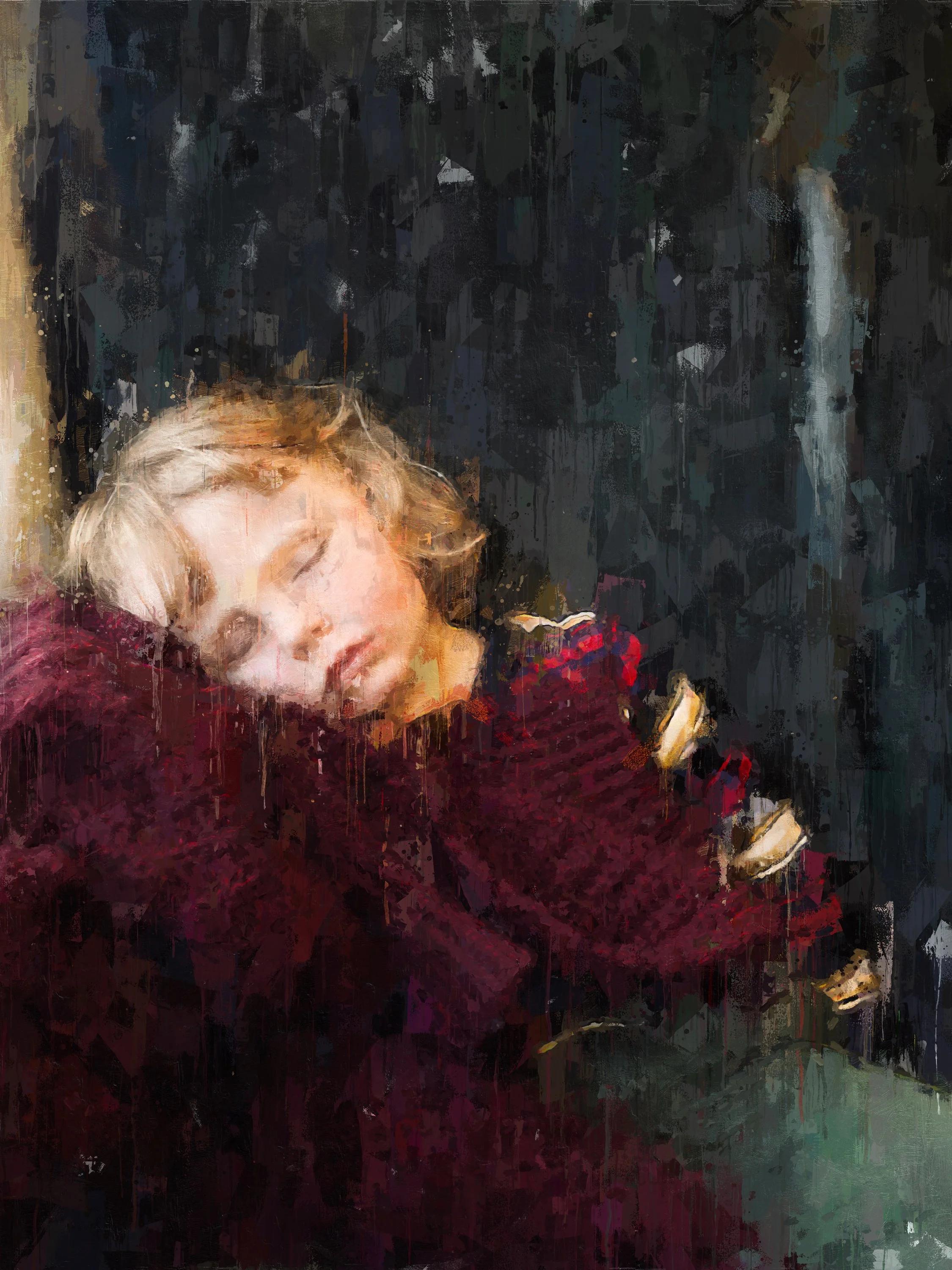
The Greatest Piece of Life
My greatest work has no frame.
It is not painted, not constructed – it has grown: my son Joseph.
He is my strongest inspiration, my inner compass, and the driving force behind everything I create.
Over the past years, a collection has emerged that was born exactly from this energy.
I have developed my own digital technique – a symbiosis of code, intuition, and visual language – that transforms a fleeting moment into a lasting piece of art.
A simple photograph becomes the starting point for something deeper:
for emotion, memory, and meaning.
My works move between digital precision and the human soul.
They speak of transformation – and of the beauty within the moment.
LAYERED
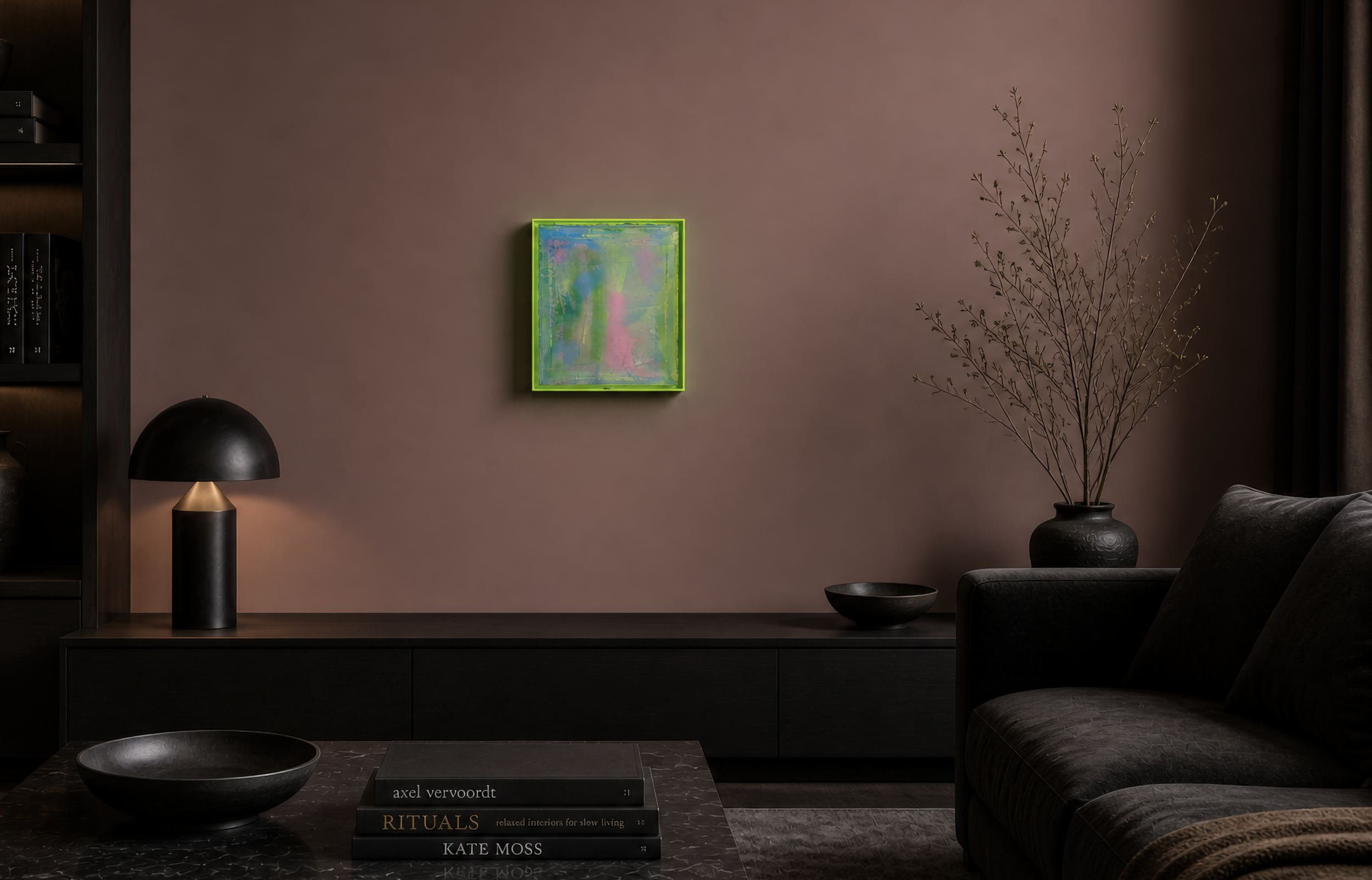
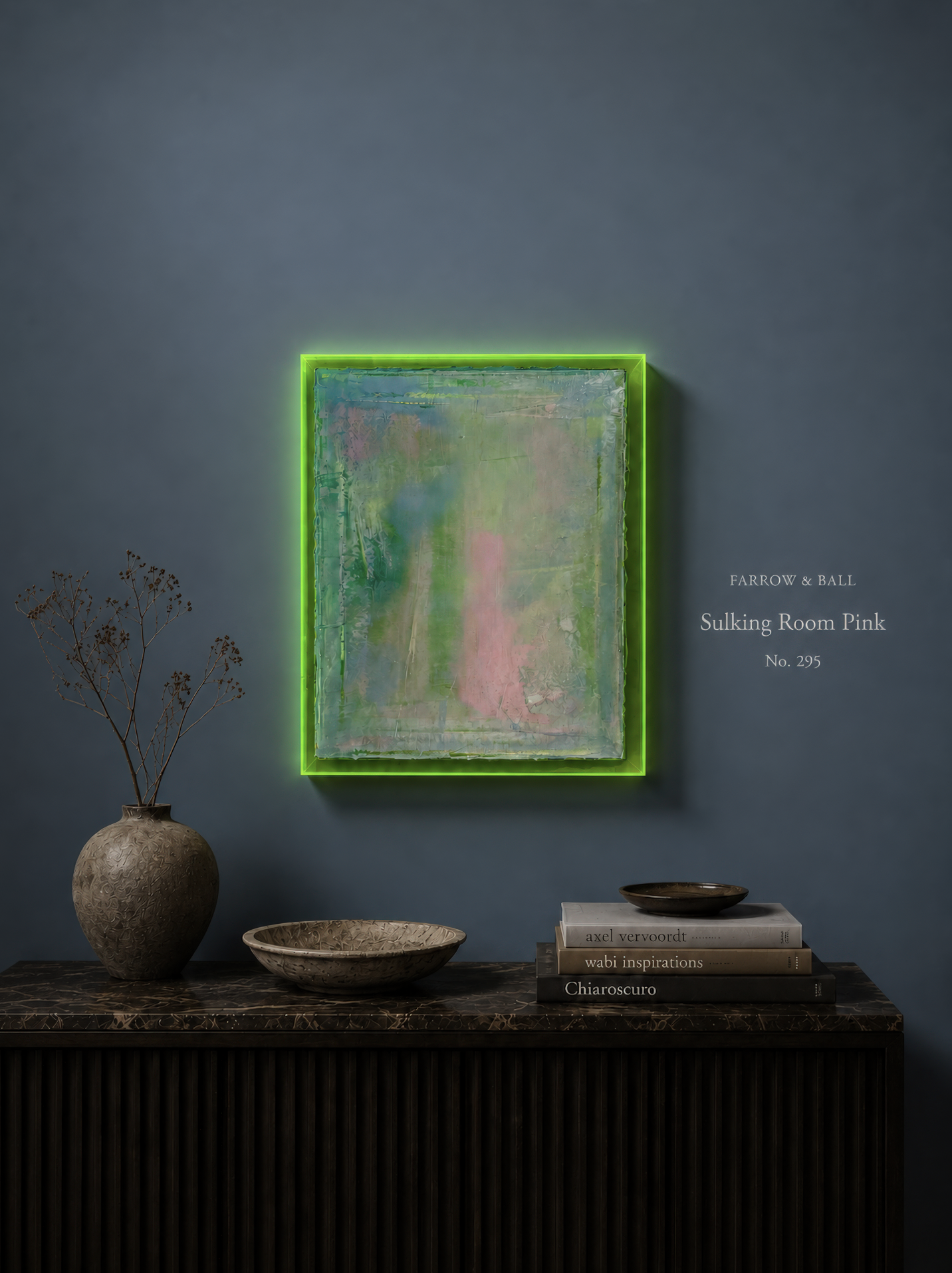
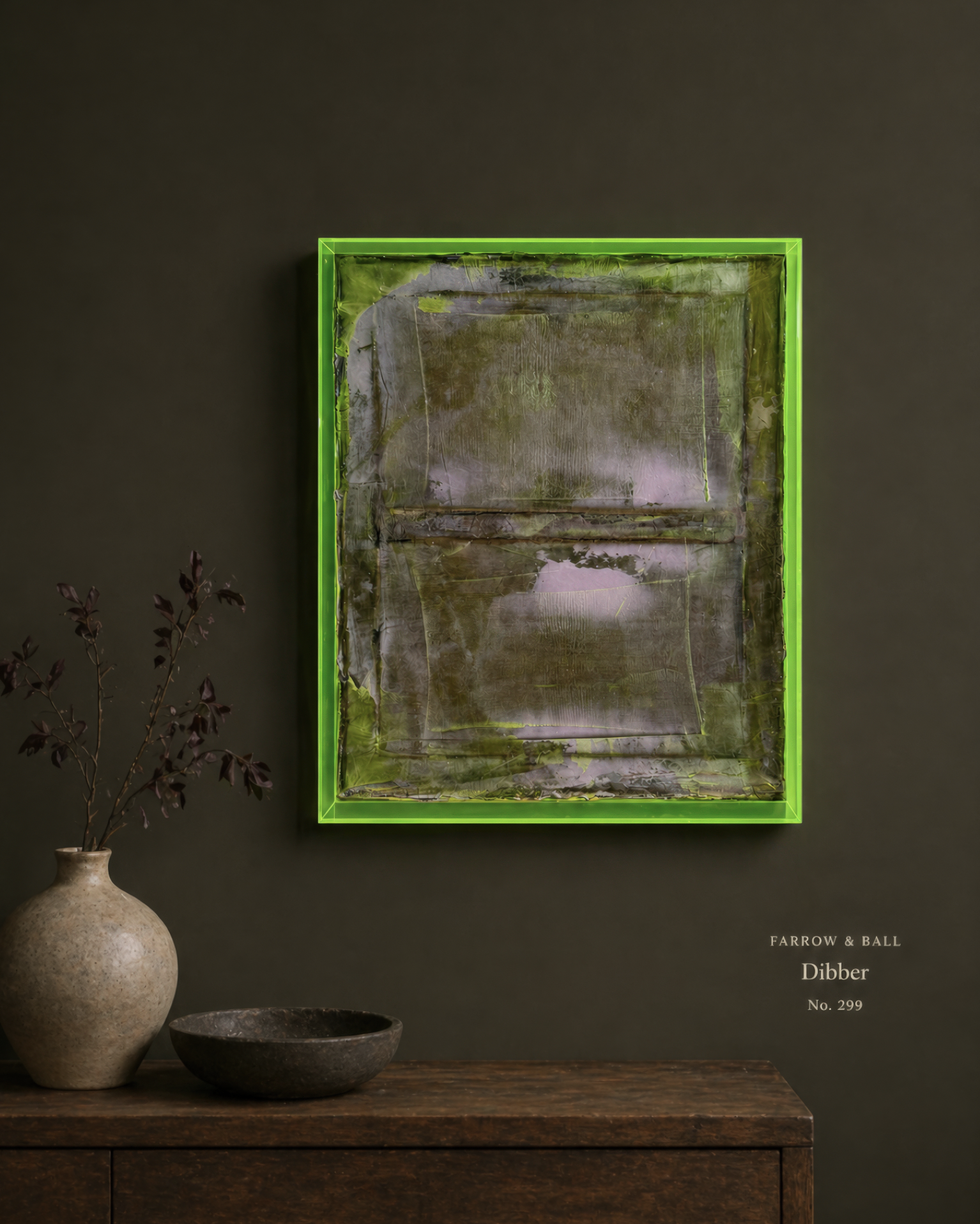
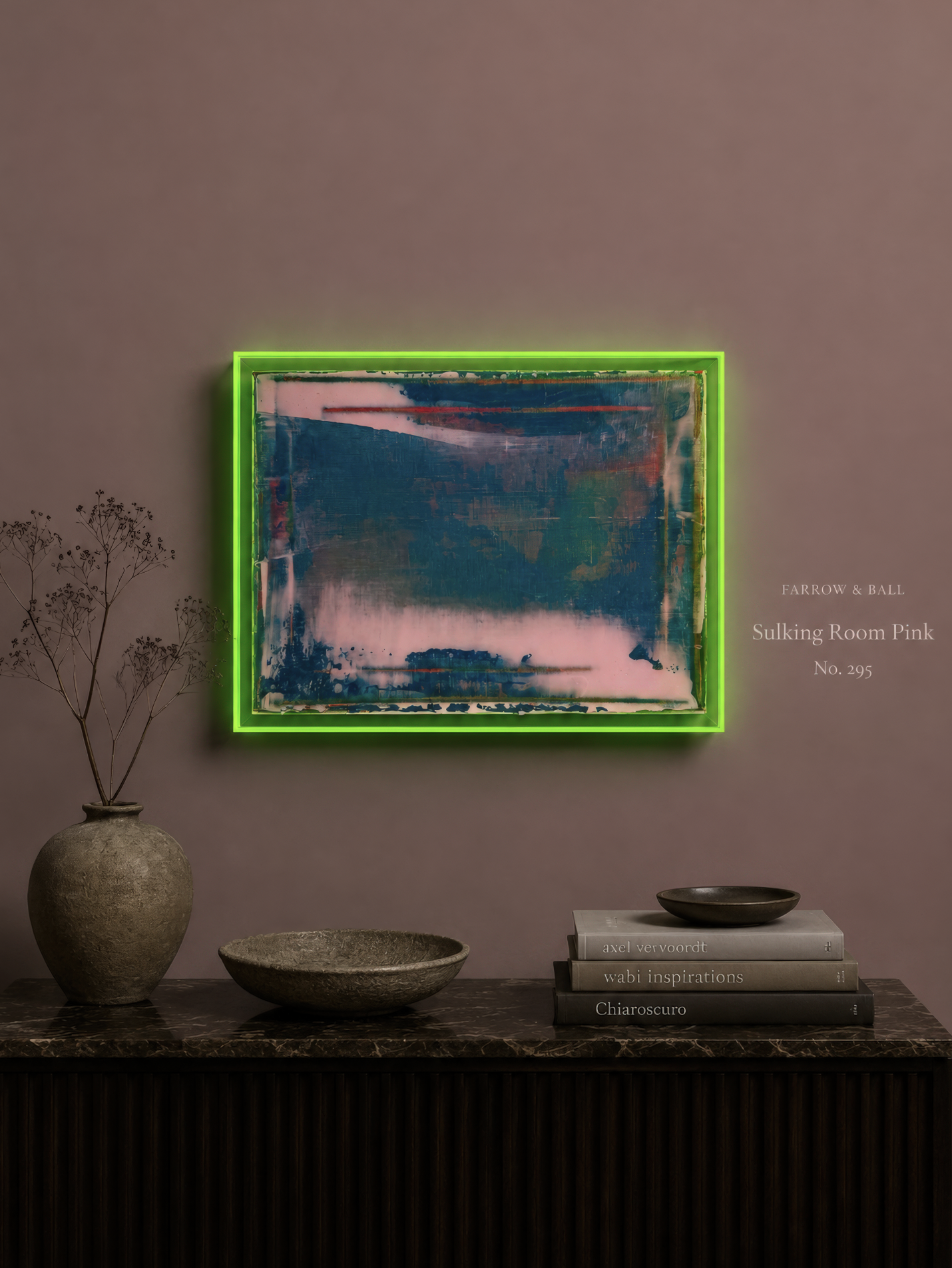
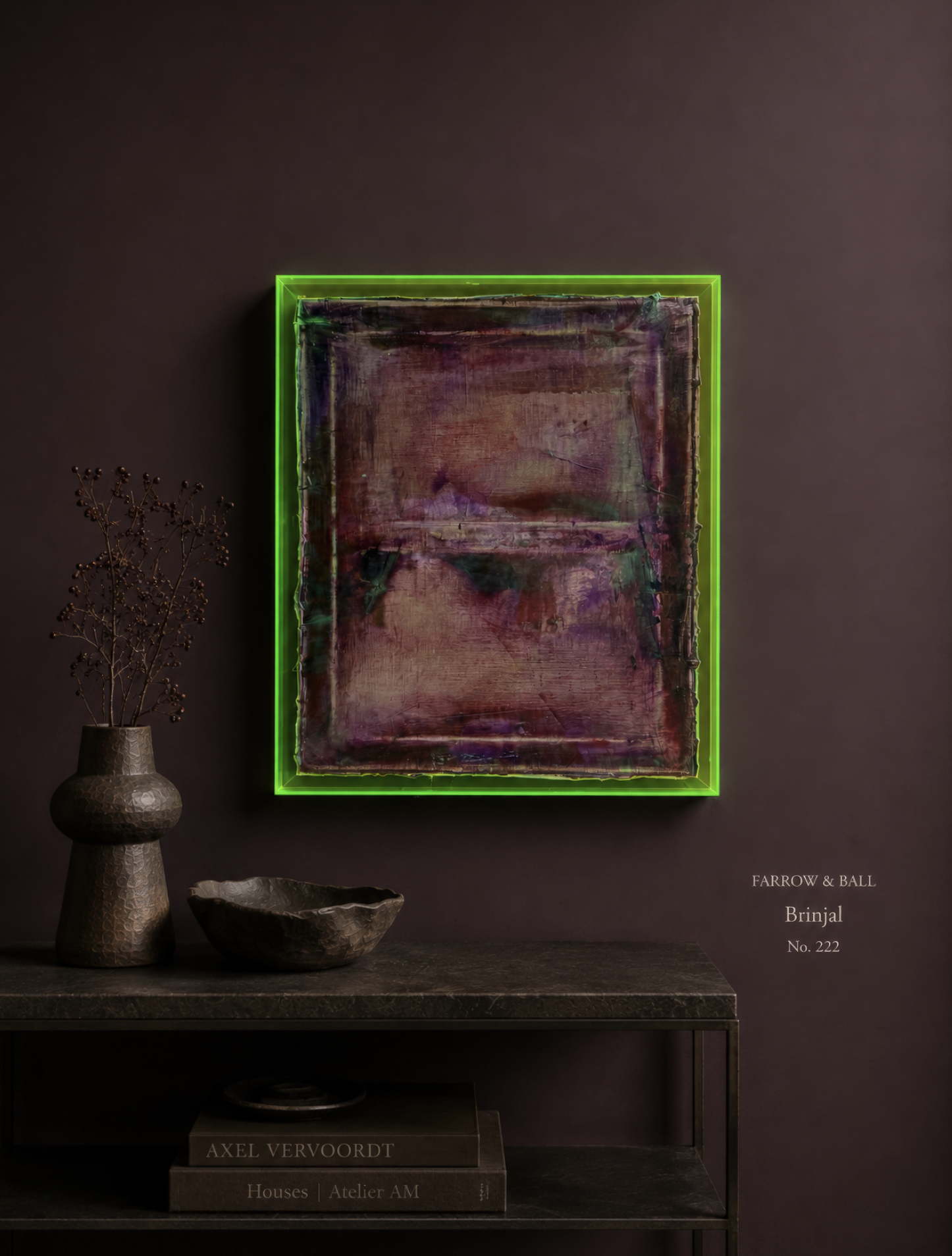
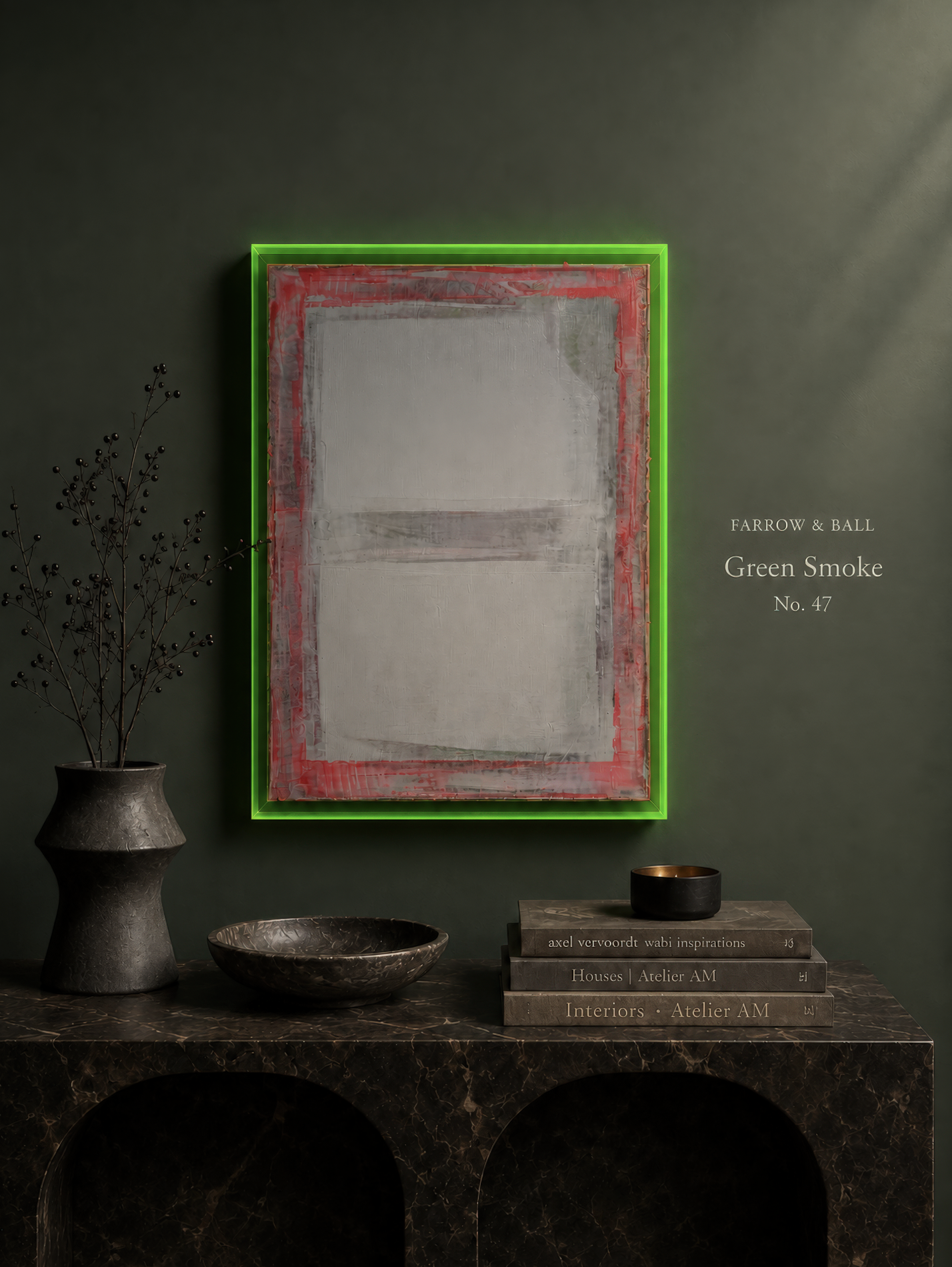
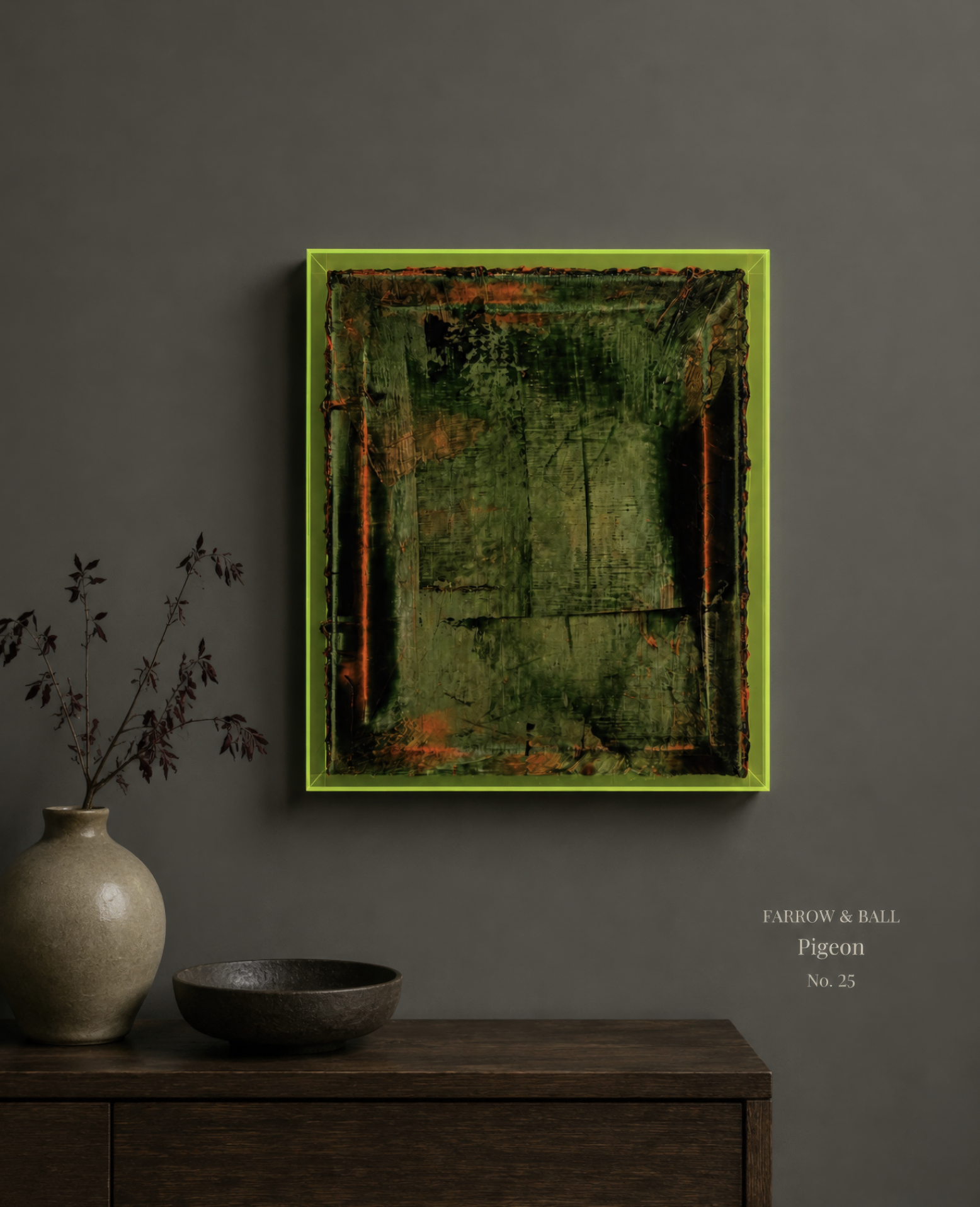
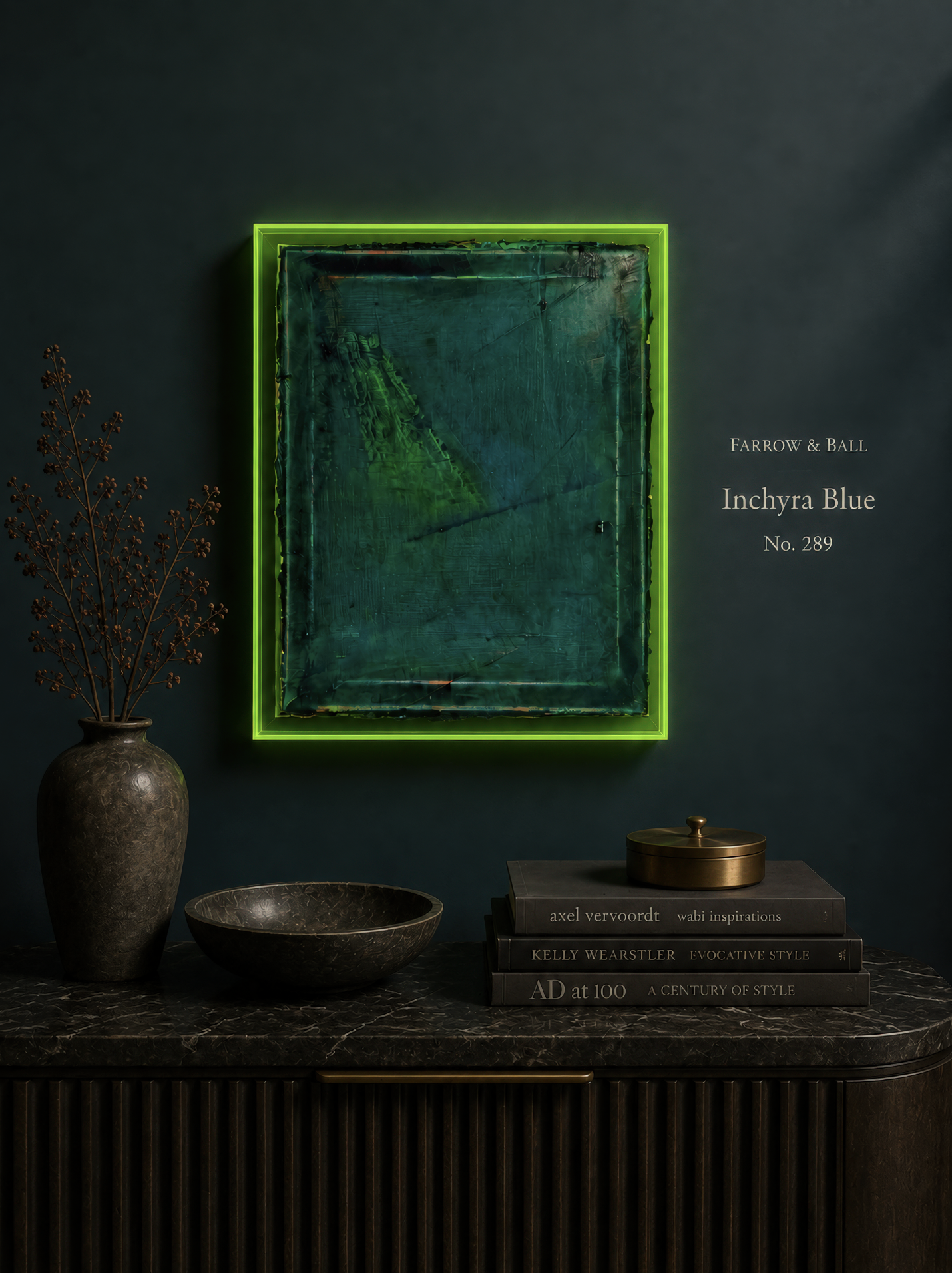
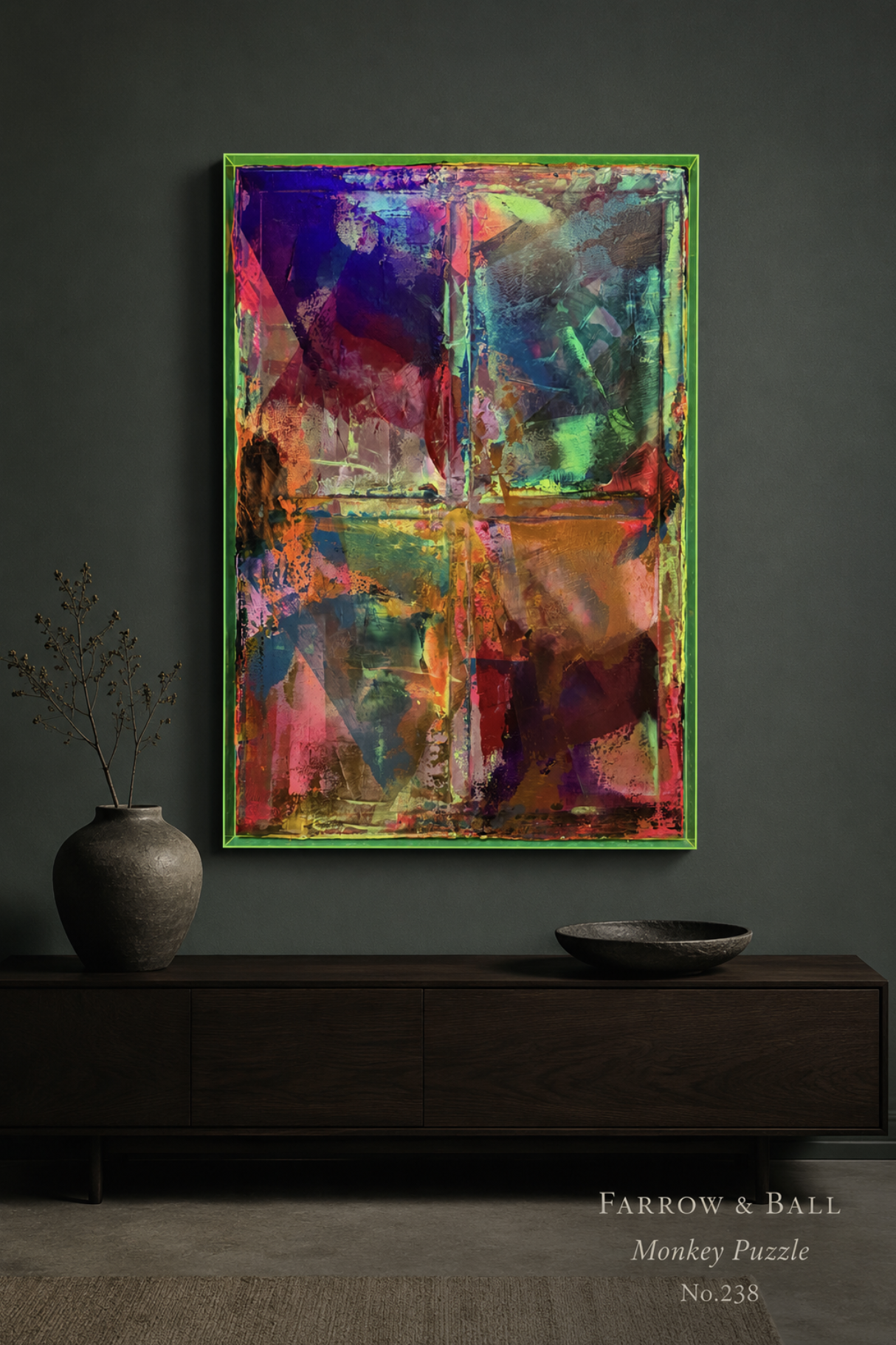
Layered
Layered explores the effect of depth through material, light, and process.
Each piece is created through a complex construction of up to 30 layers. Different materials are built up, partially removed, and recombined. This results in rich, tactile surfaces that shift depending on the viewer’s perspective and the quality of light.
In their depth and structure, the works sometimes evoke the presence of aged oil paintings. At the same time, they remain distinctly contemporary – reduced, open, and materially present.
A handcrafted fluorescent frame is an integral part of each piece. It reacts to light, absorbs it, and begins to glow. In doing so, the artwork expands into the surrounding space and changes its appearance throughout the day.
Layered merges painting with object-like qualities, creating works that continuously evolve – balancing restraint with intense presence.
LUCENT VEILS
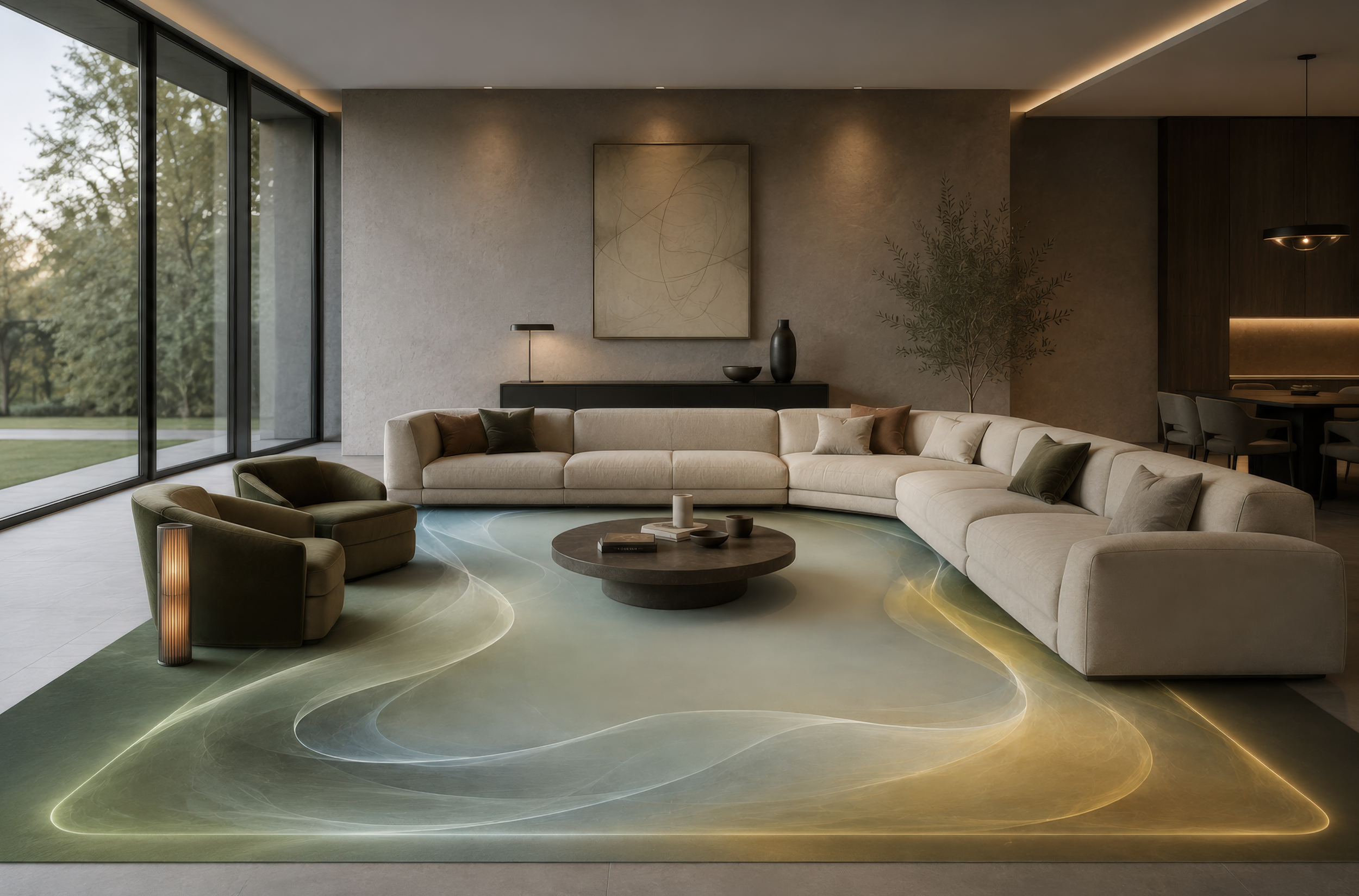
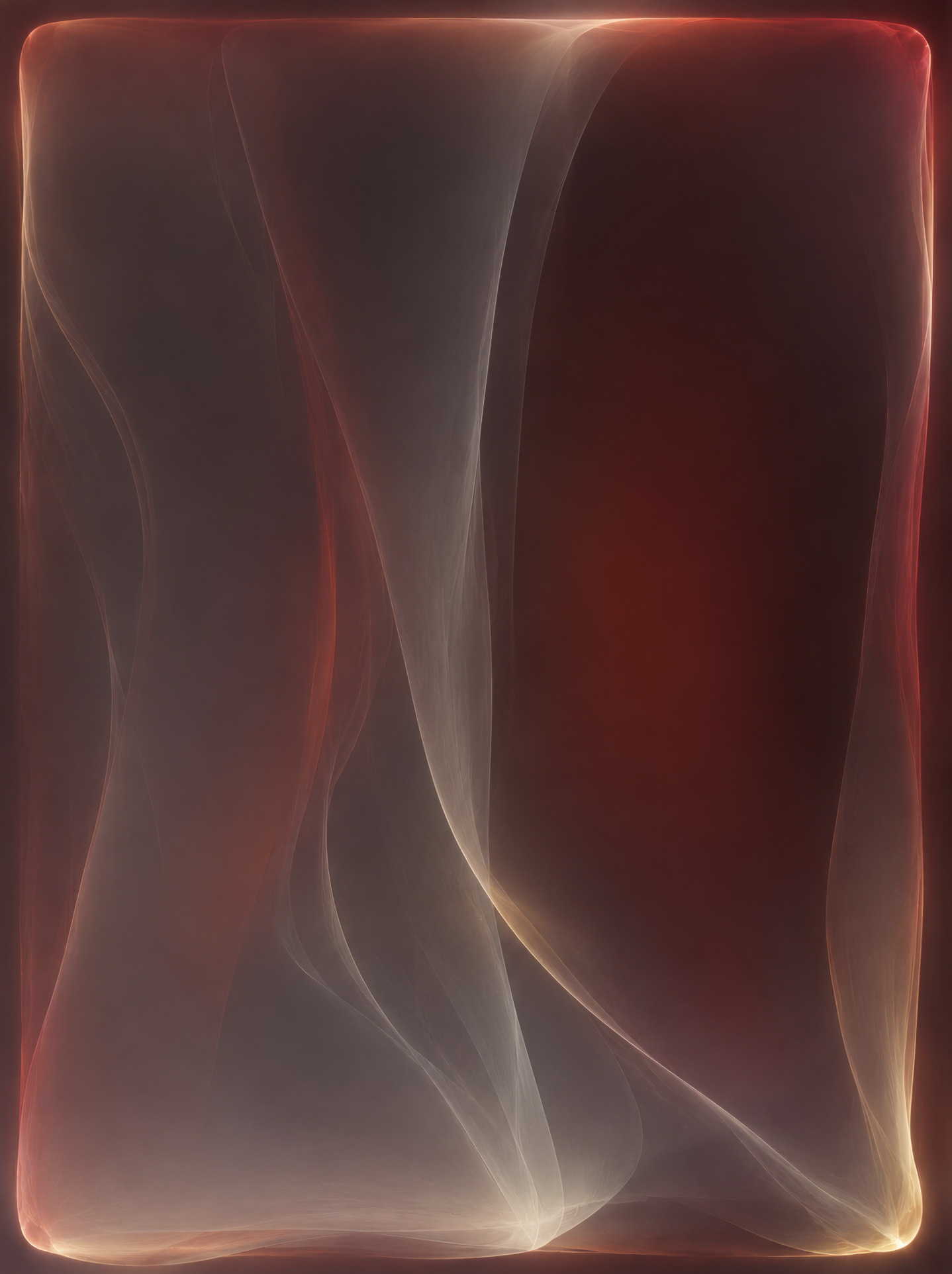
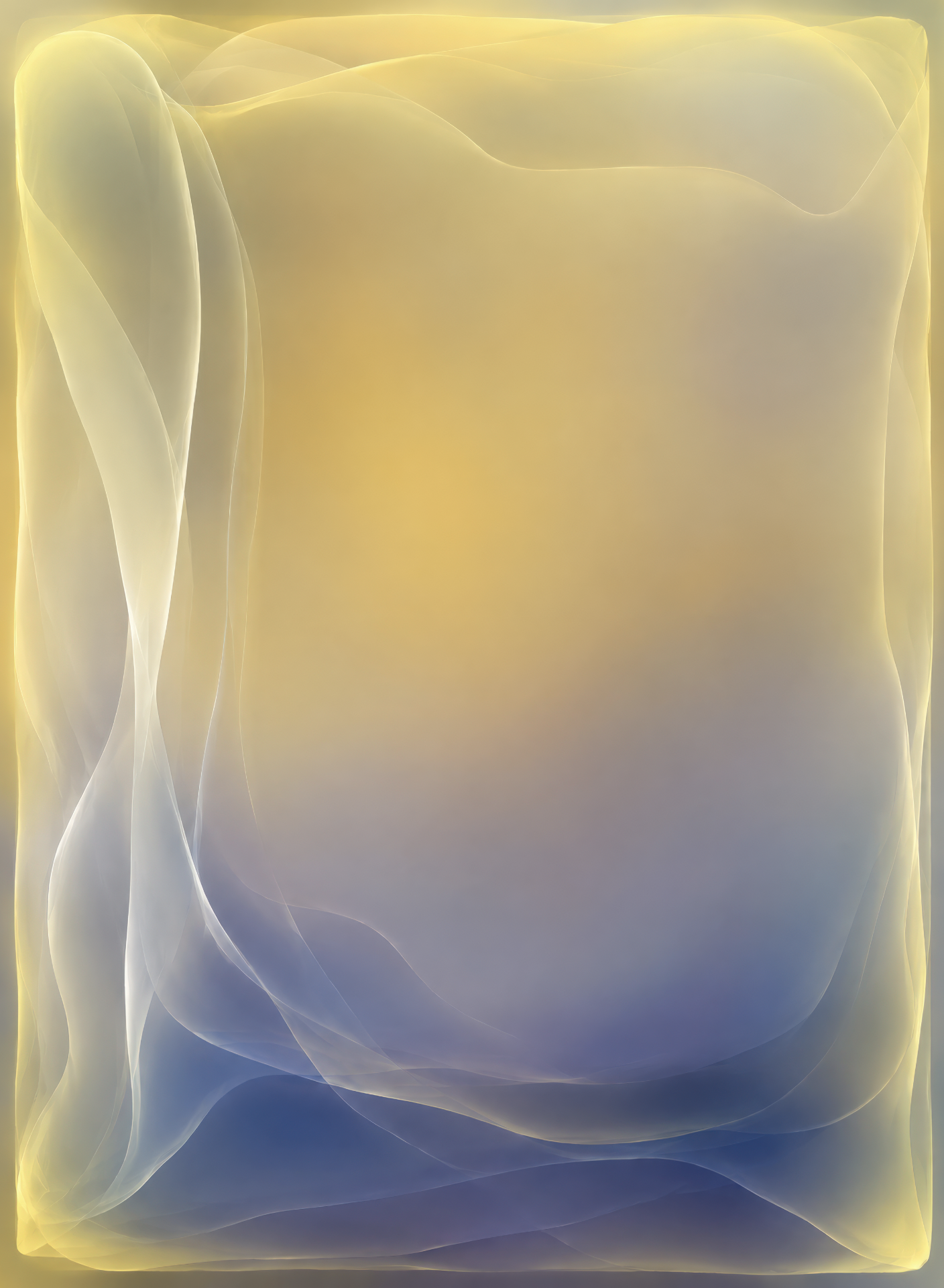
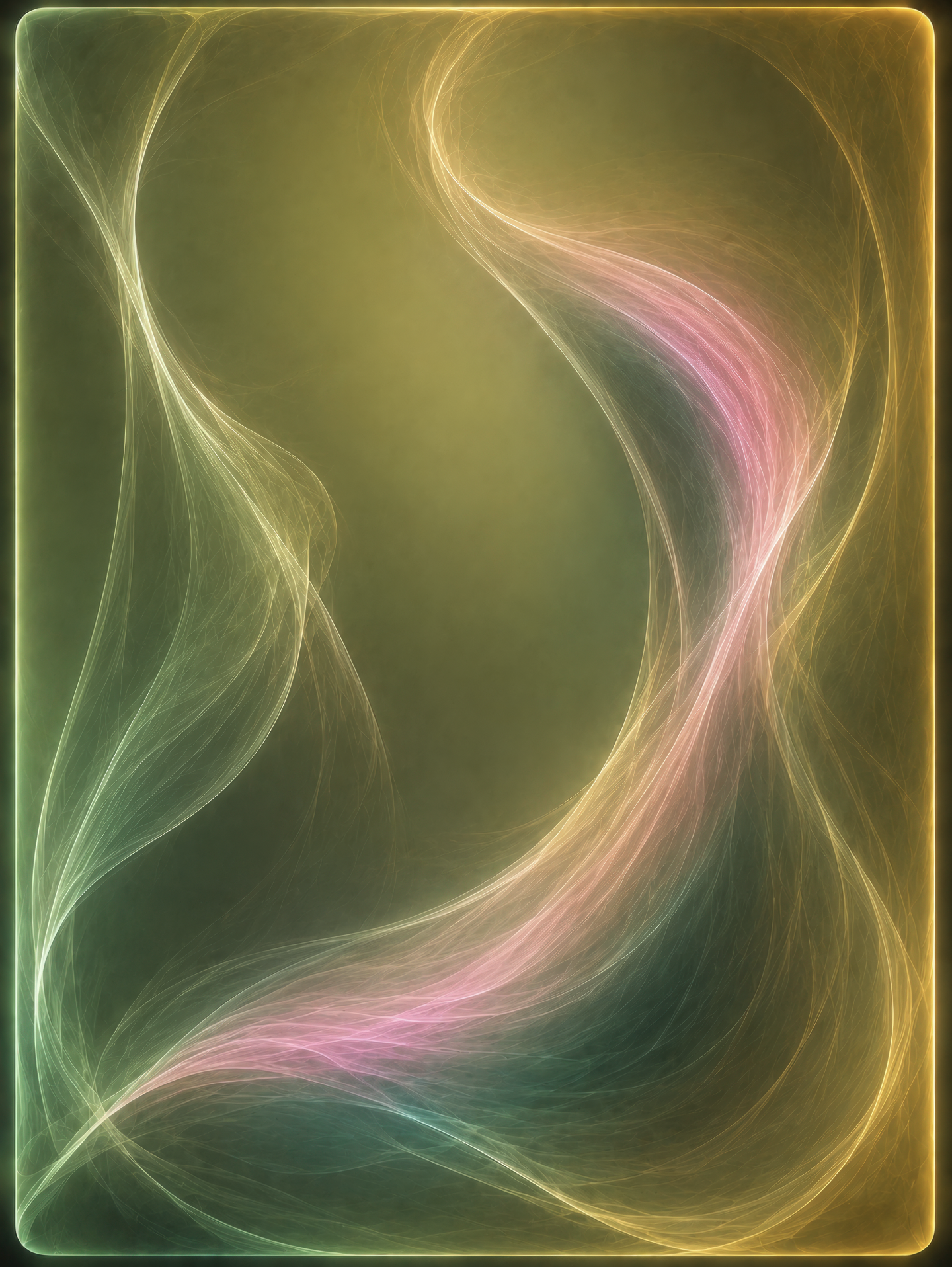
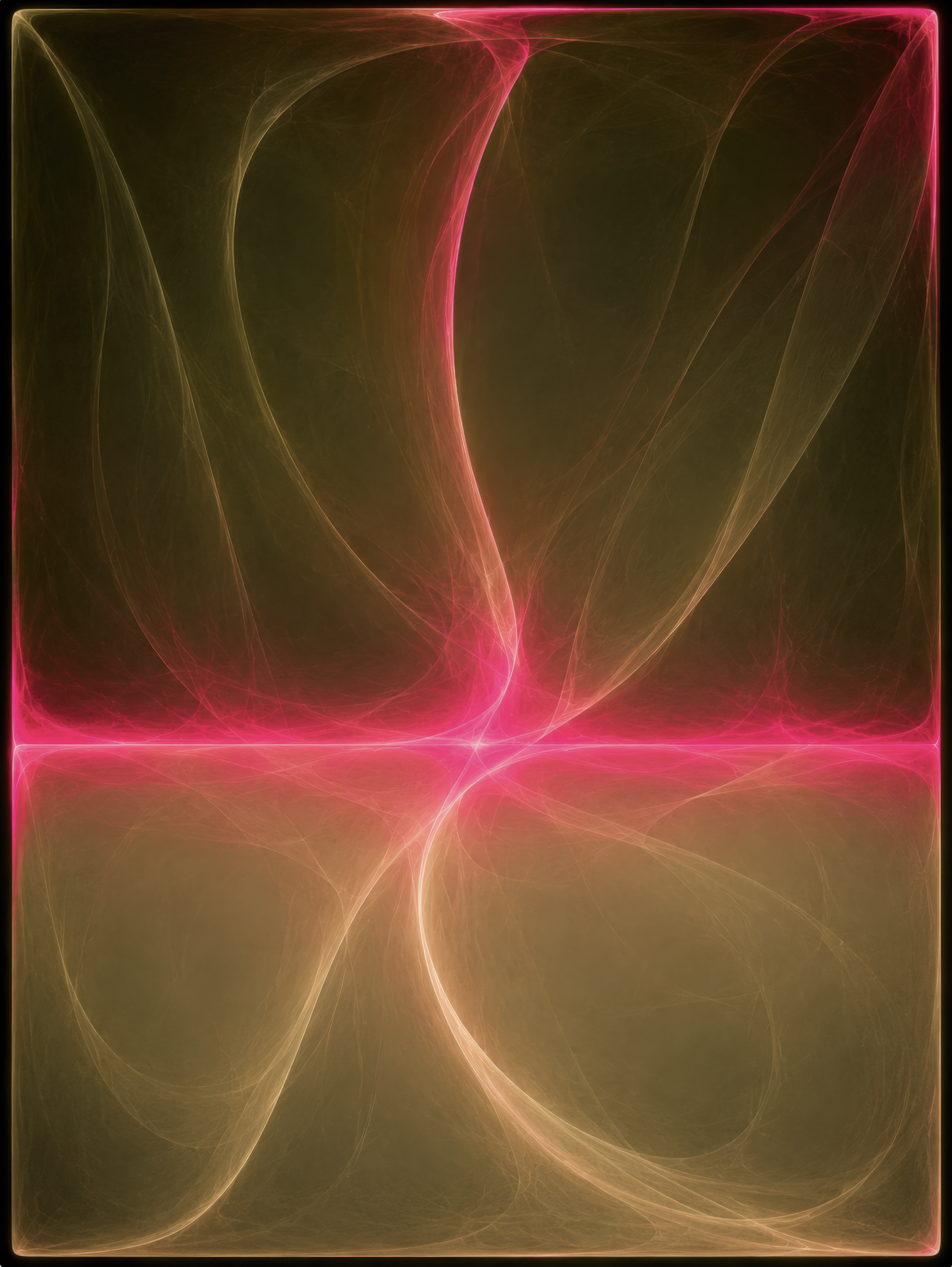
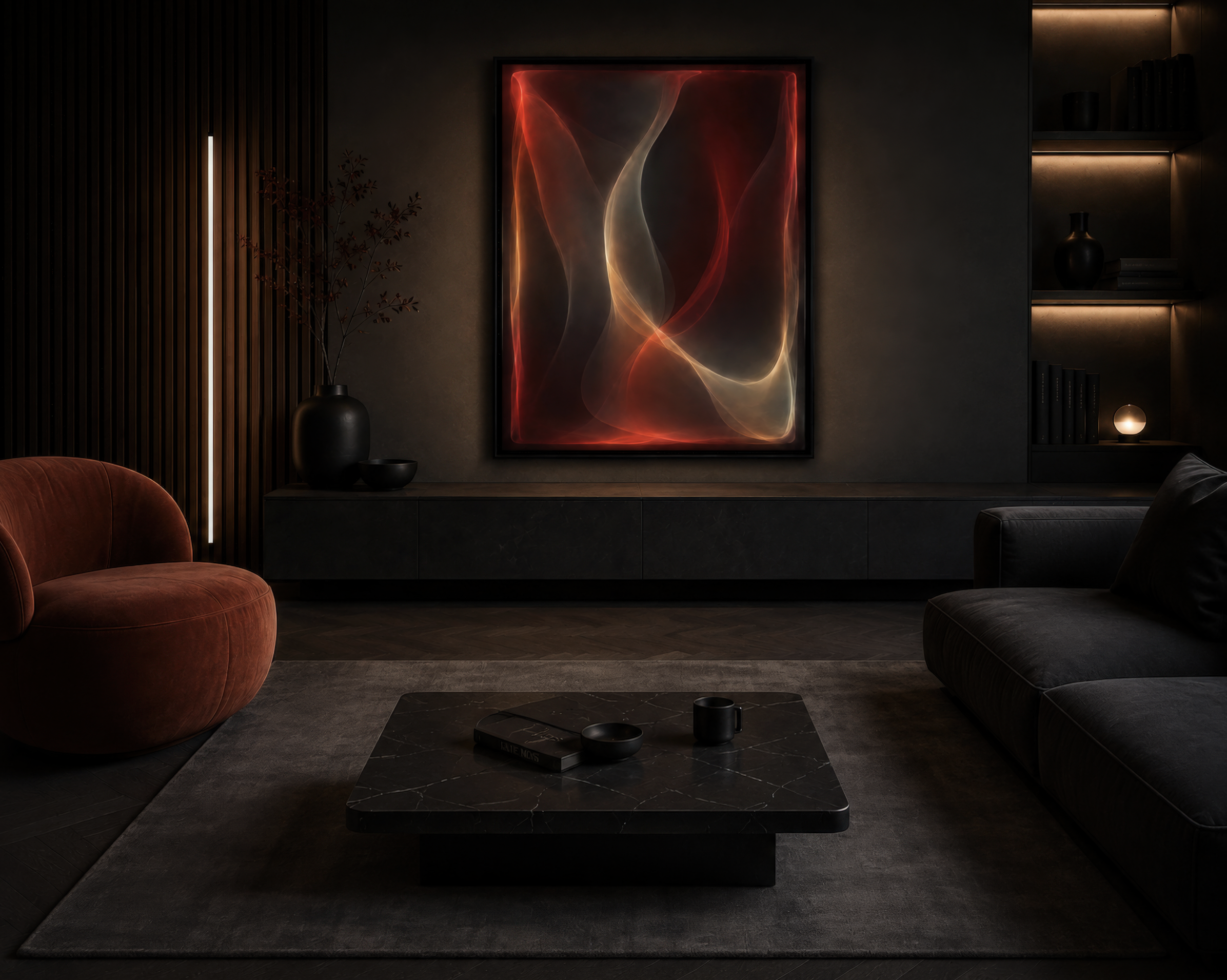
The collection emerged from an experimental digital process.
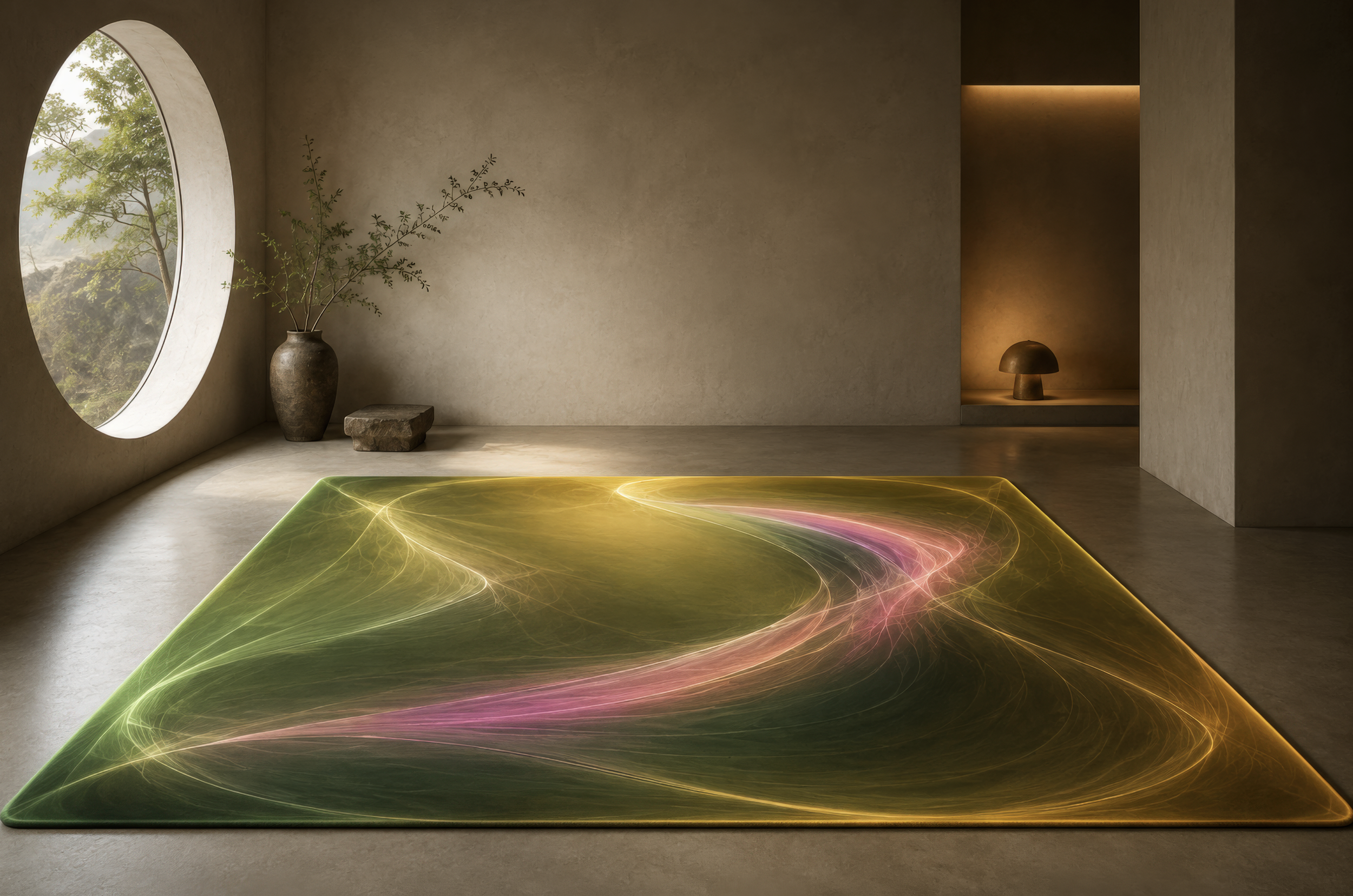
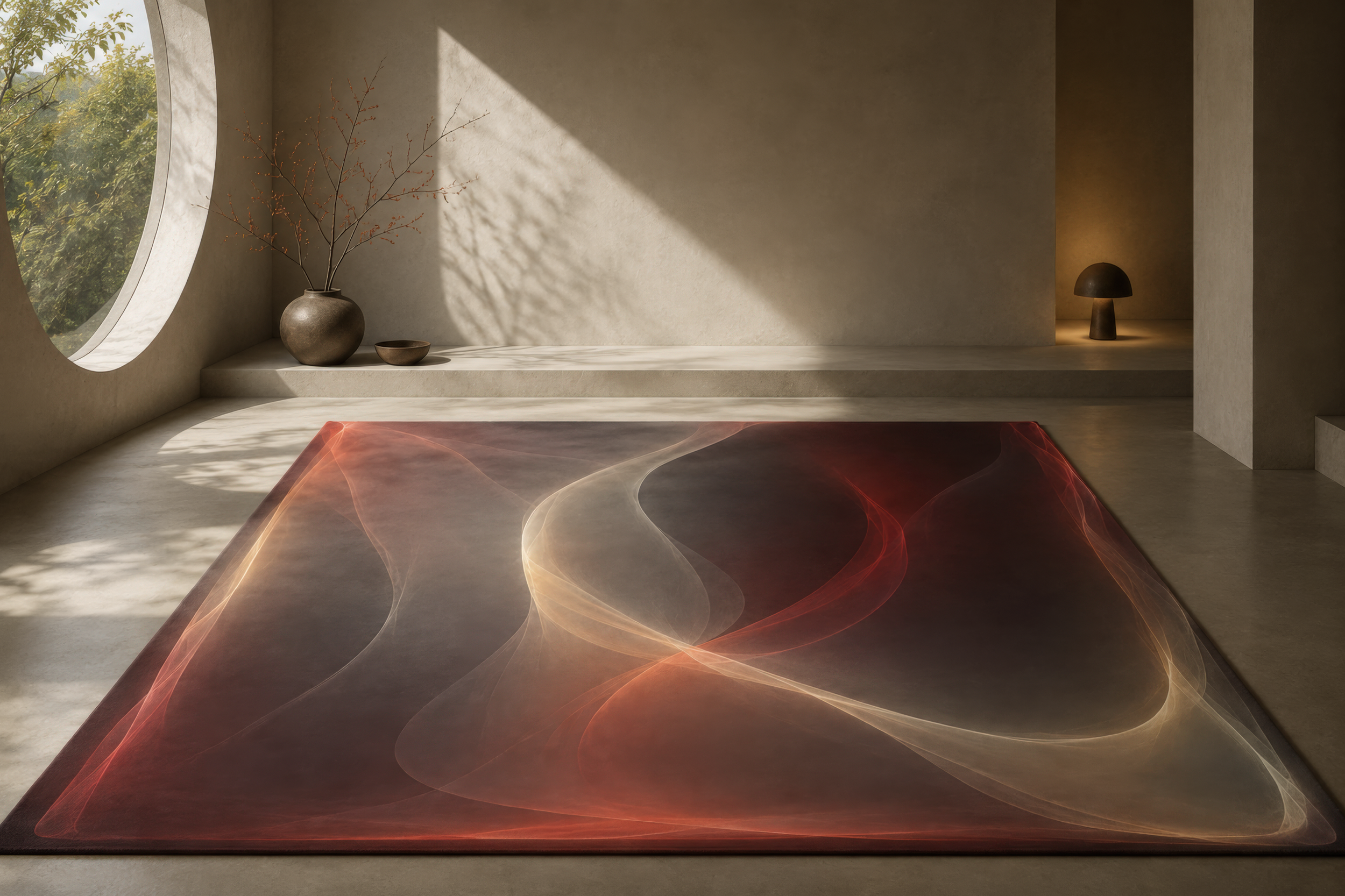
The starting point was a custom rug print created for a client, where computer-generated transformations and layered manipulations of an image motif began producing unexpected structures, gradients of light, and organic forms.
Throughout the process, the original motif gradually dissolved. What remained was a new visual language composed of transparency, movement, and atmospheric depth — somewhere between digital abstraction, light object, and textile expression.
The works feel both calm and alive.
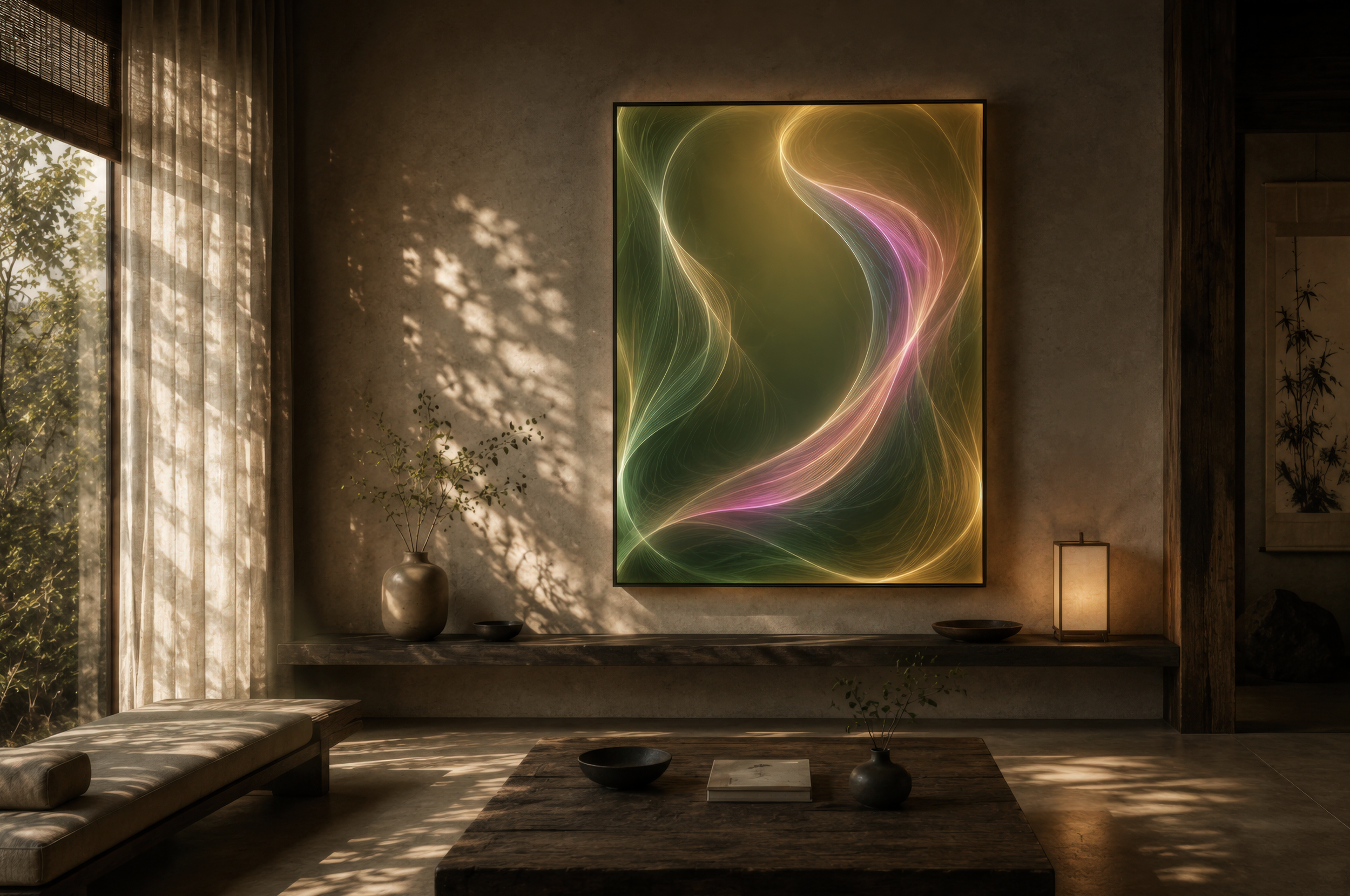
They evoke floating layers of color, reflective surfaces, and delicate textile structures, continuously shifting depending on light, space, and materiality.
From this initial experimental piece, an entire collection evolved — intentionally positioned between artwork and interior design, conceived both as wall-based pieces and as textile surfaces such as rugs or spatial objects.
STANDSTILL
by Andrea Mühlbacher
FEMINALS
Sketches
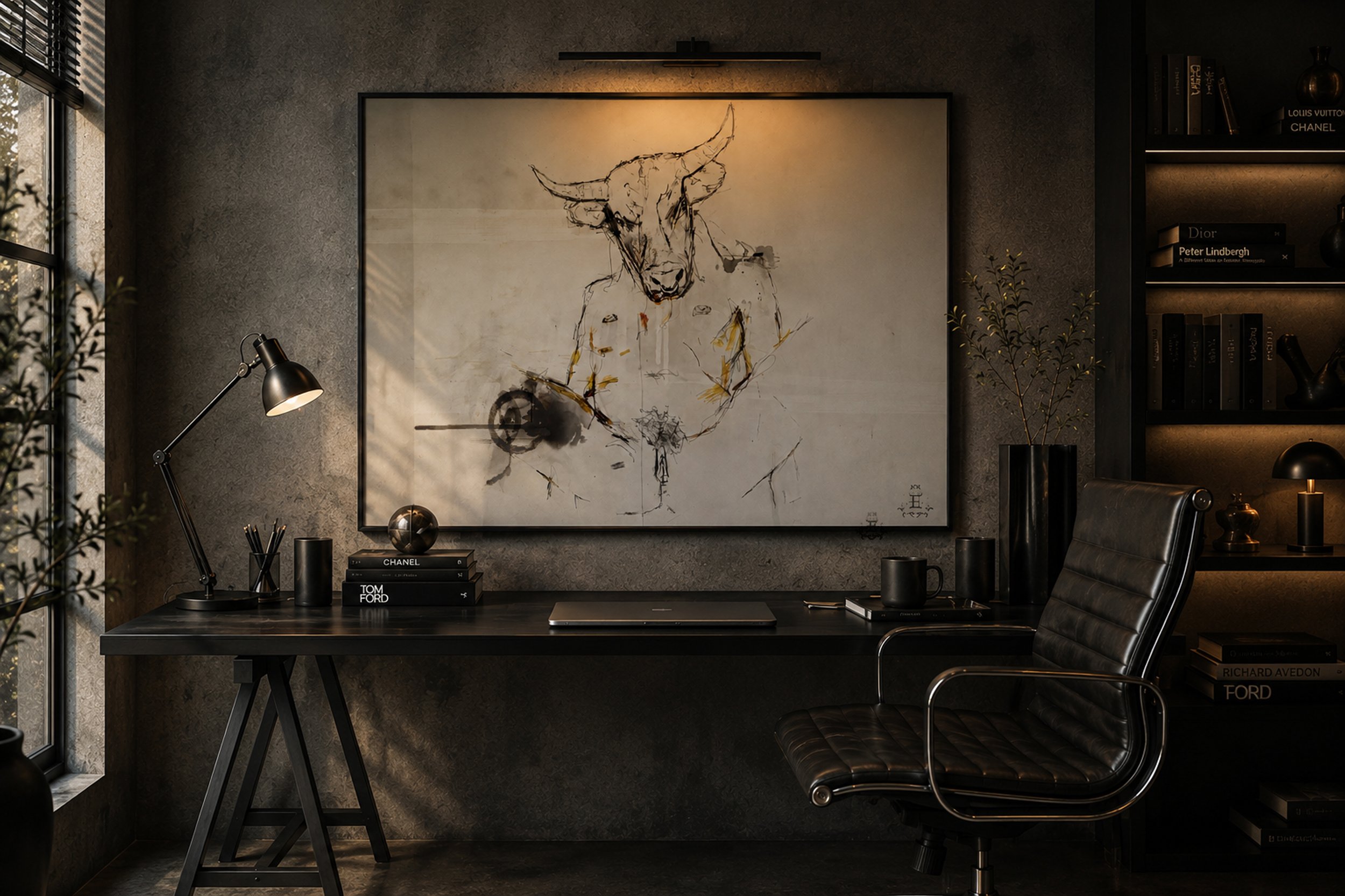
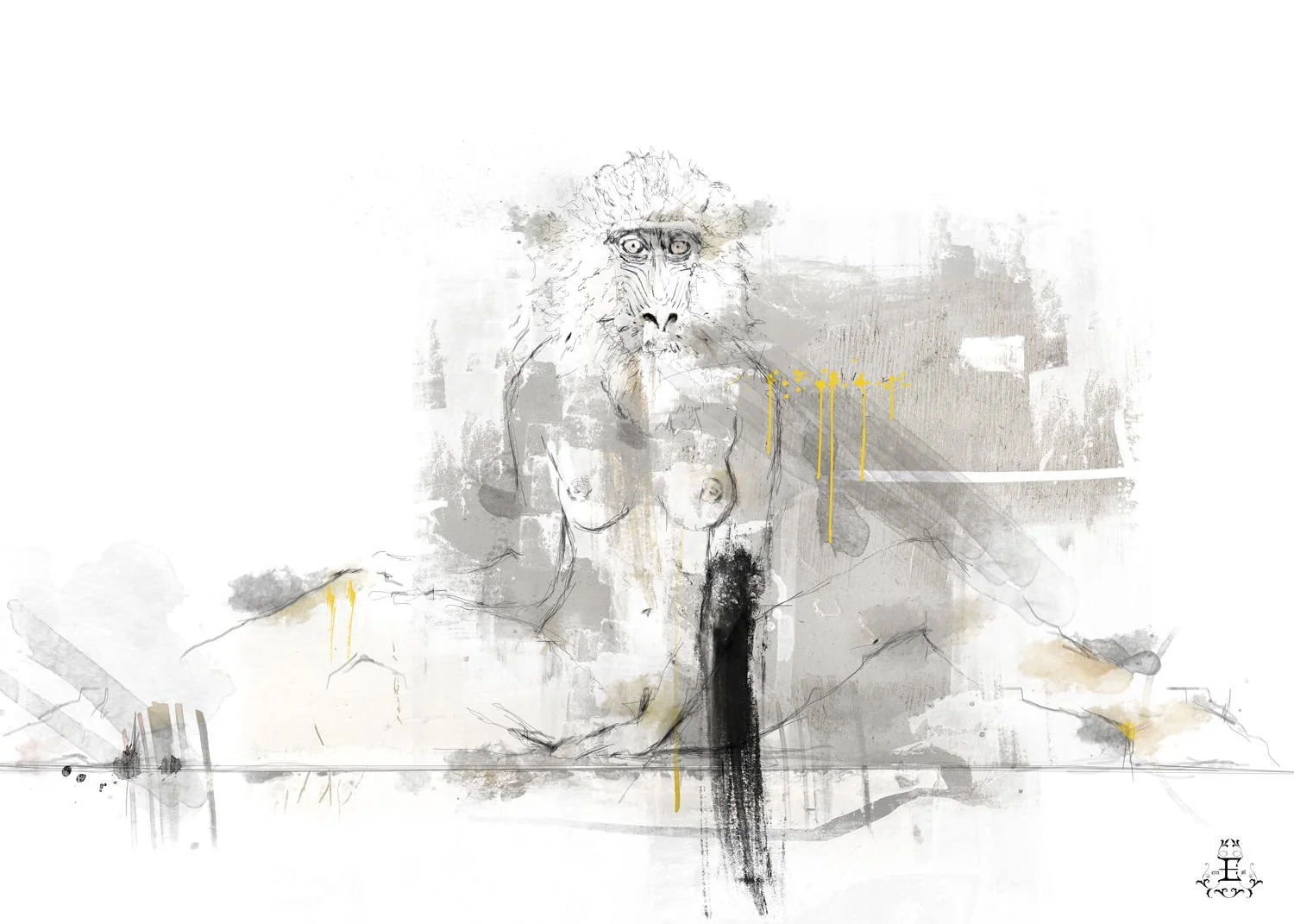
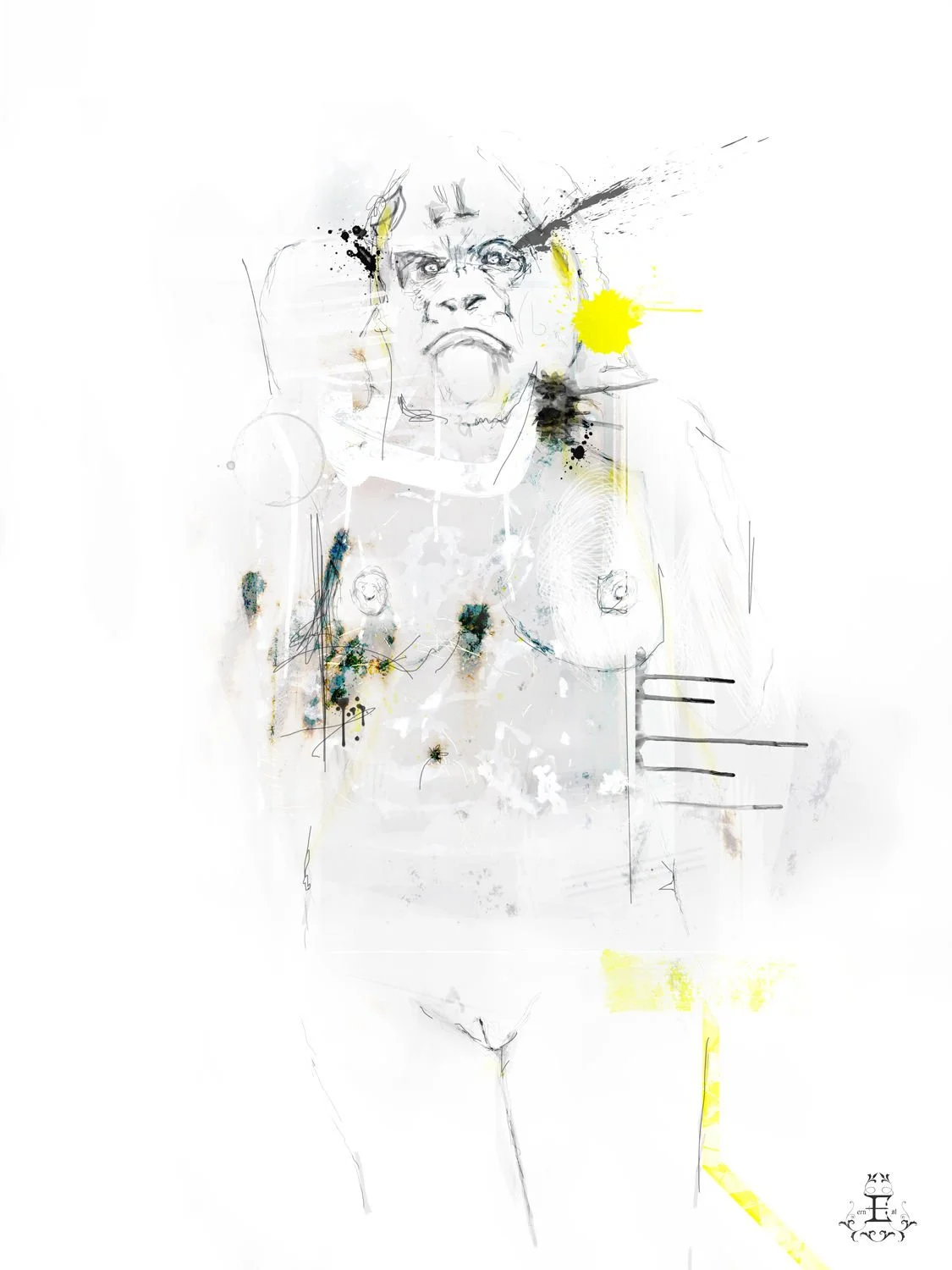
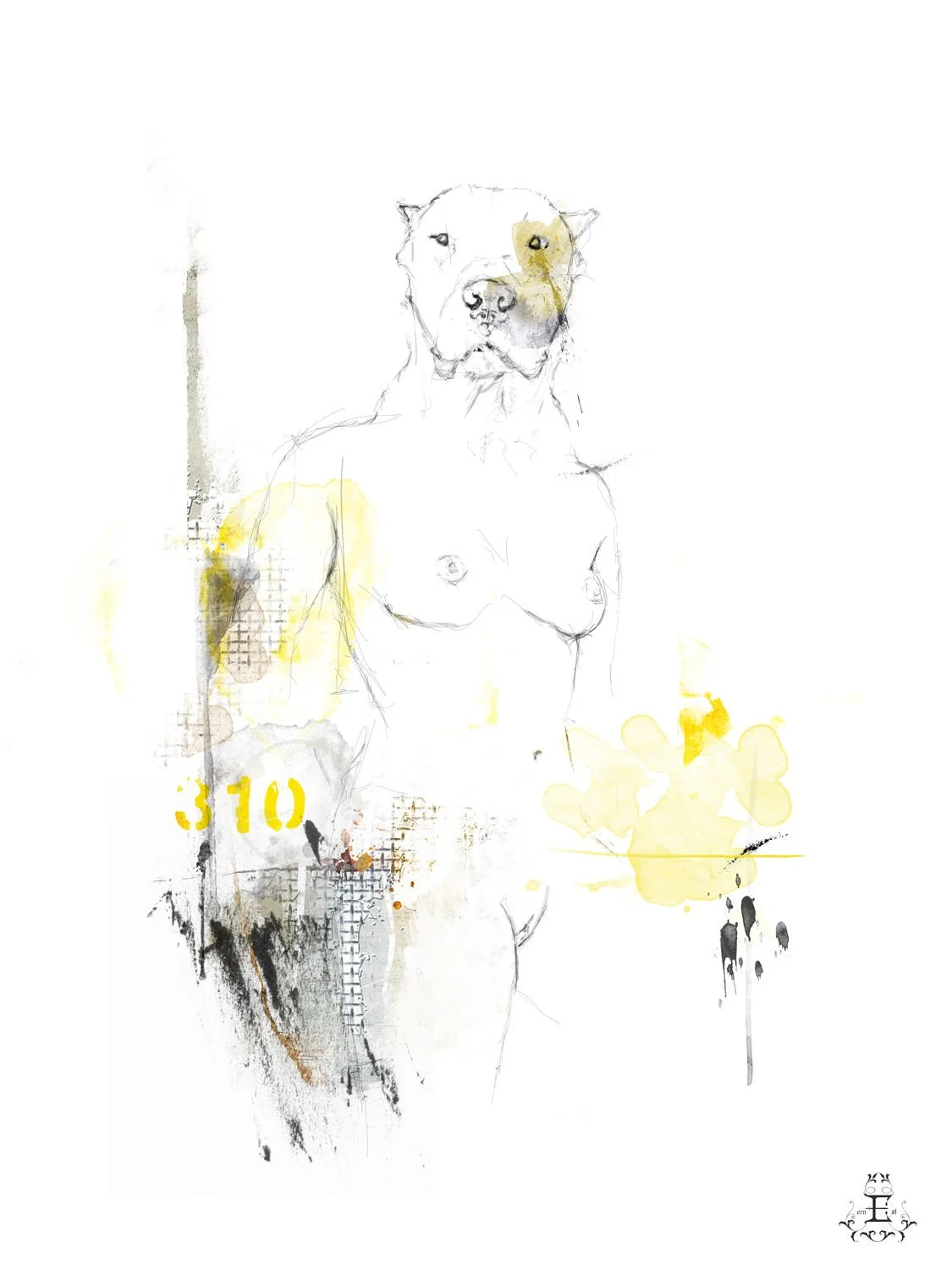
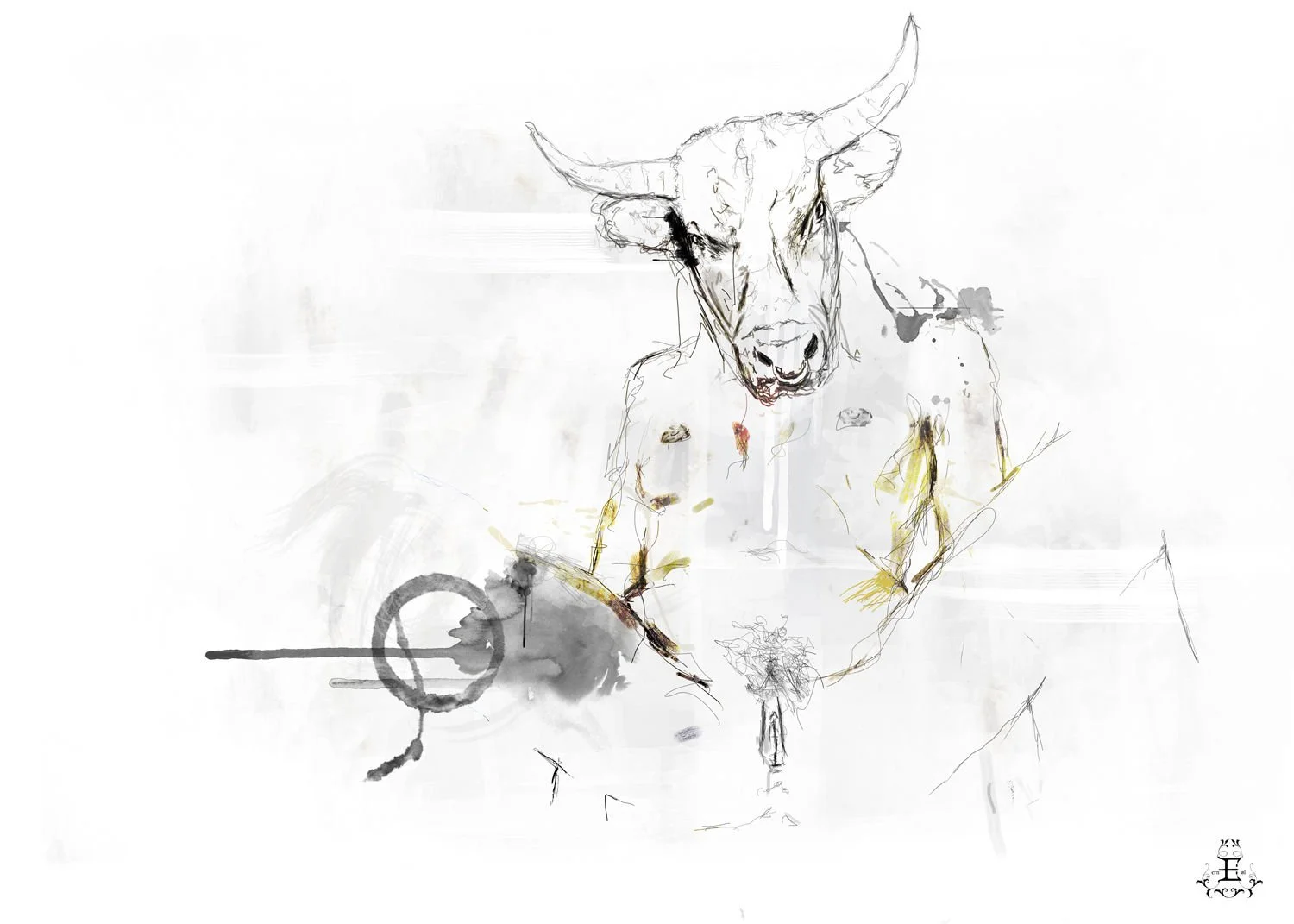
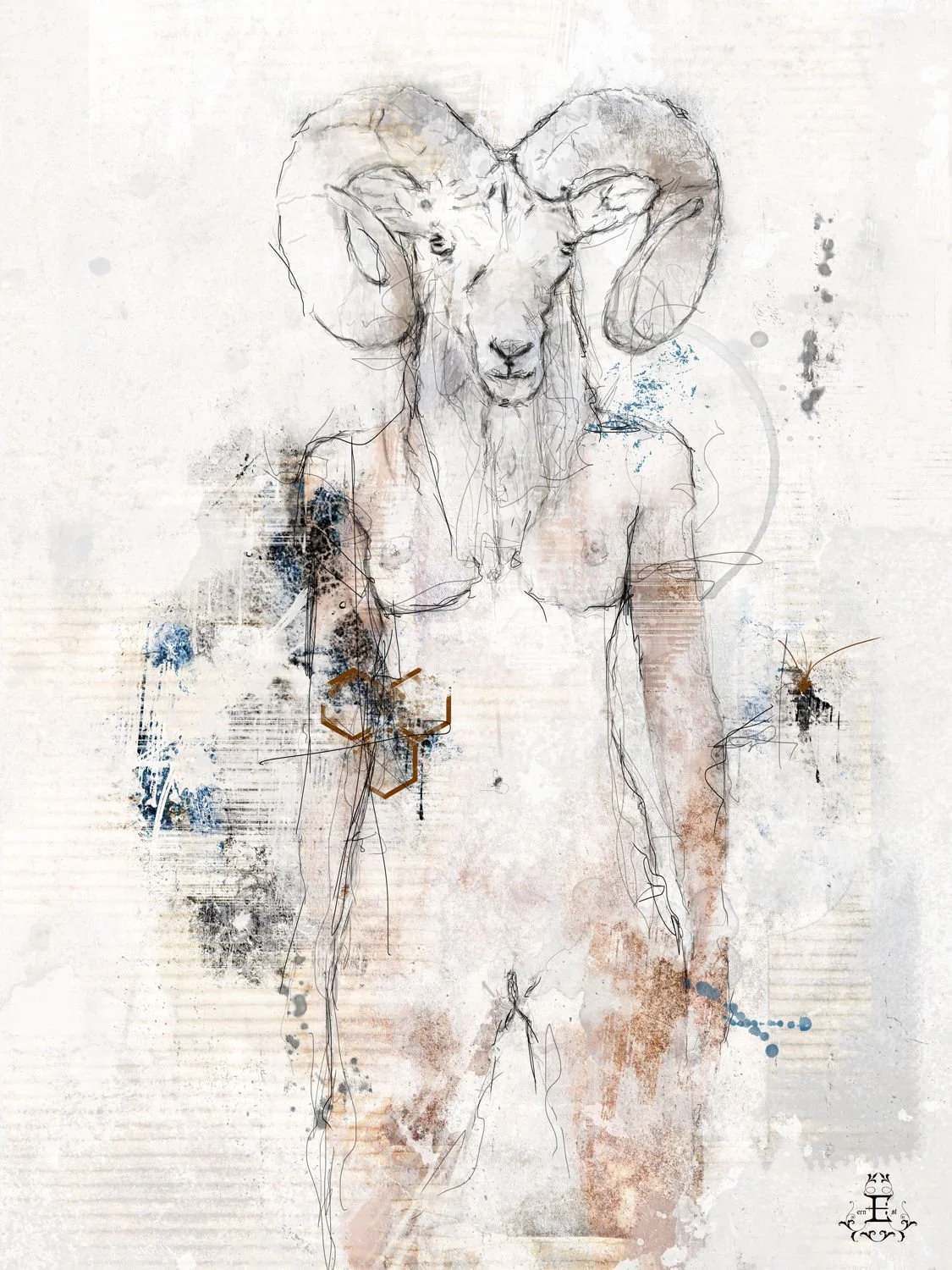
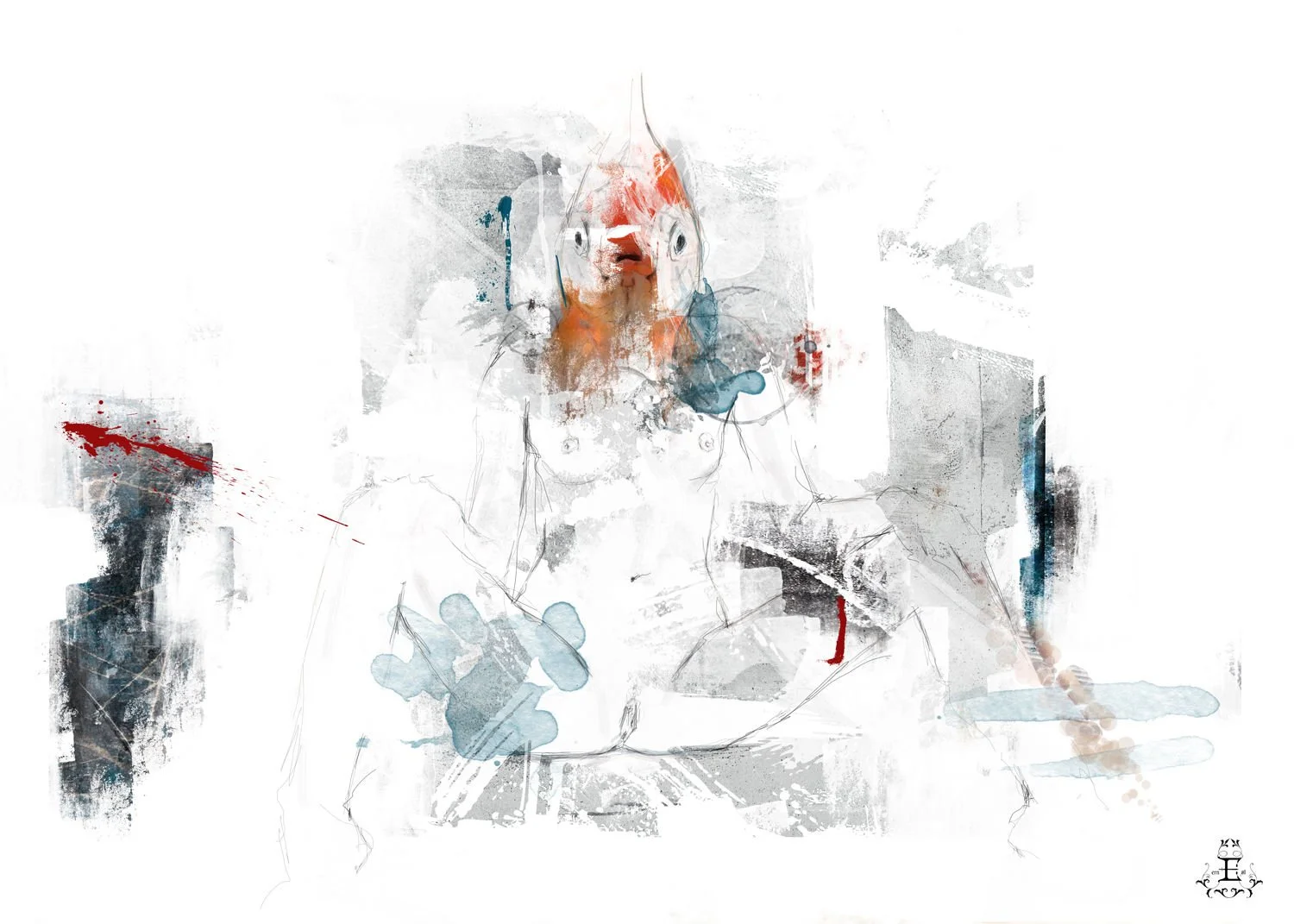
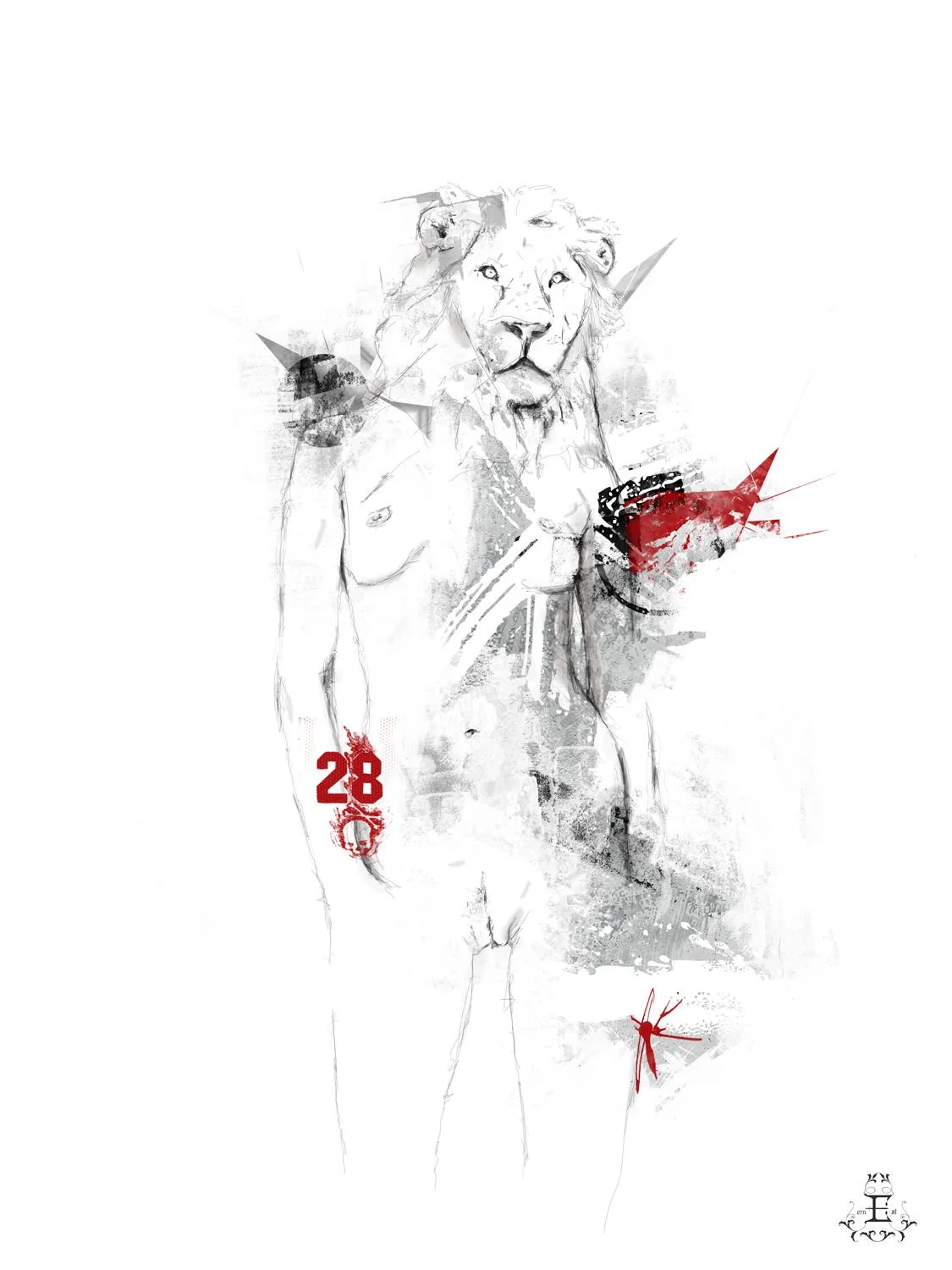
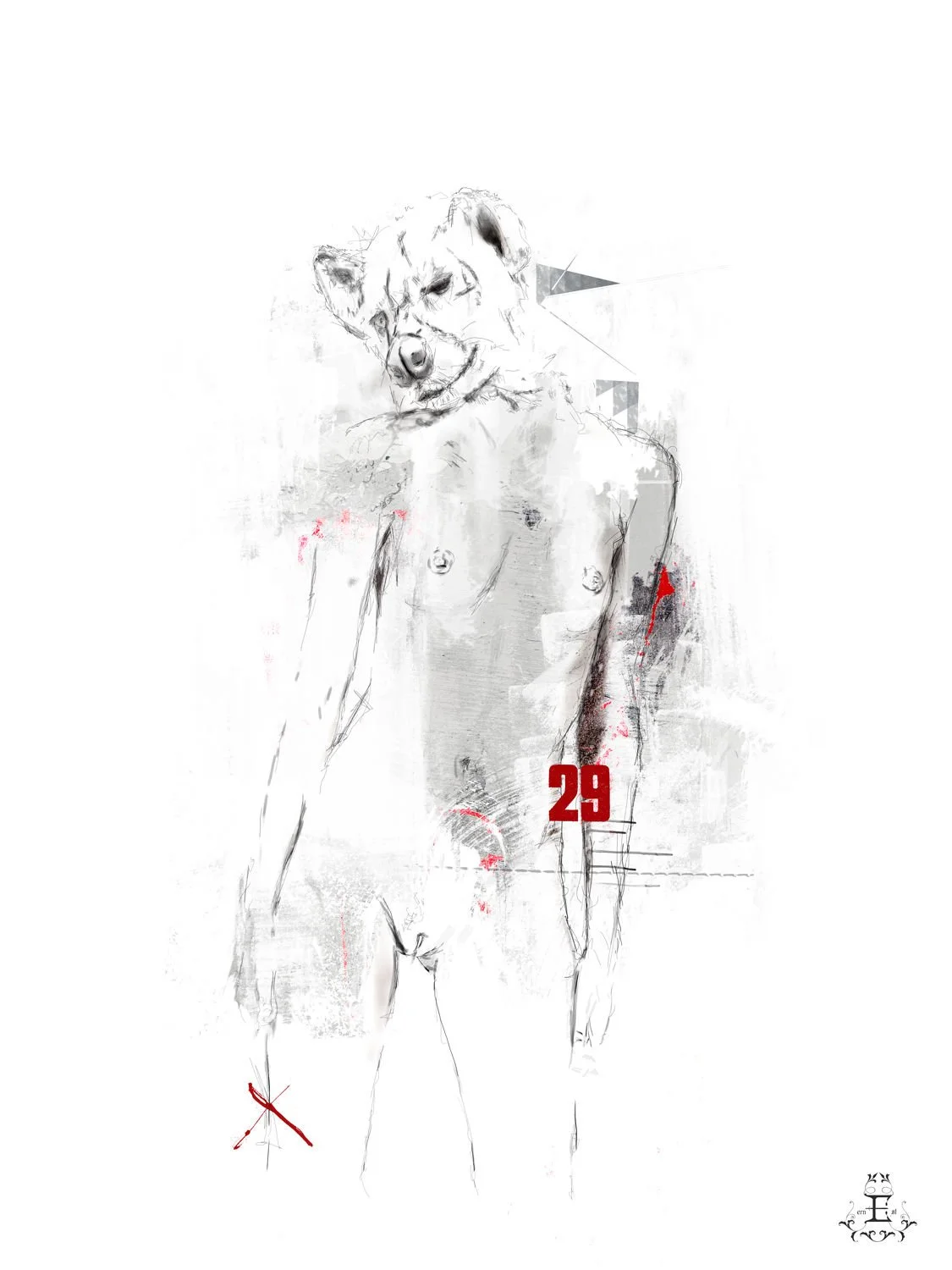
Feminals
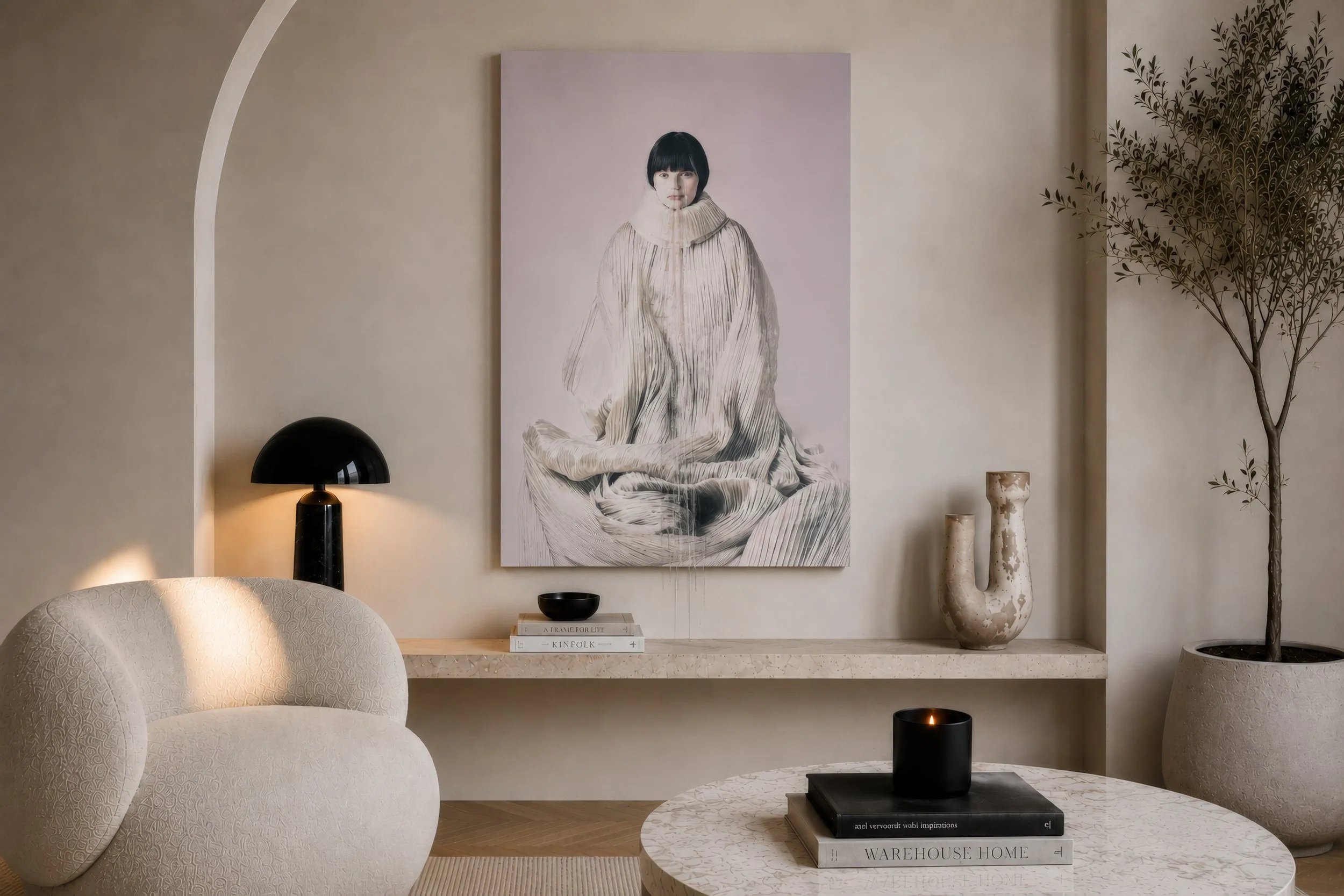
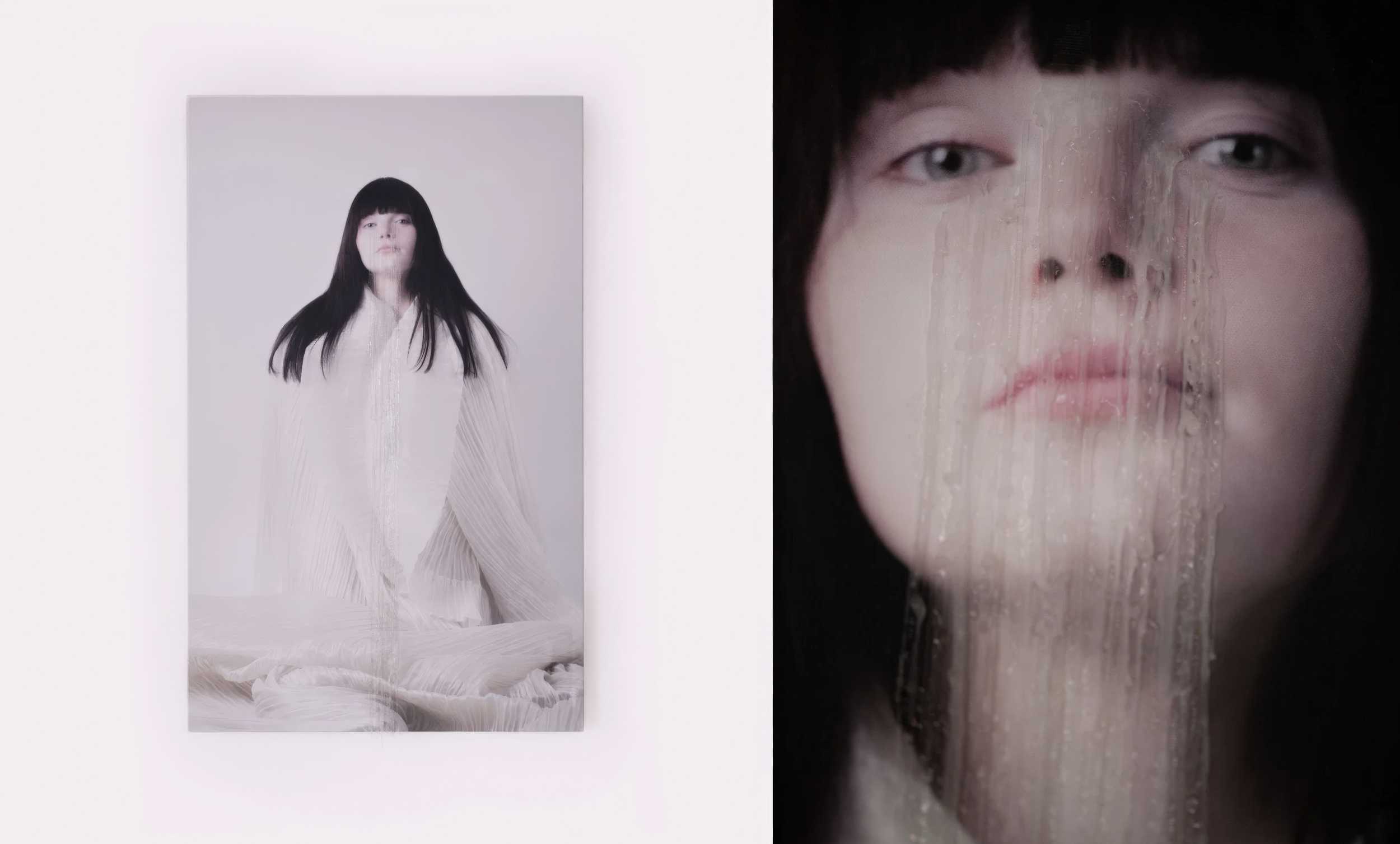
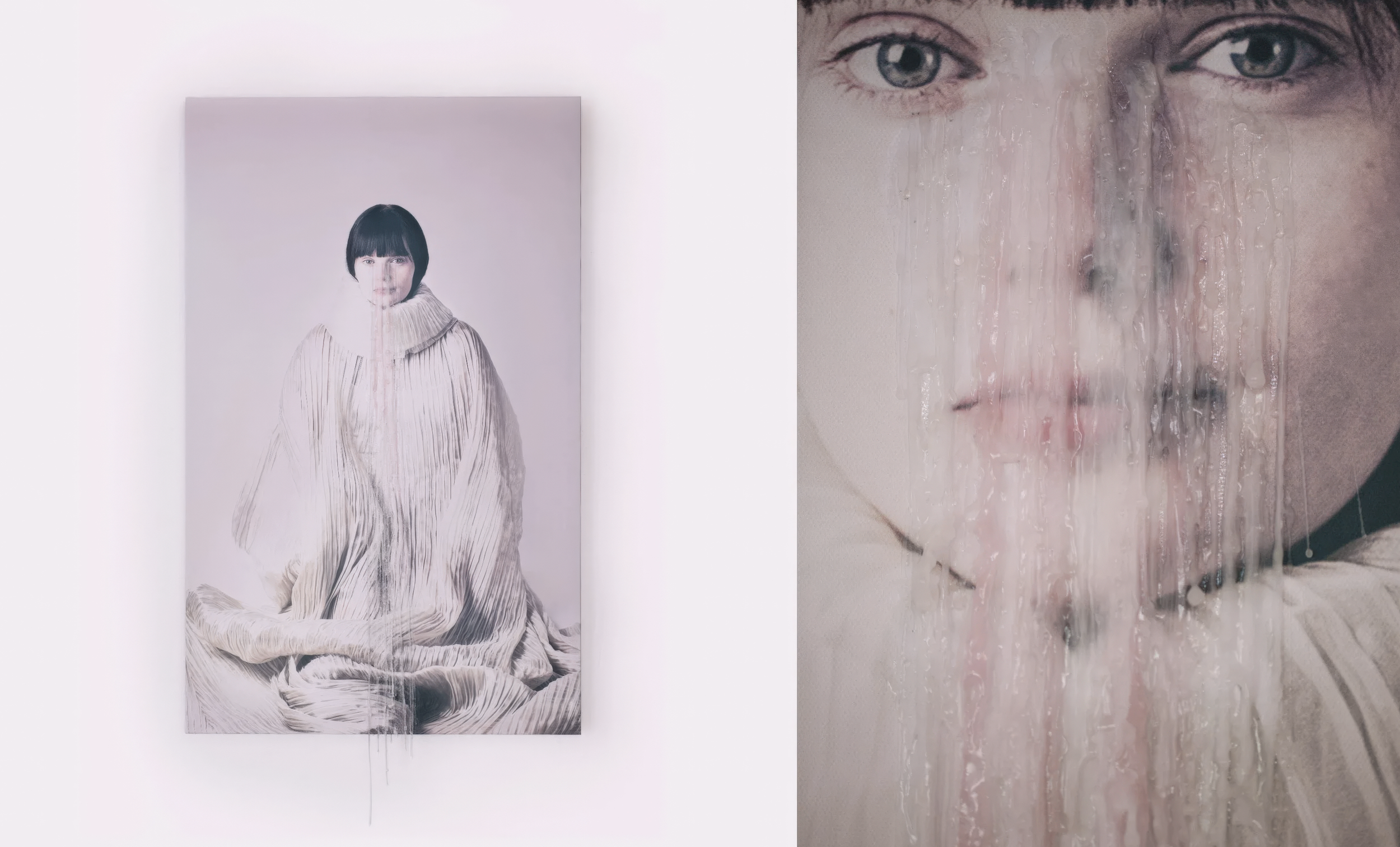
I began this collection more than twelve years ago. The first sketches were not created in a studio, but on the move – during train journeys, with a laptop resting on my knees. As the landscape passed by outside, the first figures gradually emerged, line by line. I often noticed the curious glances of fellow passengers trying to understand what was taking shape on the screen.
What started as a spontaneous idea gradually evolved into one of the most defining series of my artistic journey. Many of the motifs have accompanied me since their very first sketches and have been continuously developed, transformed, and reinterpreted over the years.
The works begin as digital drawings and are then printed on aluminium dibond. Each piece is subsequently refined by hand, combining digital precision with artisanal individuality and giving every artwork its own unique character.
For me, Feminals is far more than a collection. It is a journey that has grown over many years – shaped by ideas, observations, and creative evolution. A project that continues to accompany me and inspire new works to this day.
TREES LONGING TO BECOME A CLOUD
by Andrea Mühlbacher
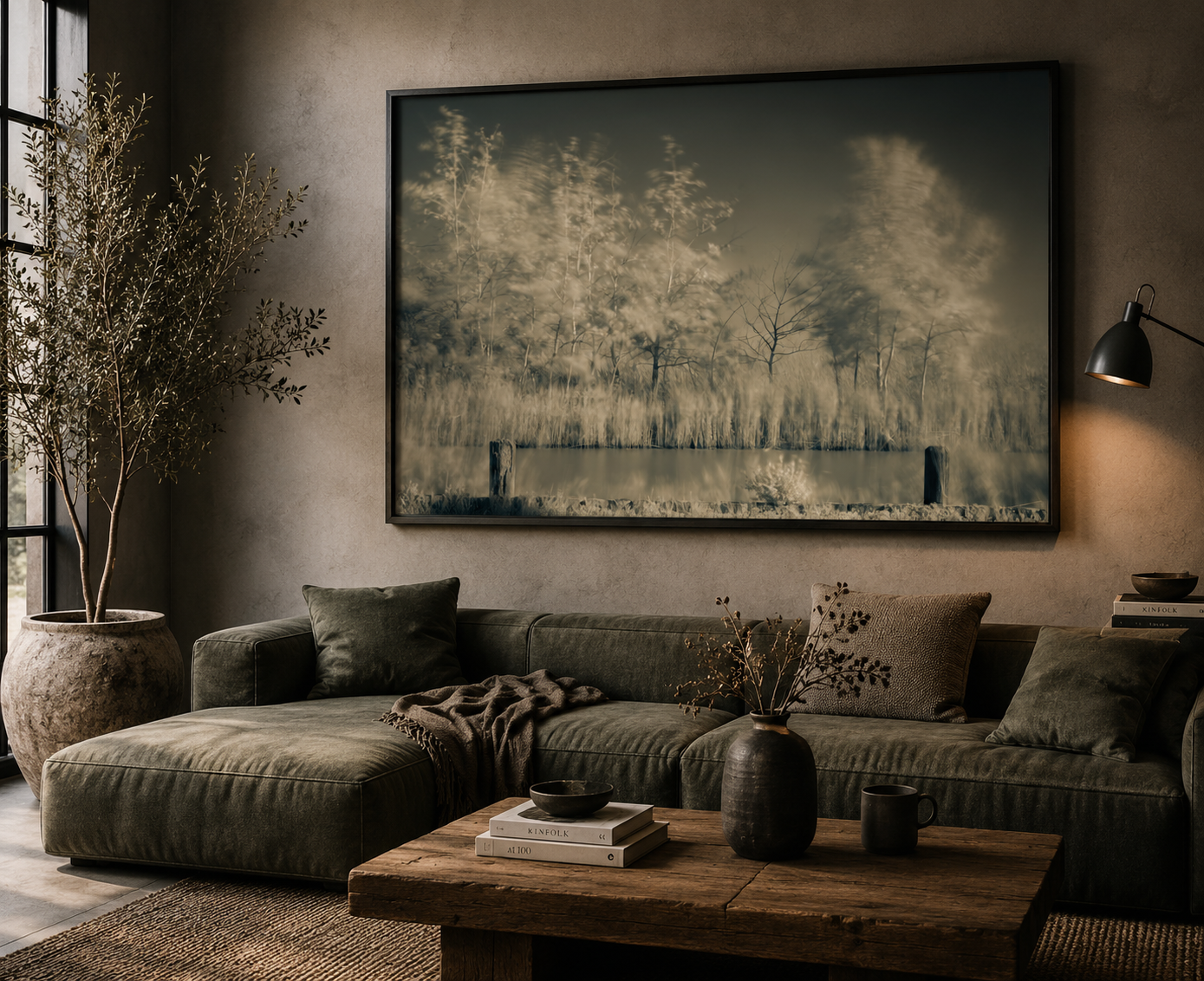
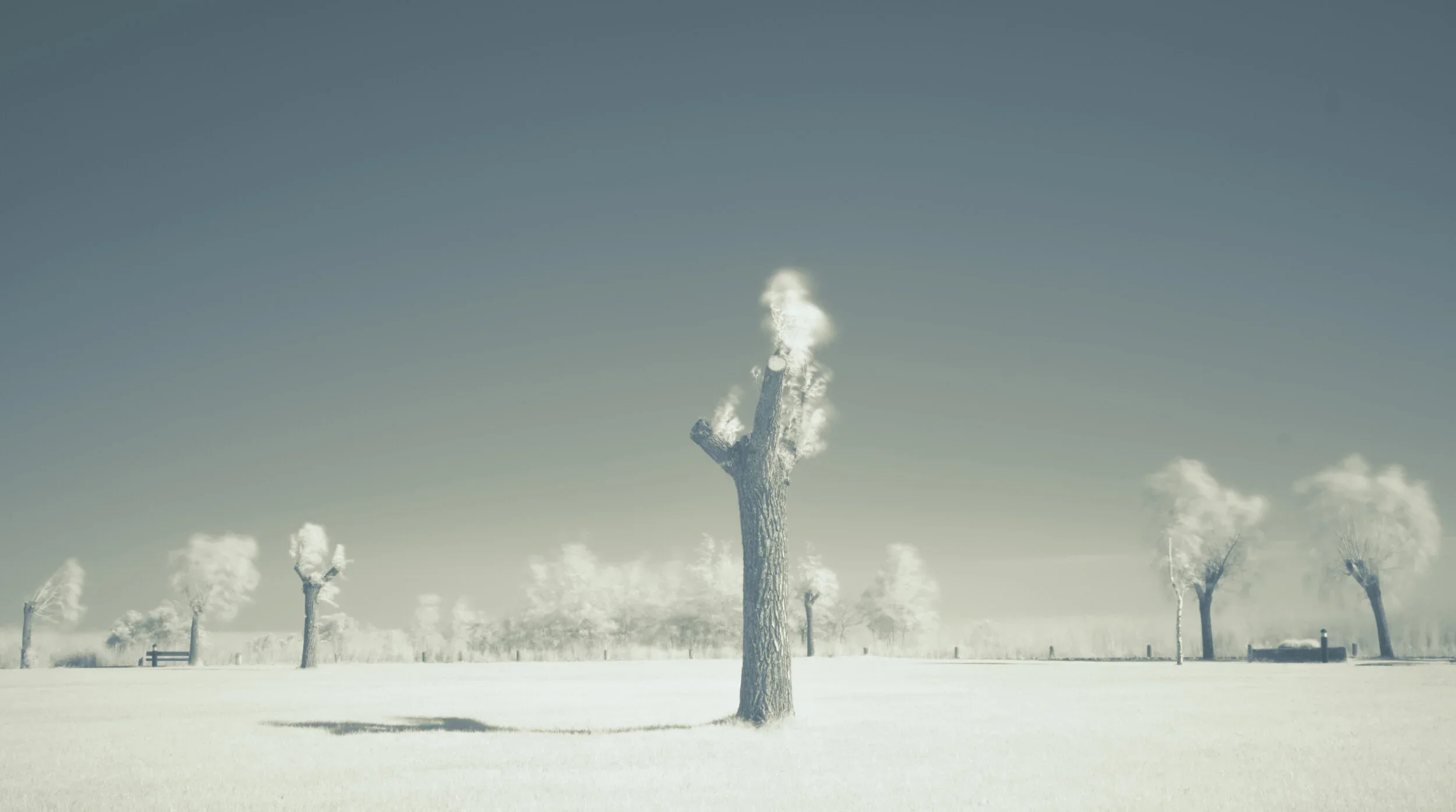
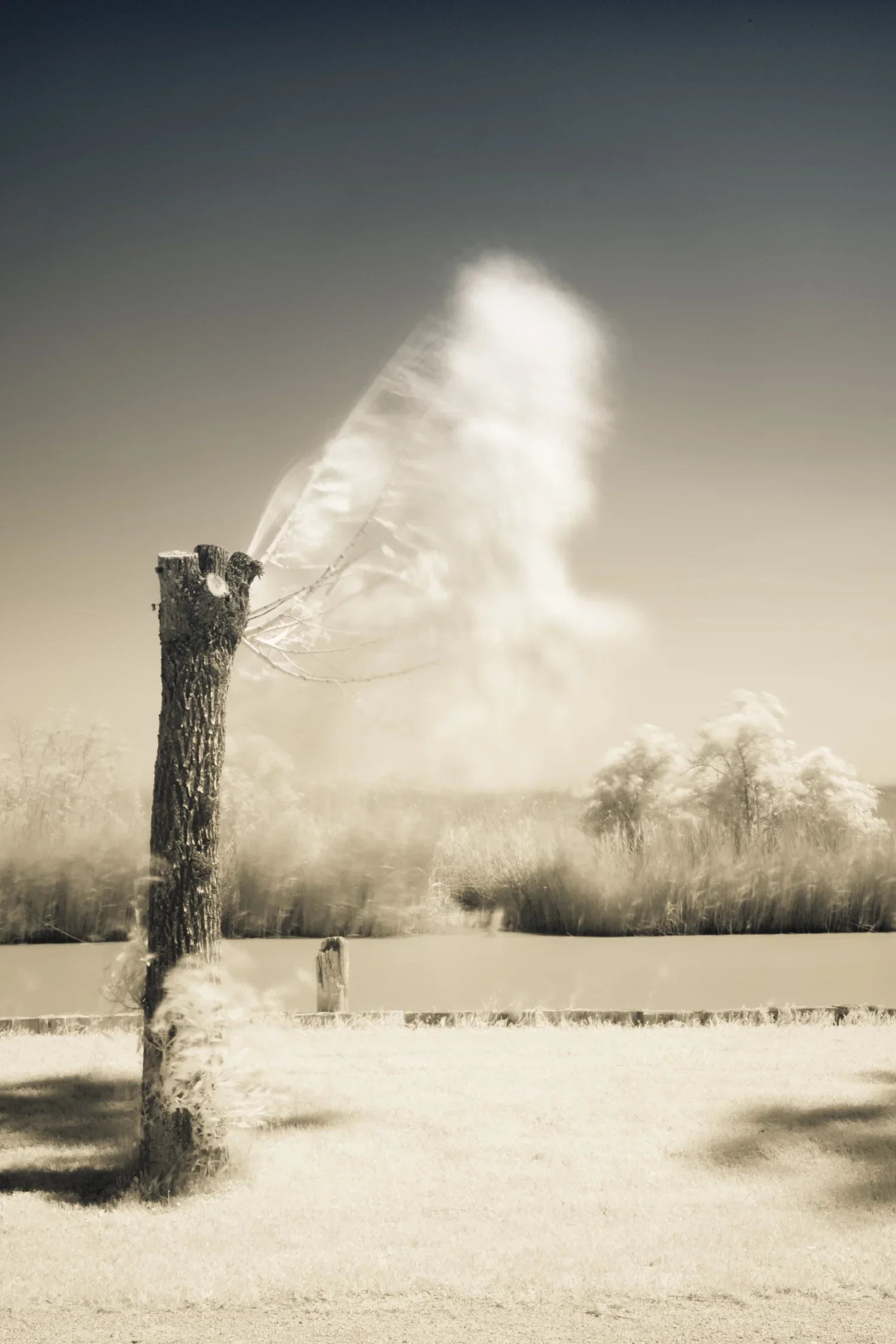
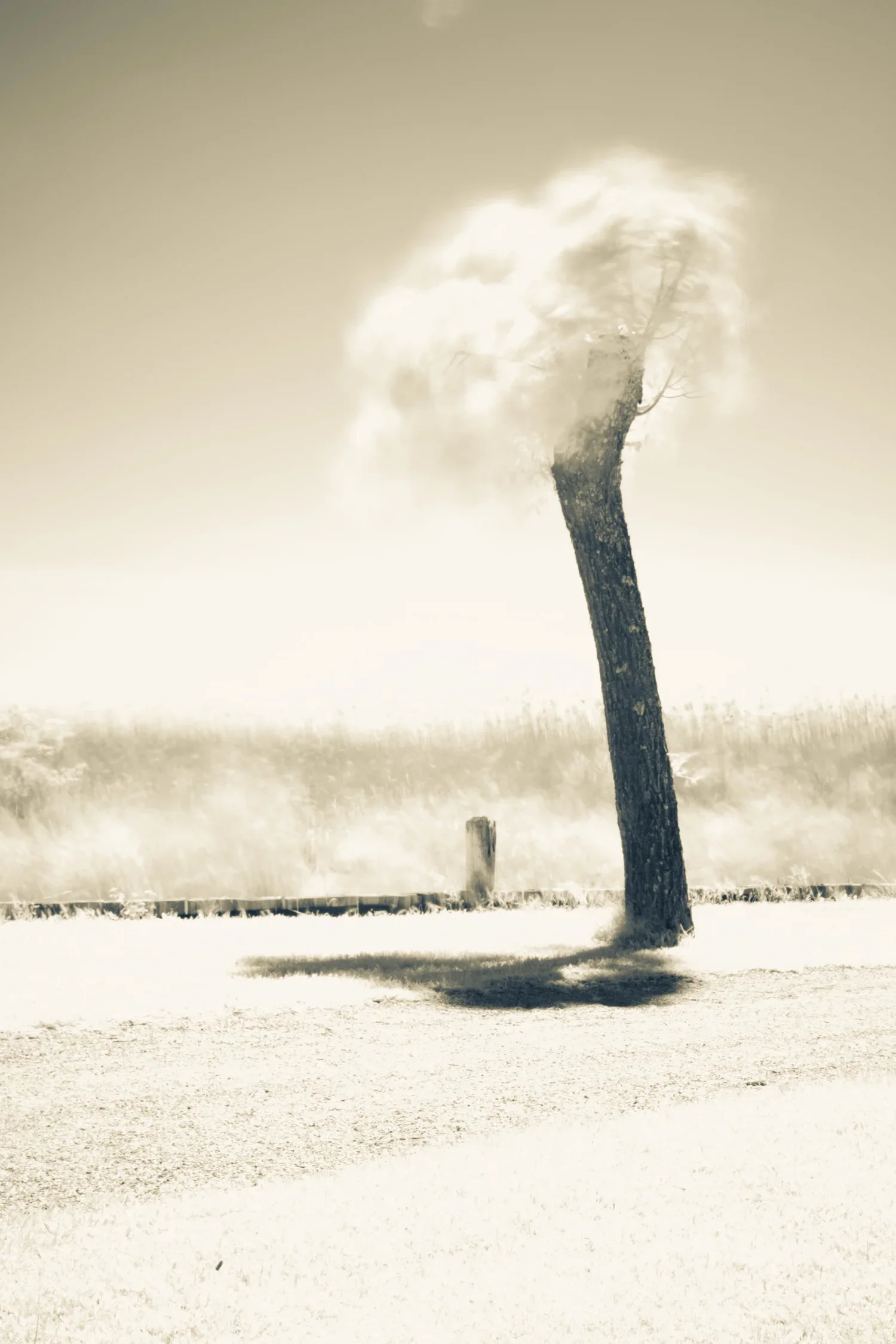
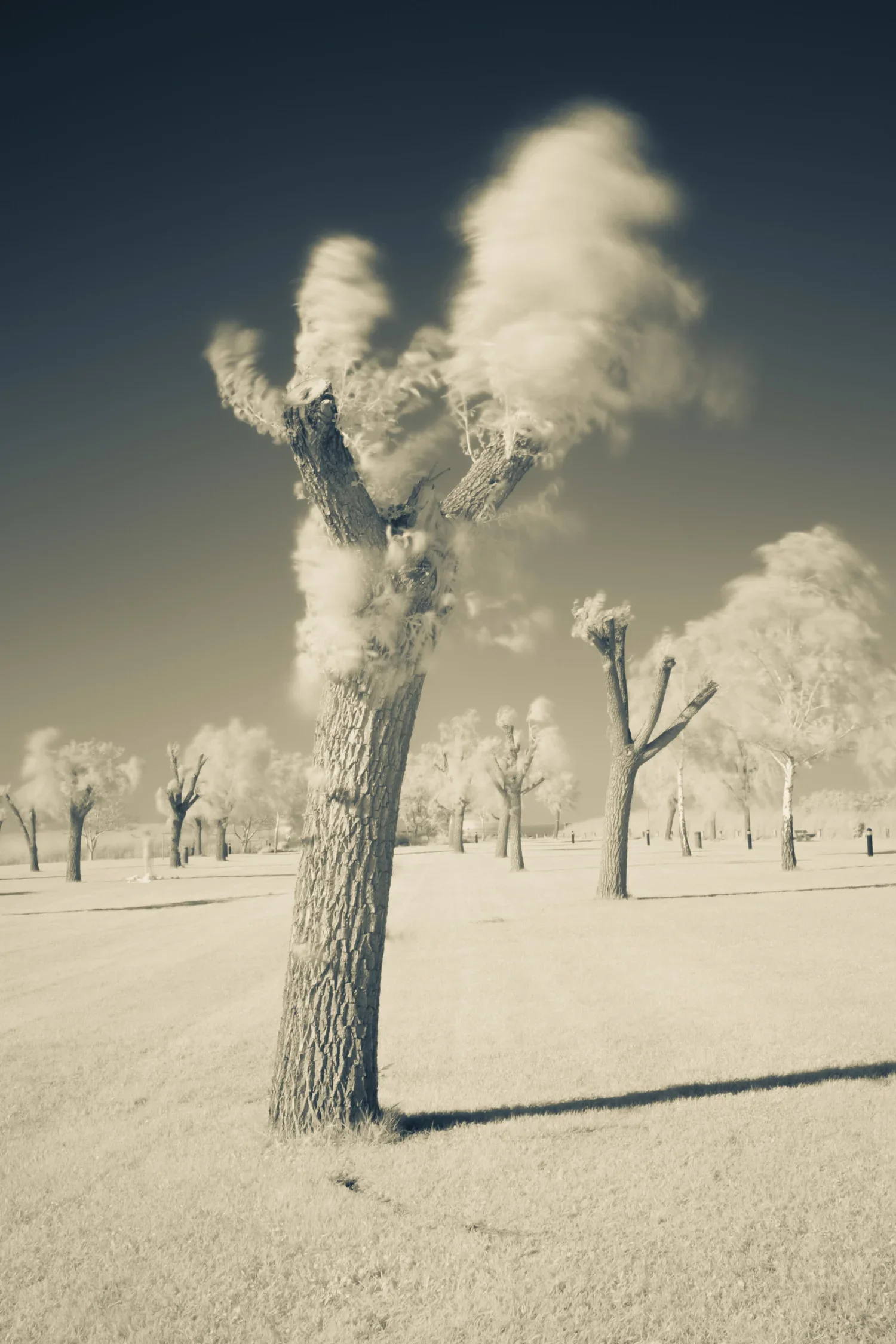
Trees Longing to Become a Tree
This fine art photography collection was created during Andrea’s time at the Akademie für angewandte Photographie.
The images appear almost surreal — like landscapes from another world. Hard to believe that all of these photographs were actually taken in Austria.
Through a unique exposure technique, the trees transform into almost floating forms suspended somewhere between reality and dream. Light, texture, and atmosphere merge into quiet, almost painterly compositions.
To this day, Andrea has never fully revealed the secret behind this technique.
“Trees Longing to Become a Tree” speaks of silence, longing, and the beauty of imperfection — somewhere between photography and memory.
ERNEST
by Andrea Mühlbacher
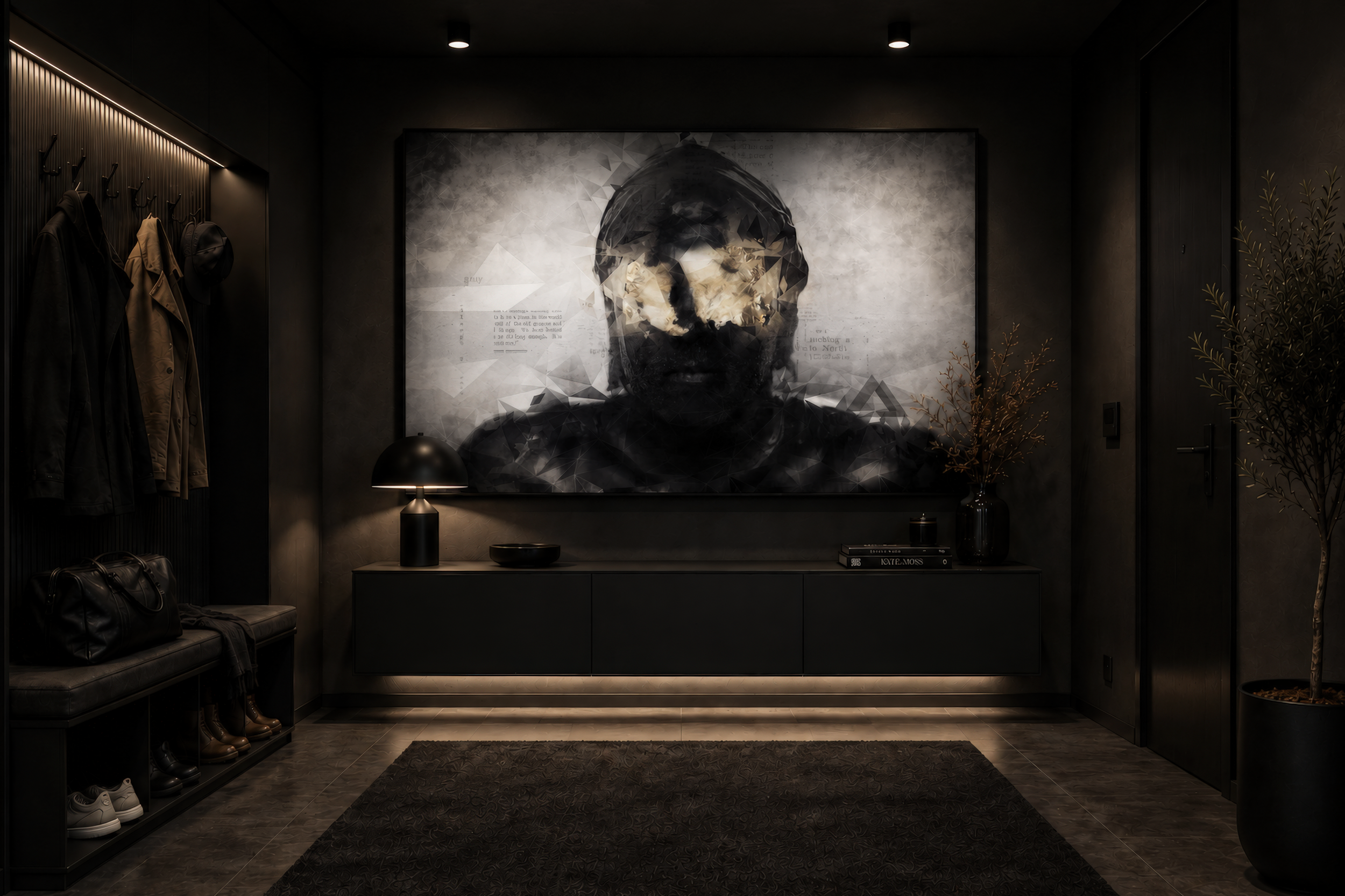
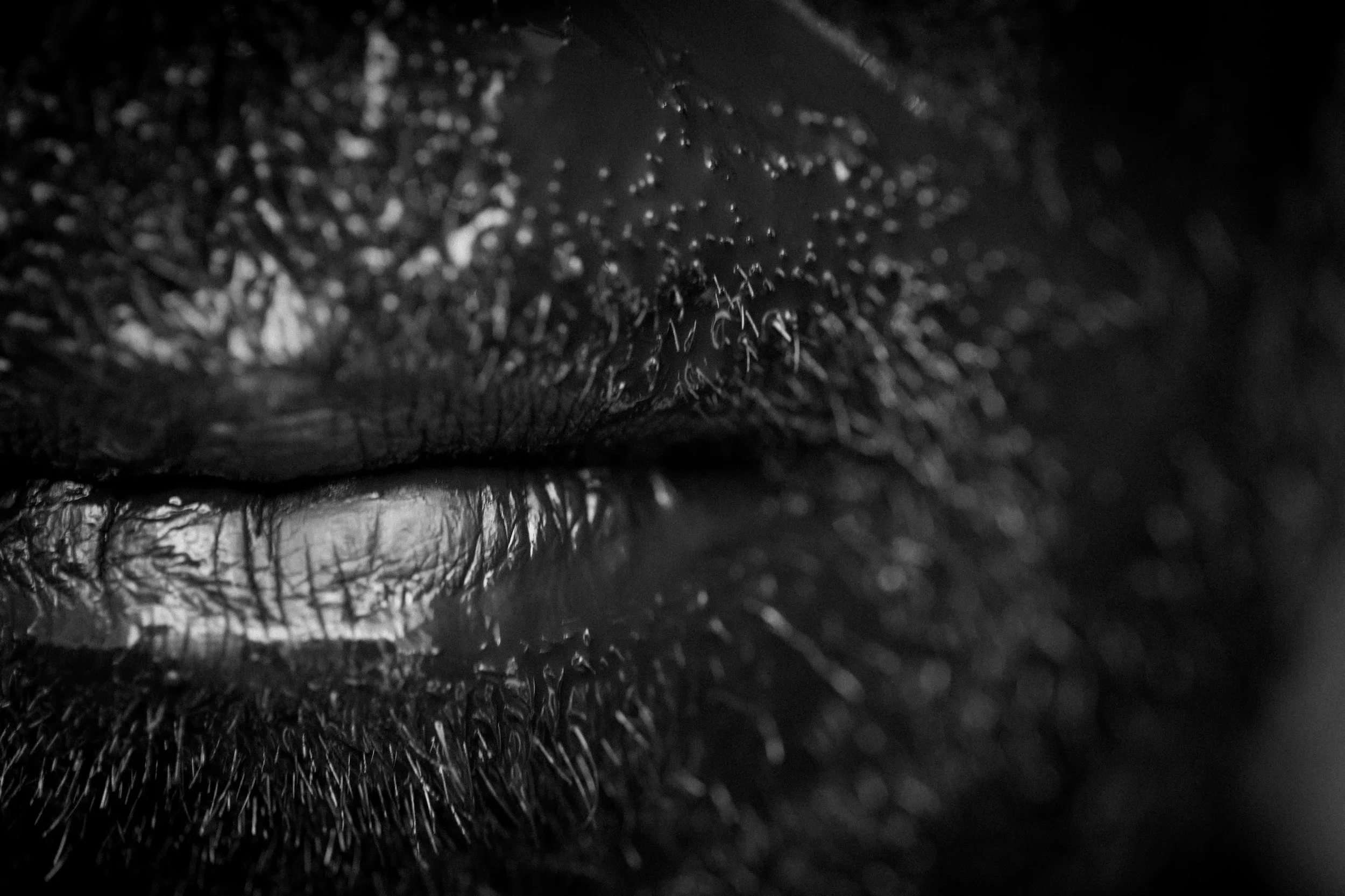
ERNEST
This series was never planned.
It emerged from a spontaneous idea almost ten years ago.
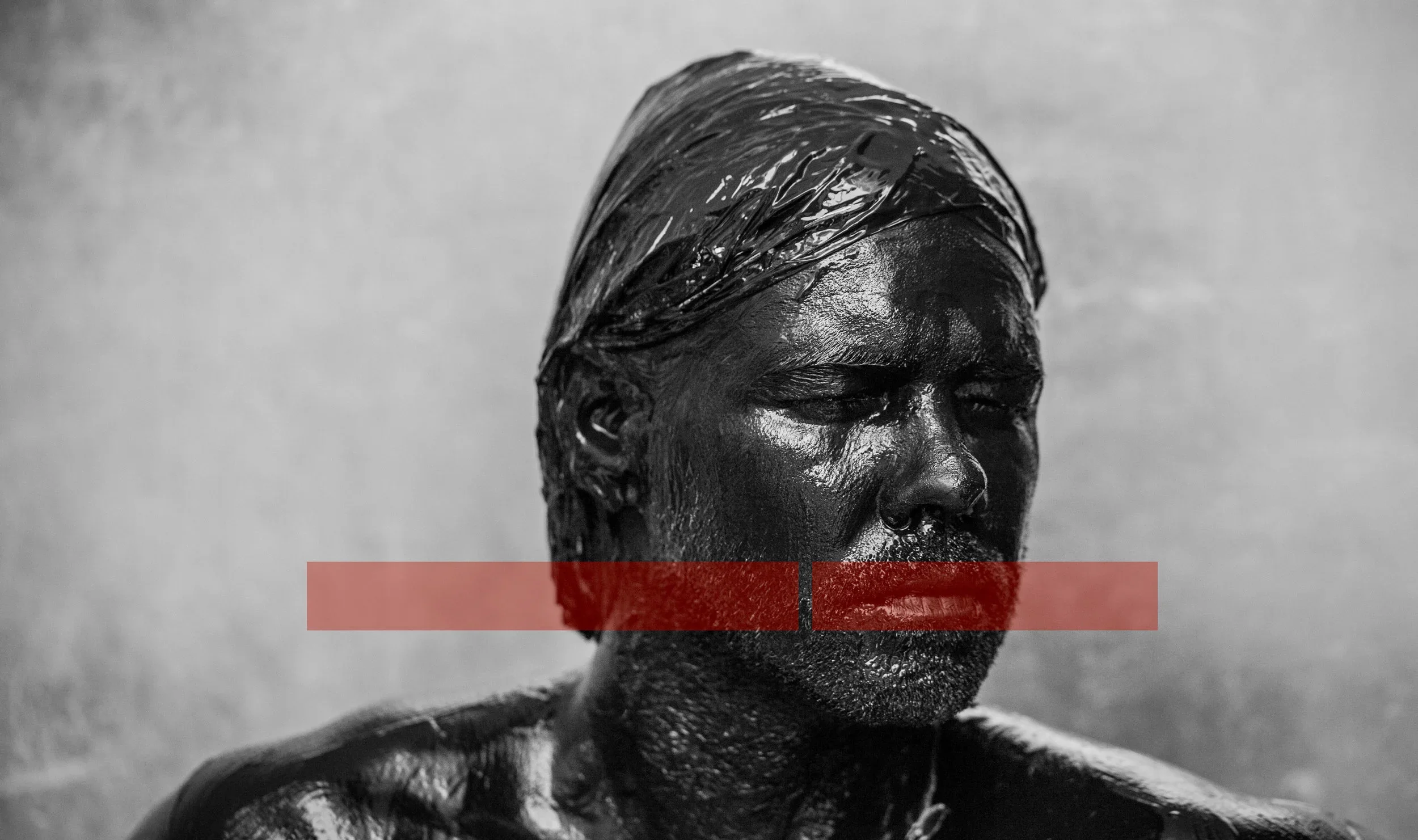
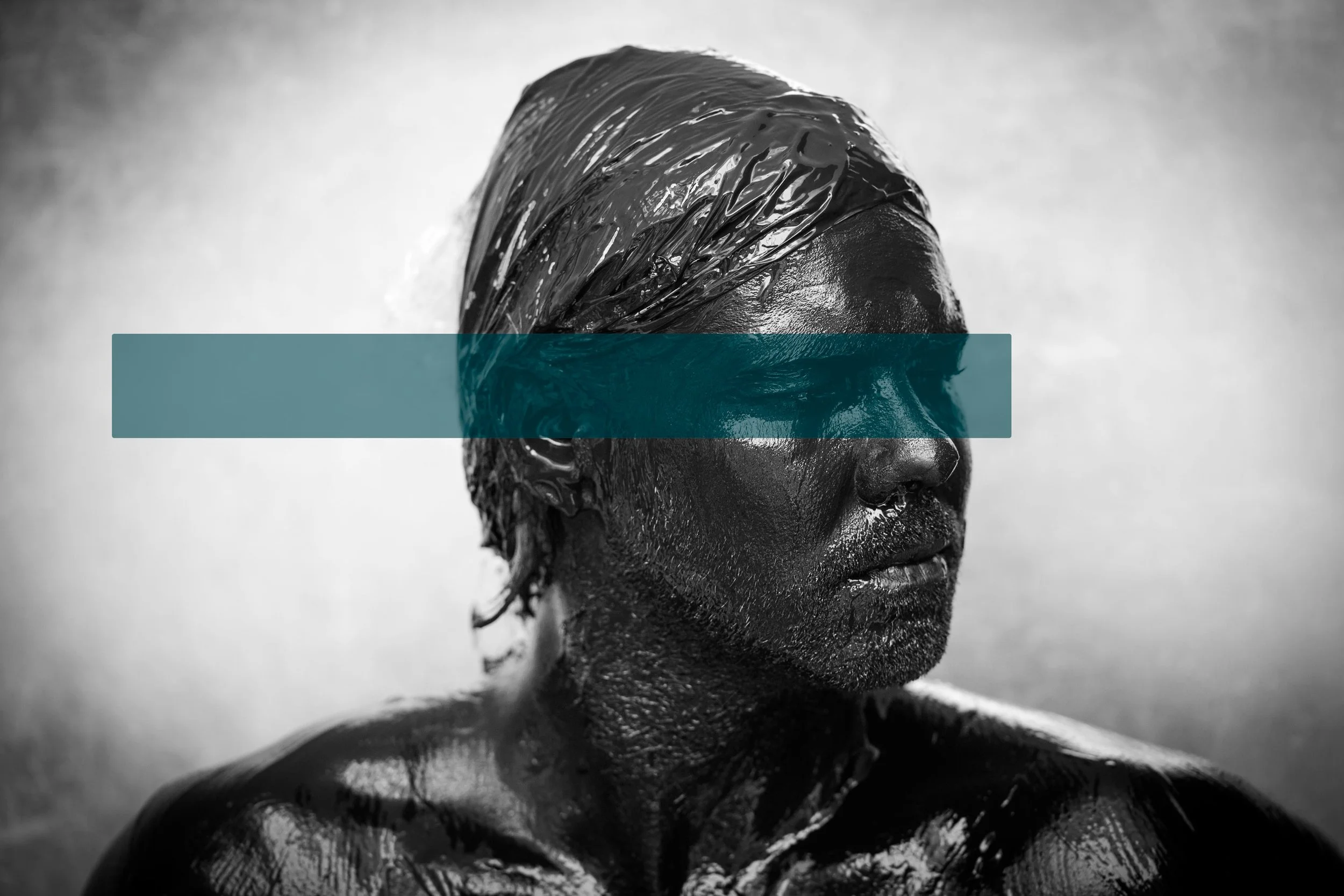
Andrea painted my entire body and face with deep black pigment and began photographing.
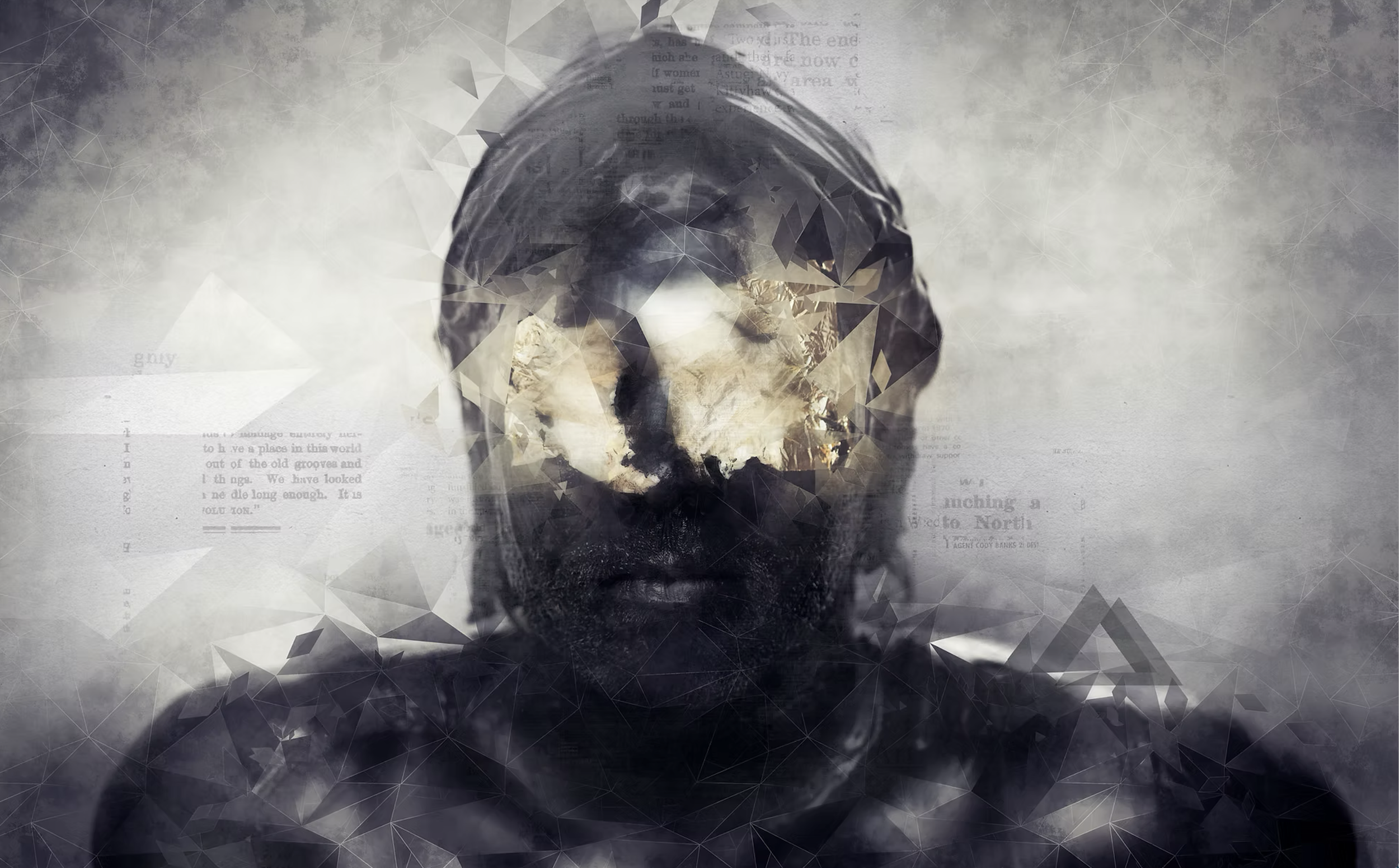
The intensity of the material, the texture on the skin, and the almost sculptural transformation created an atmosphere that felt both human and unreal.
Weeks later, pigments were still coming out of my ear.
It was precisely this raw, physical experience that shaped the works in a unique way.
Out of this impulsive action emerged a collection of dark, fragmented portraits balancing between photography, digital abstraction, and emotional presence.
PEACOCK
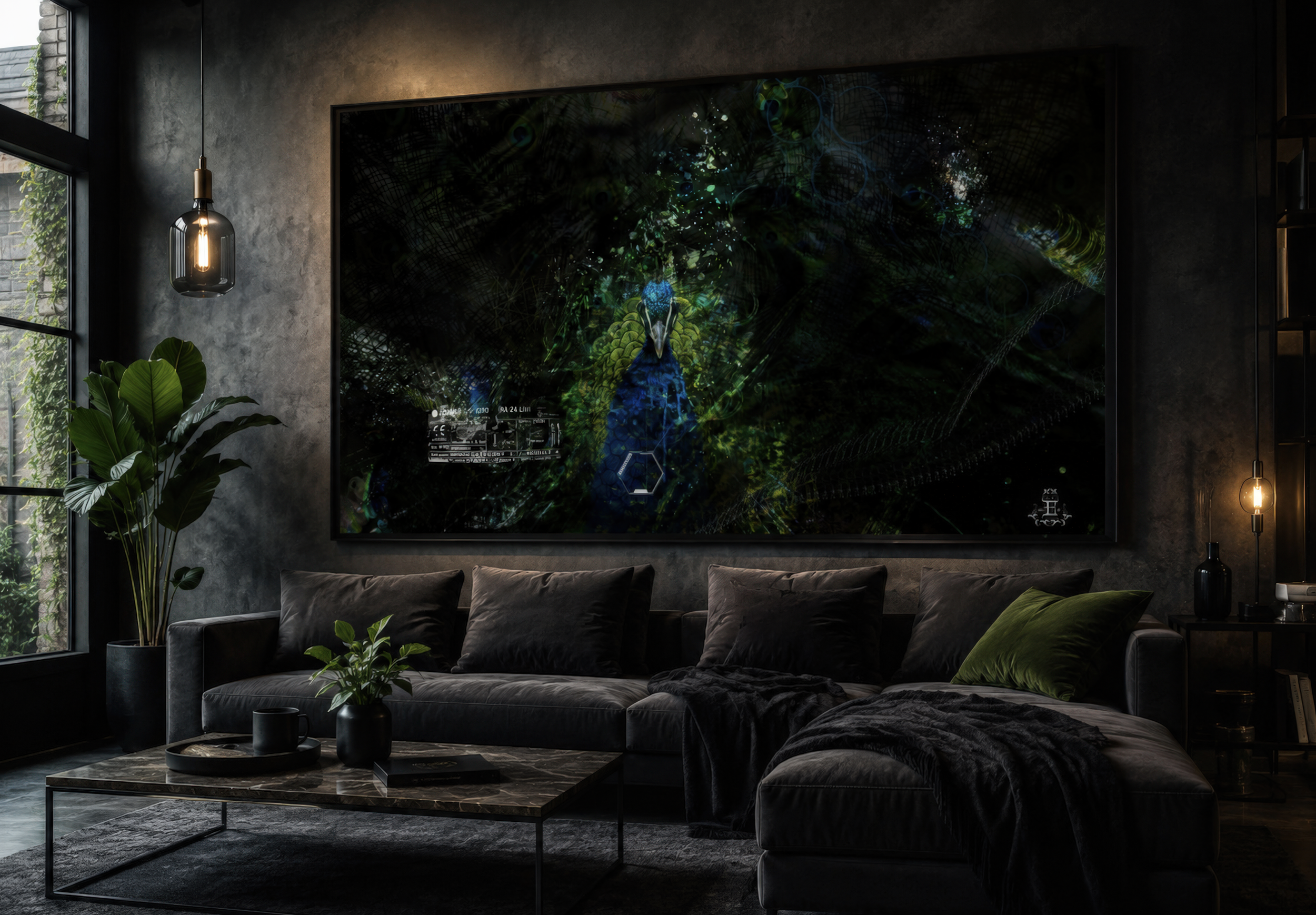
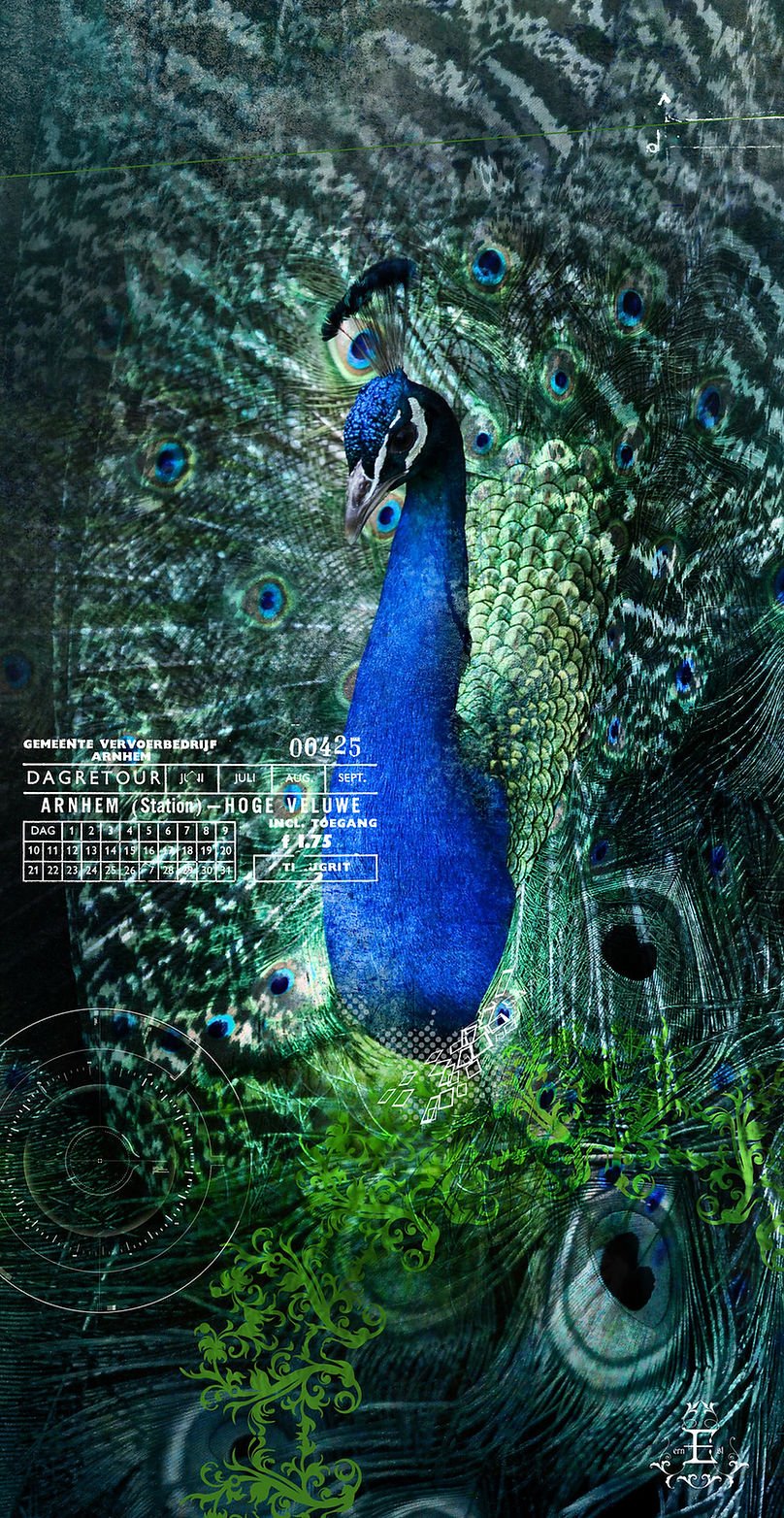
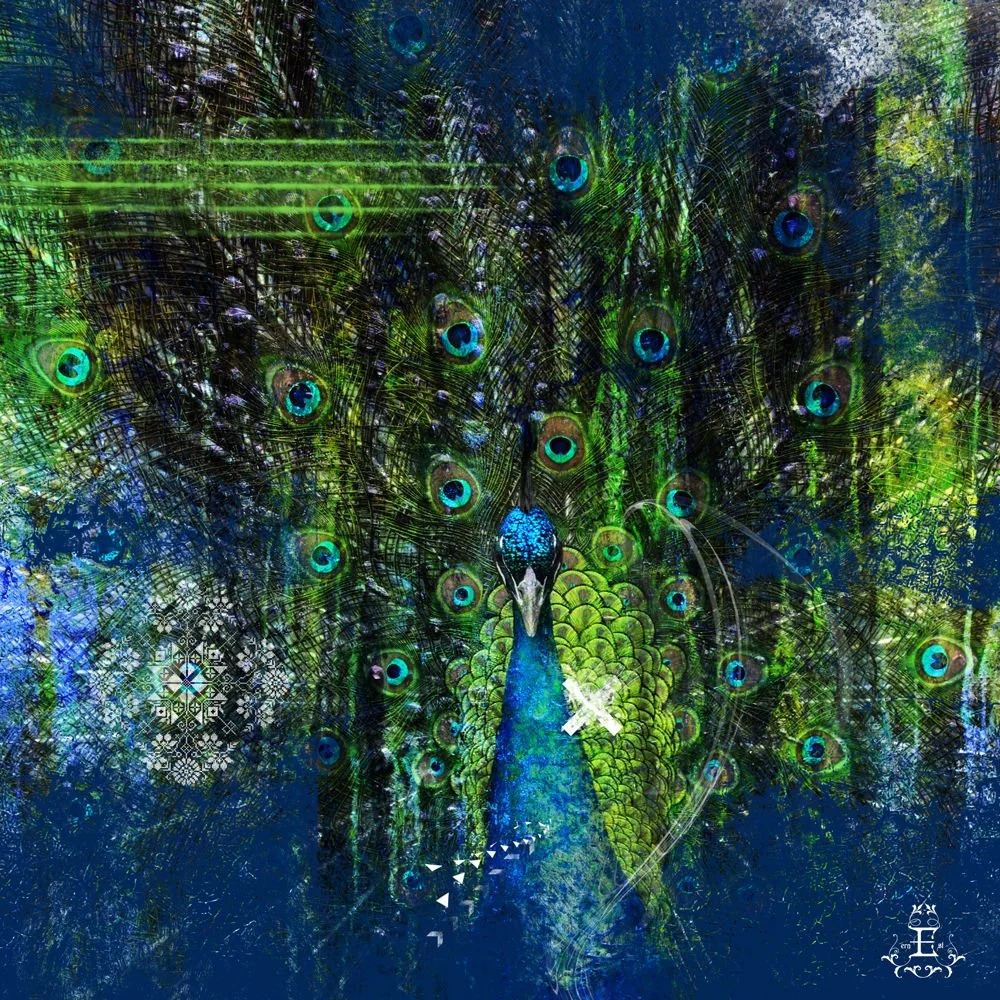
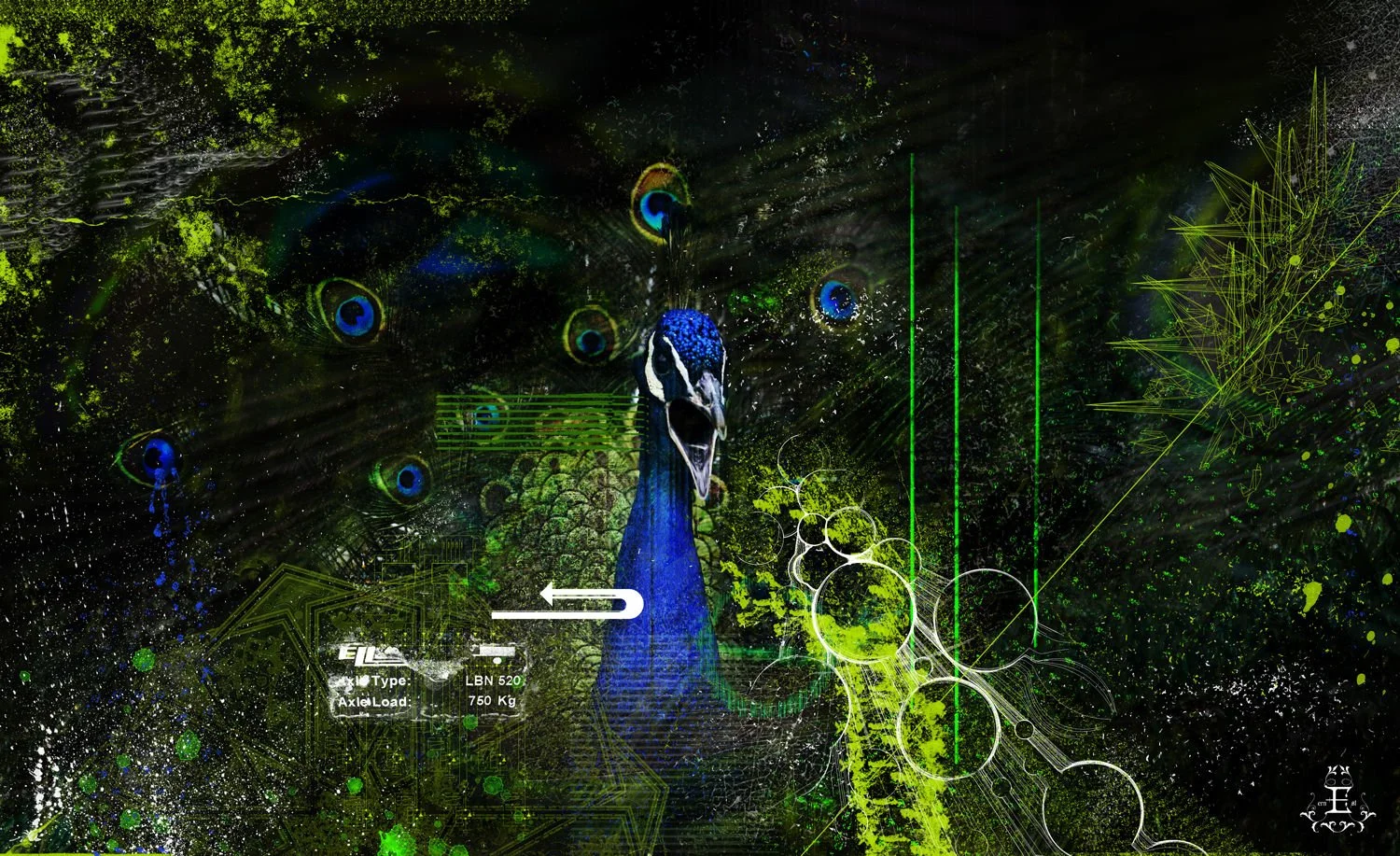
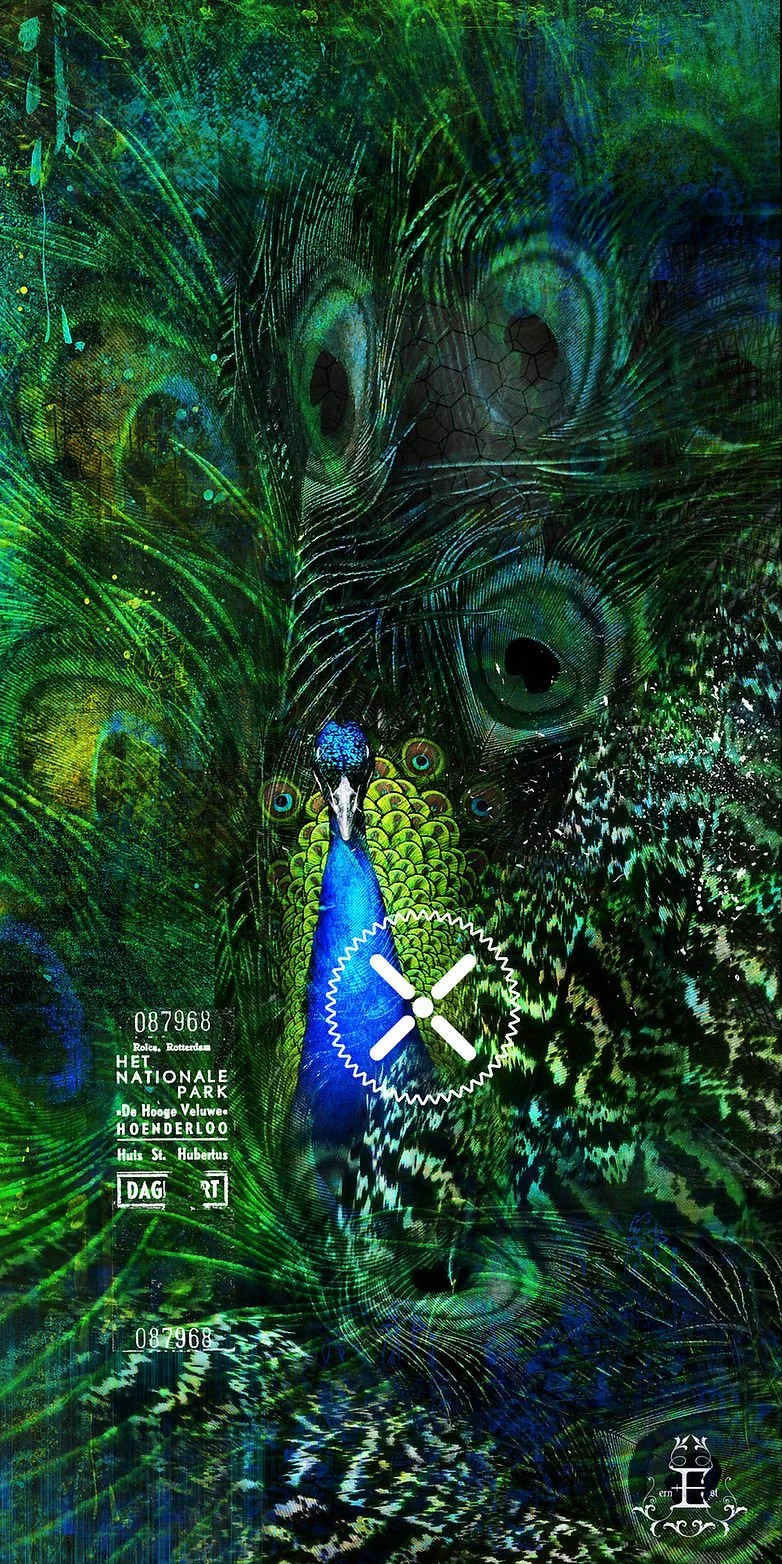
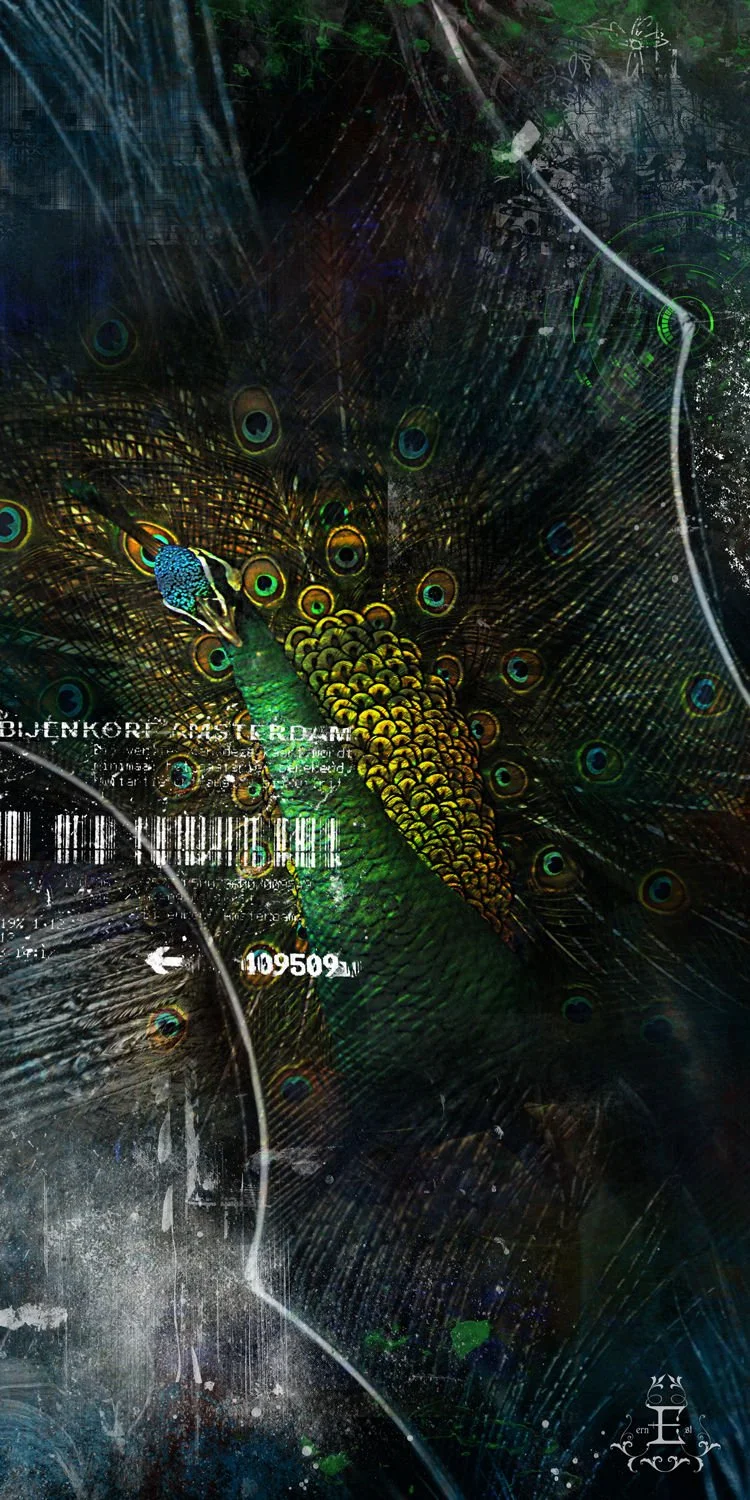
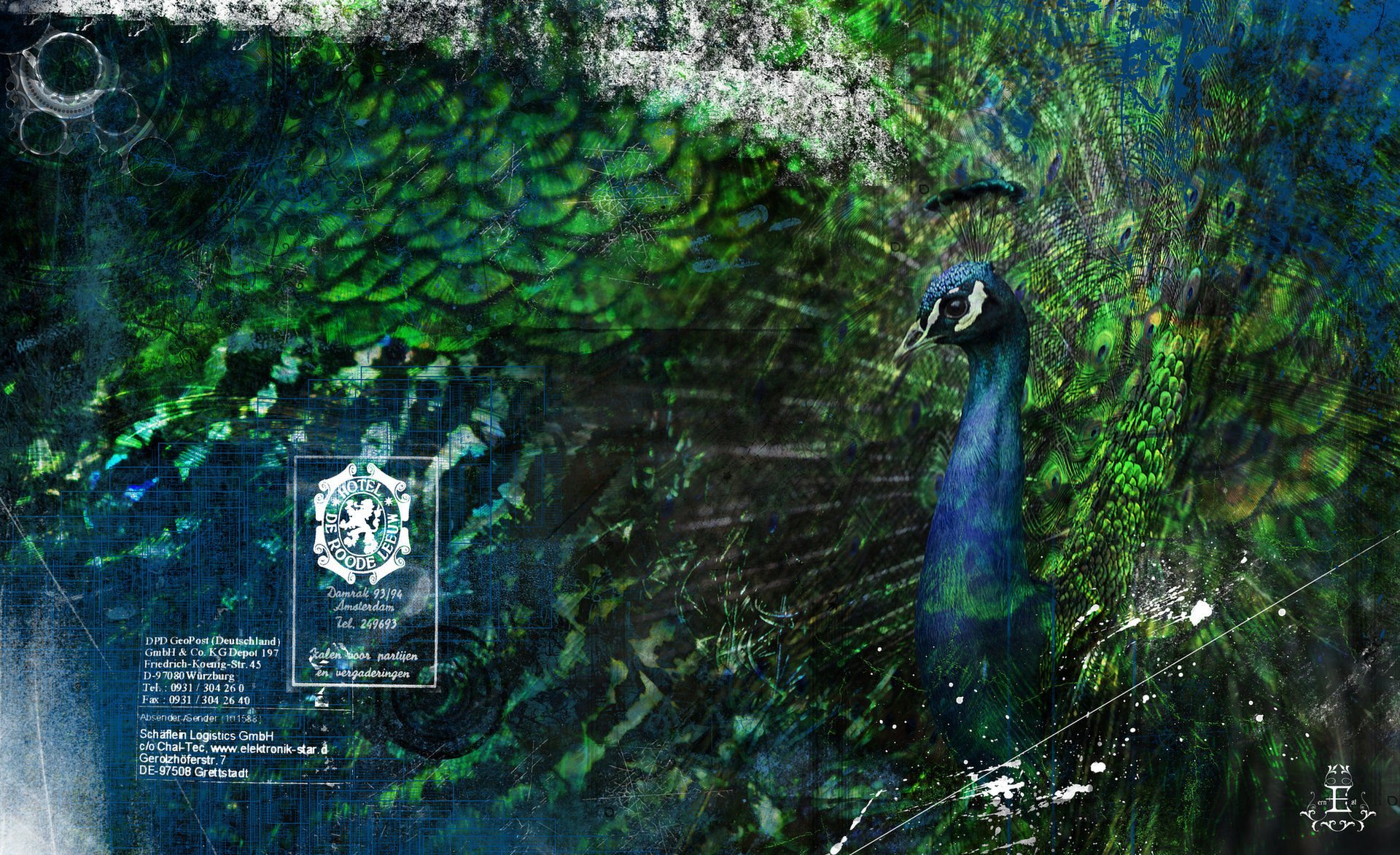
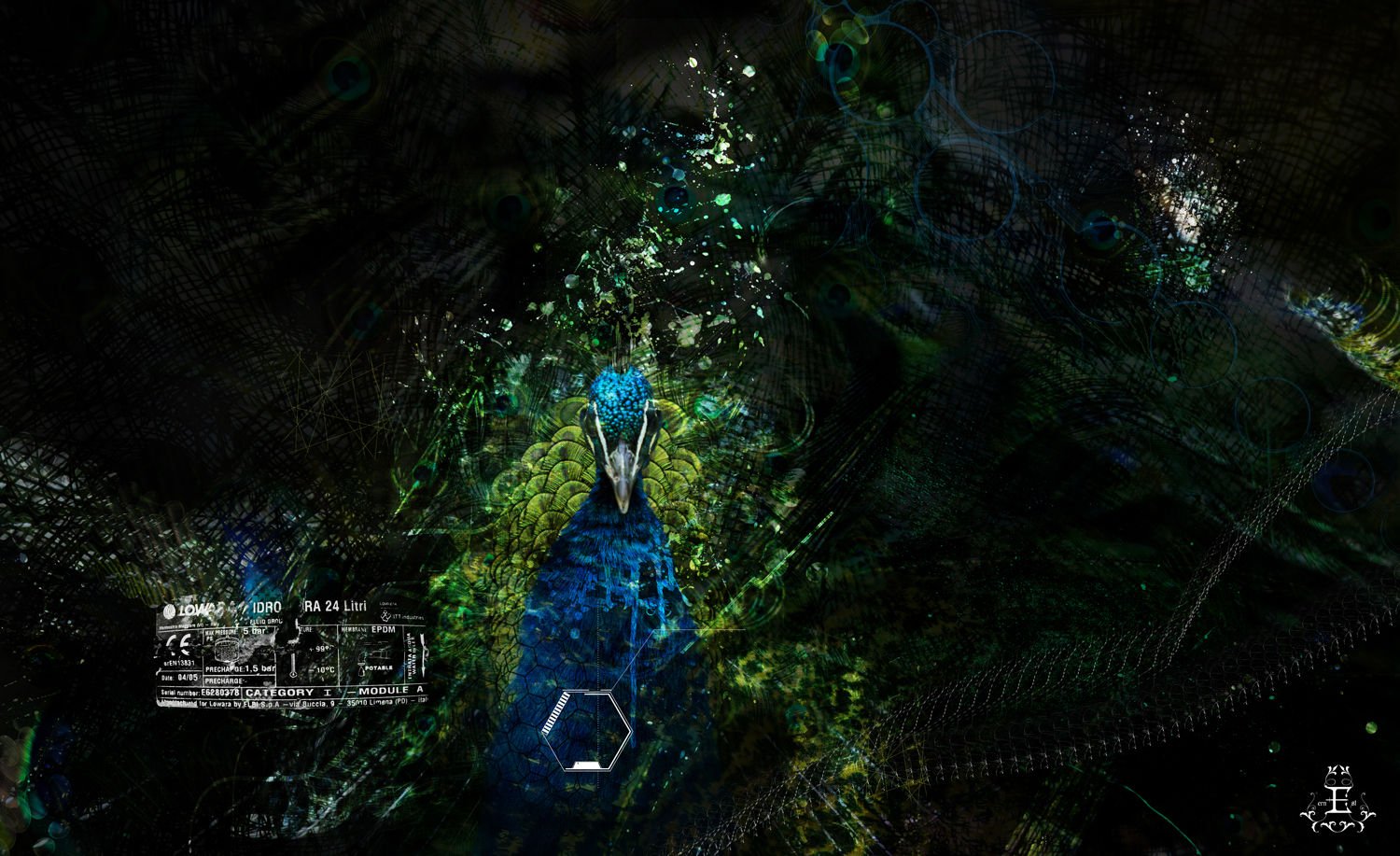
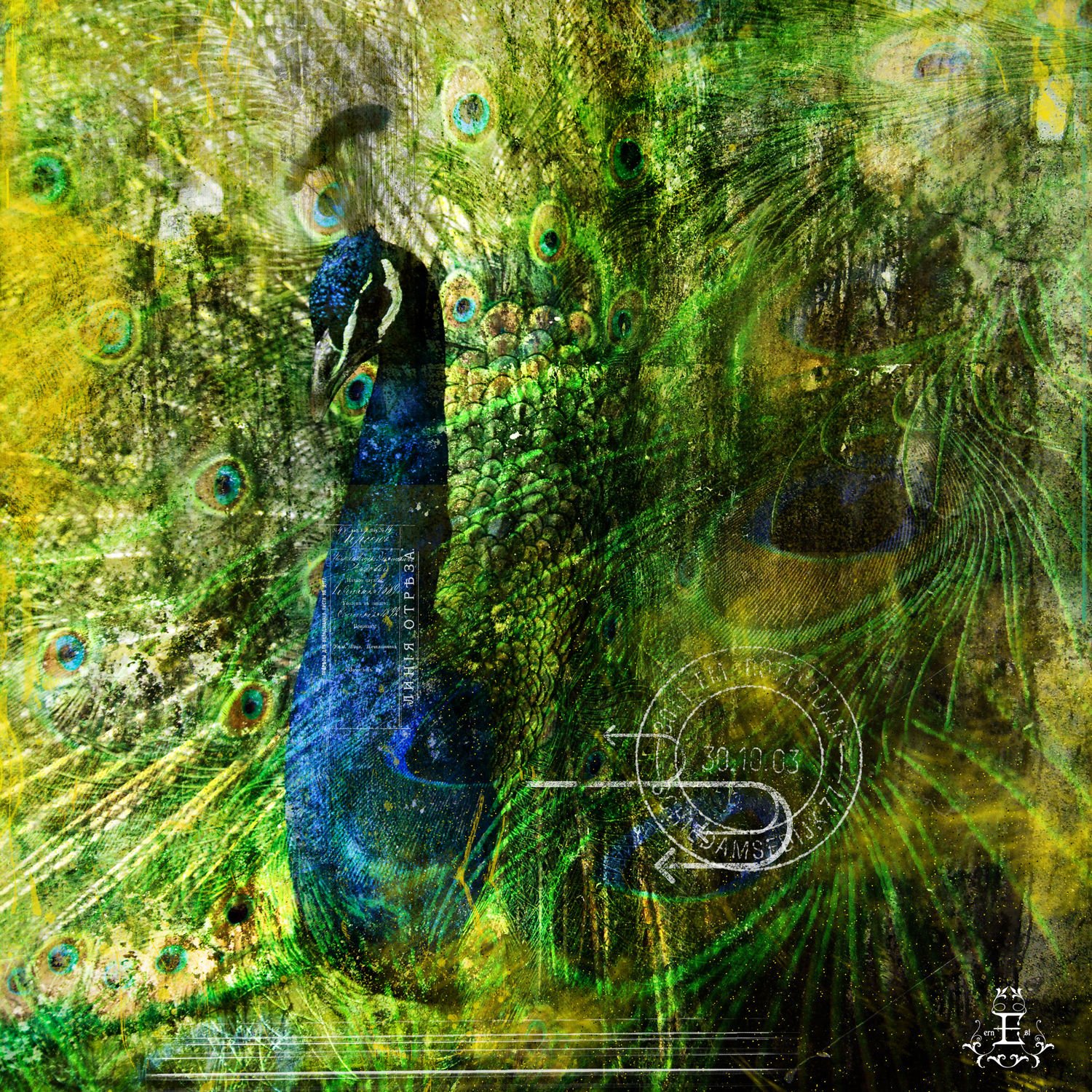
A Short Story to Peacock:More than 15 years ago, I bought my first professional camera, a Canon 5D Mark II. From that moment on, almost every Sunday morning led me to Schloss Eggenberg in Graz, with one specific goal: to capture a peacock in the magical moment when it spreads its feathers.
At that time, the shimmering blues and greens of the peacock had become a defining trend in interior and design culture. The elegance of these colors, the depth of the feathers, and their almost surreal beauty fascinated me so much that I wanted to create an entire art collection inspired by them.
Sunday after Sunday, I enjoyed the peaceful atmosphere of the palace gardens, the early morning light, and the quiet beauty of the park — yet the peacocks seemed completely unimpressed by my patience. They never opened their feathers.
Until one particular morning.
The moment I arrived, I saw a single peacock with its feathers fully spread. I dropped my bicycle, ran forward, and started shooting. Frame after frame. Moment after moment. And then something almost unreal happened: throughout that morning, nearly every peacock in the park displayed its magnificent plumage.
Within just a few hours, I captured nearly 1,000 photographs.
This art collection is a collage of the most powerful and captivating images from that extraordinary day — a fusion of patience, coincidence, and the breathtaking beauty of these animals.
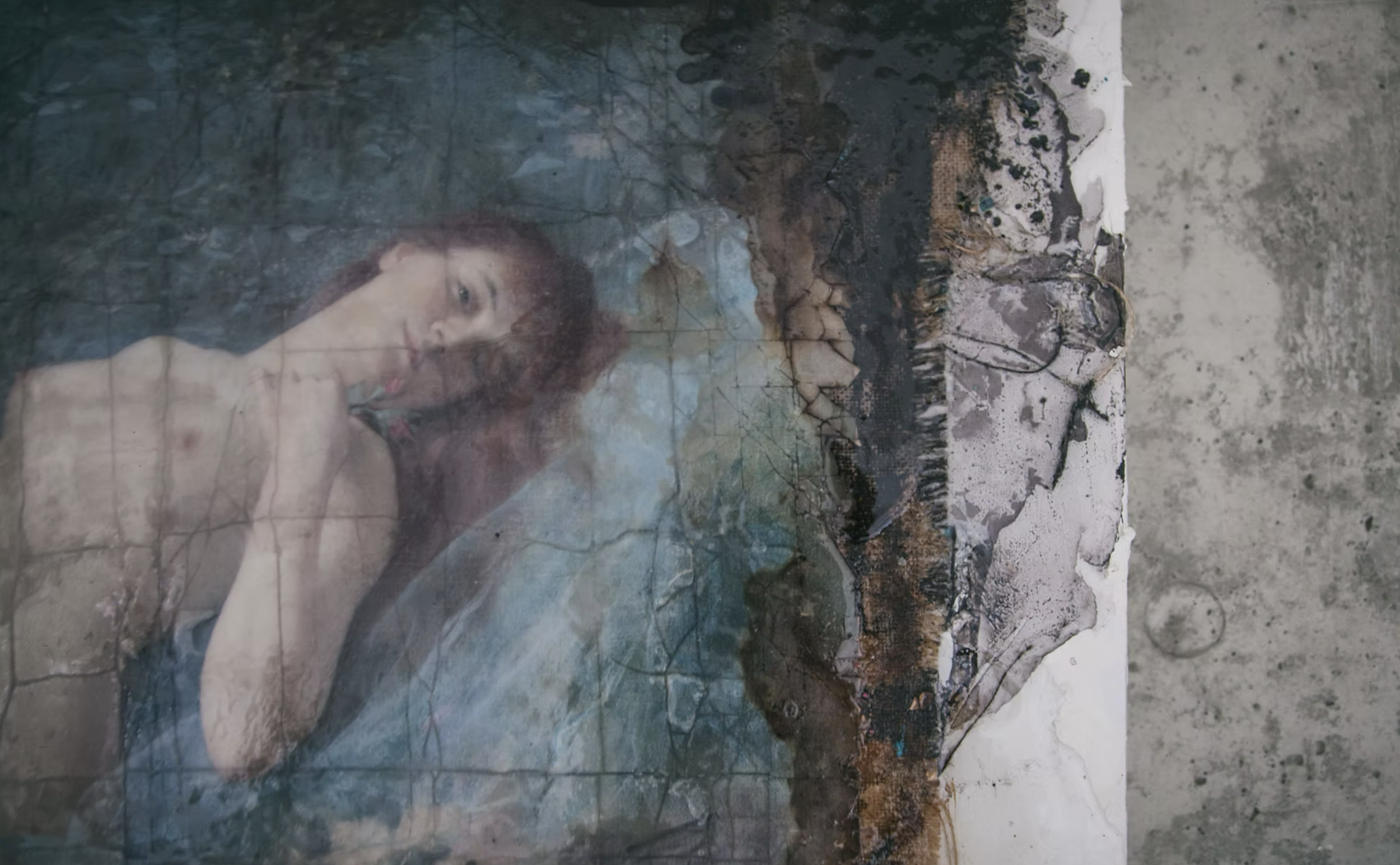
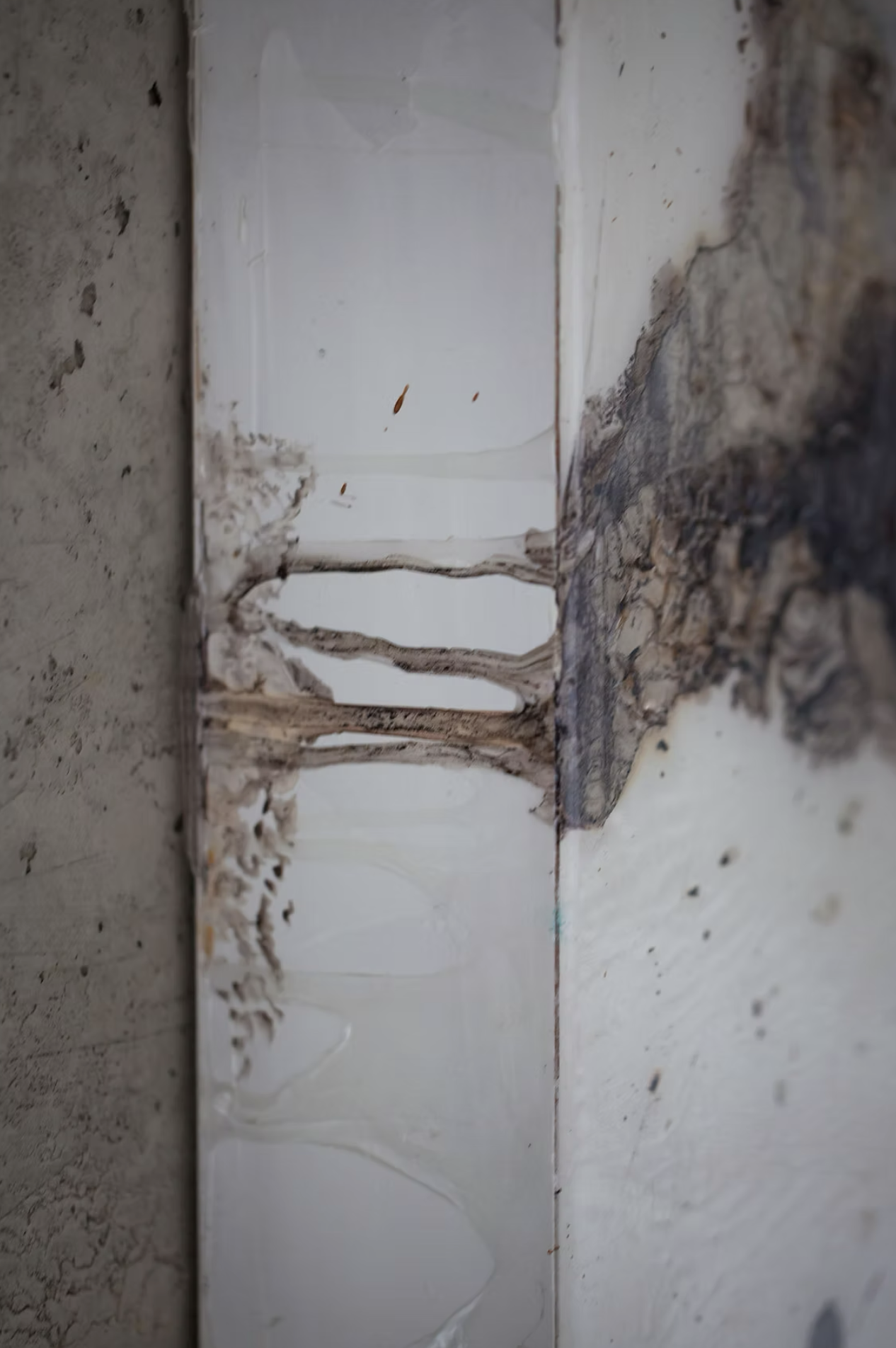
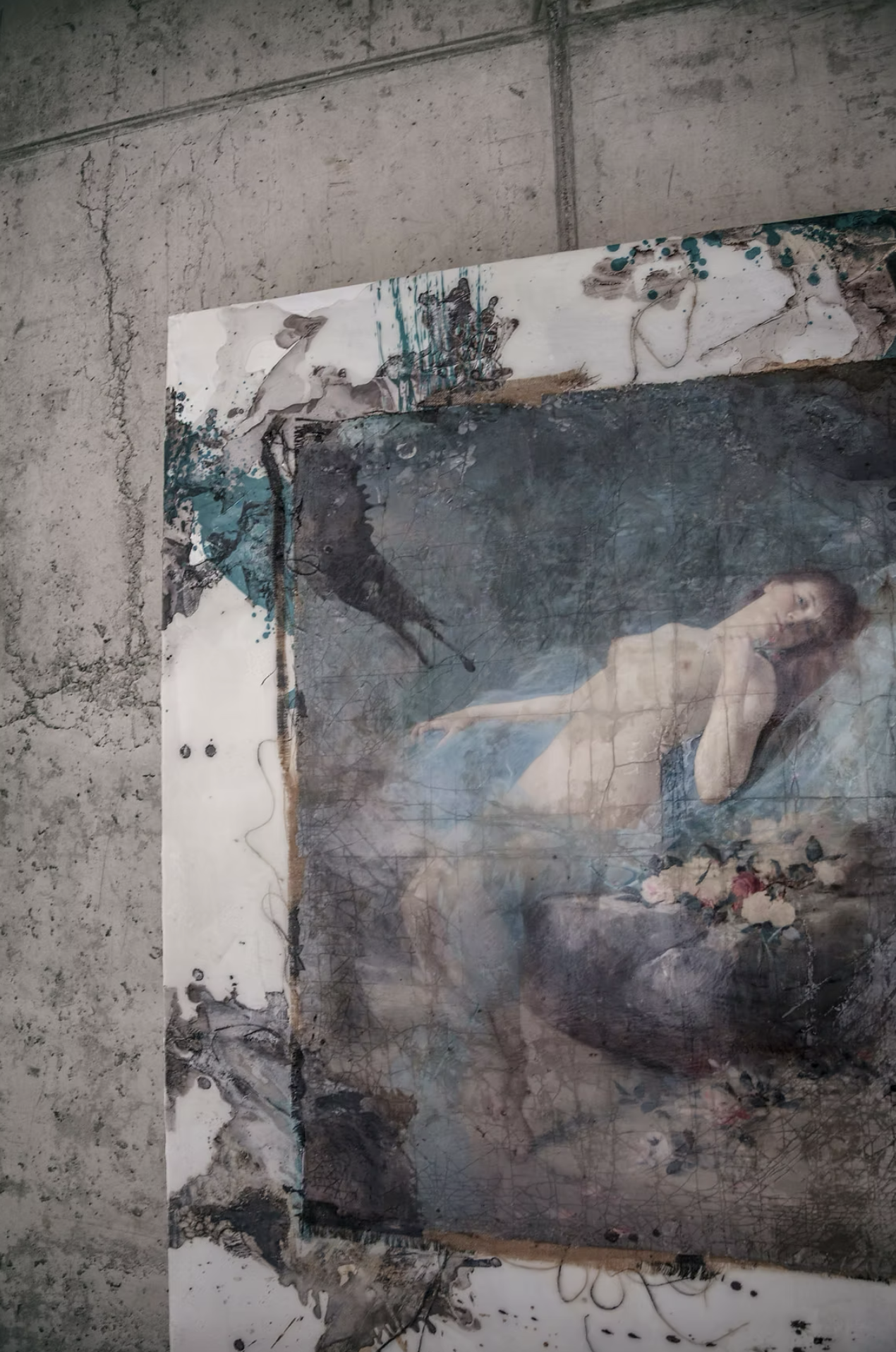
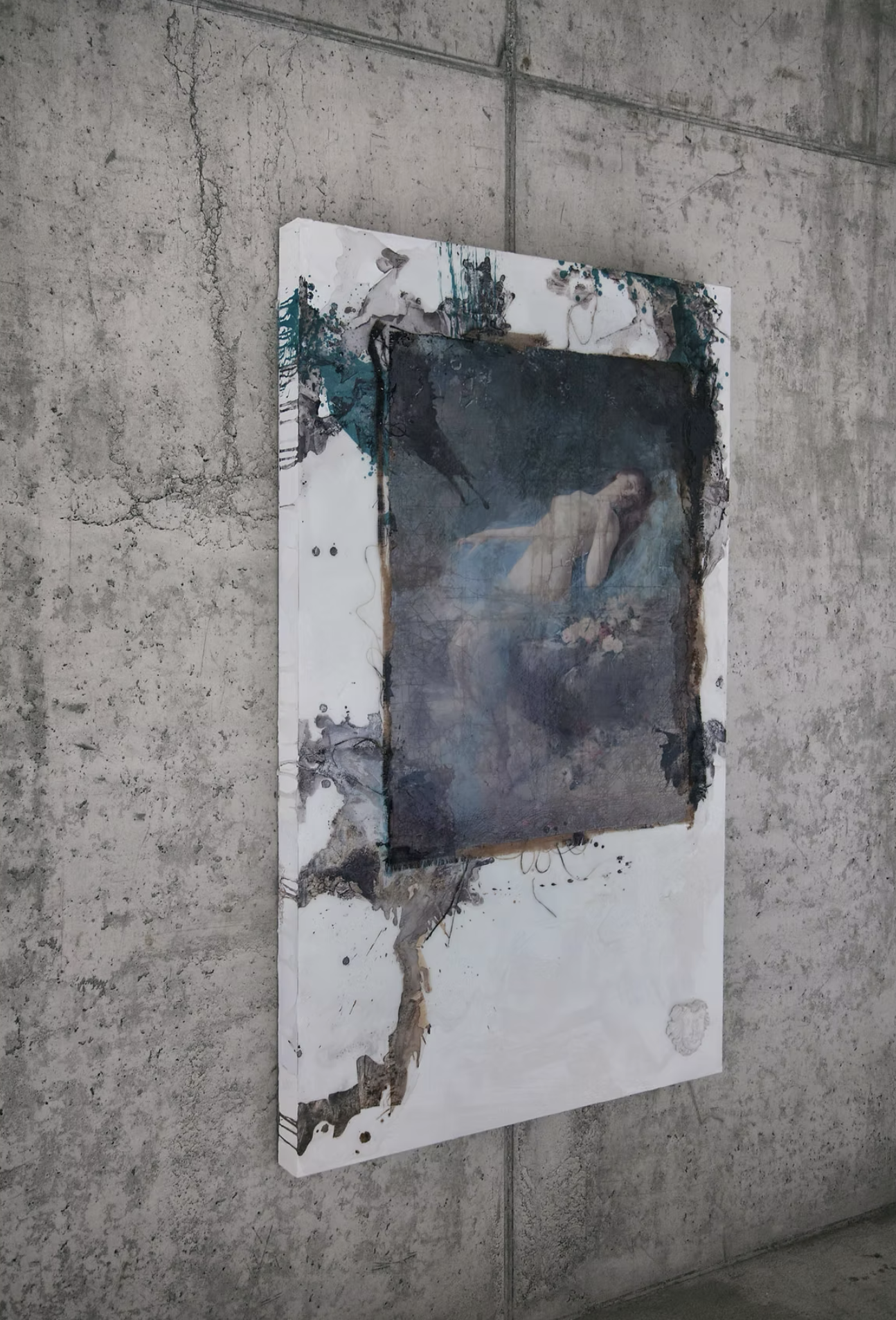
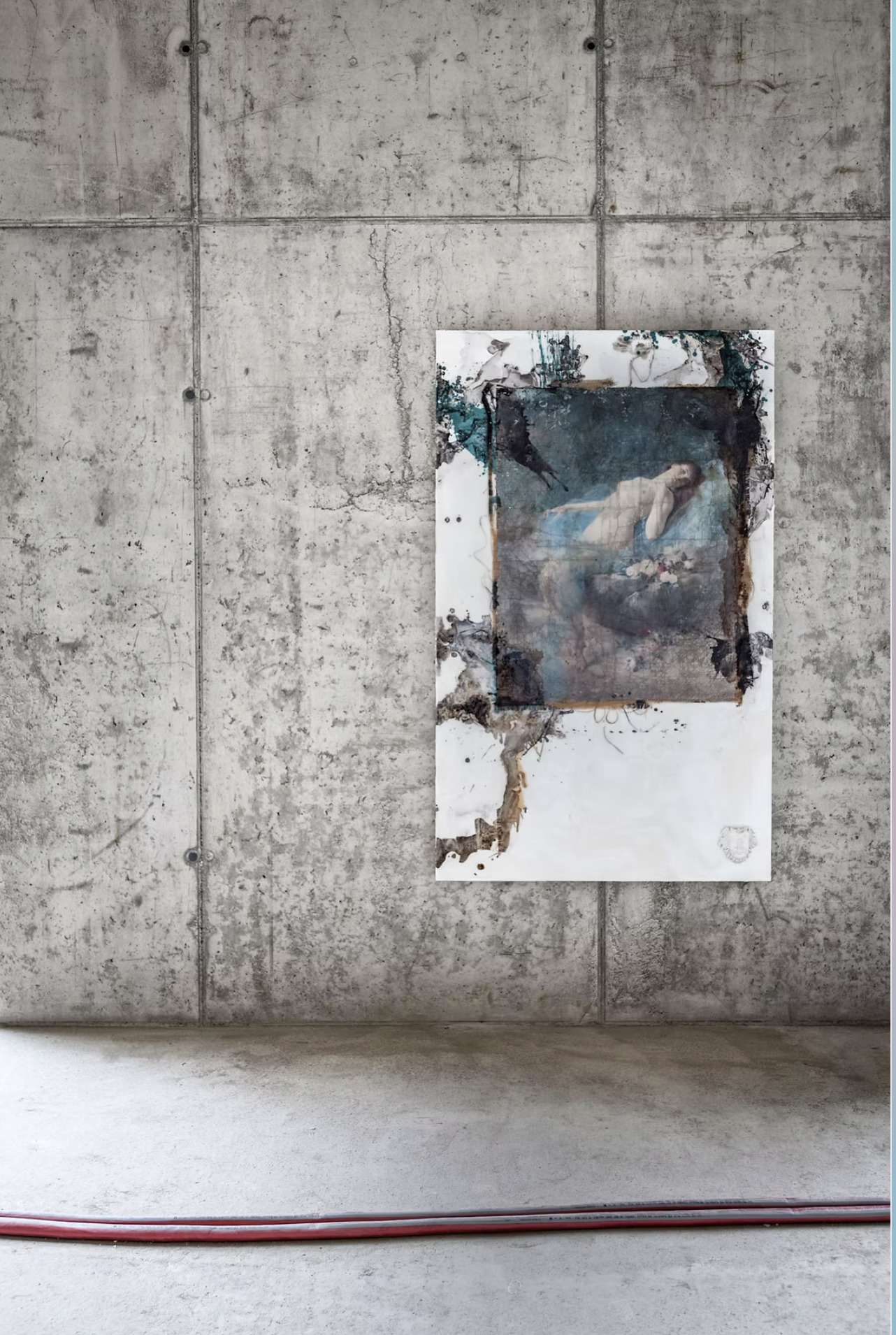
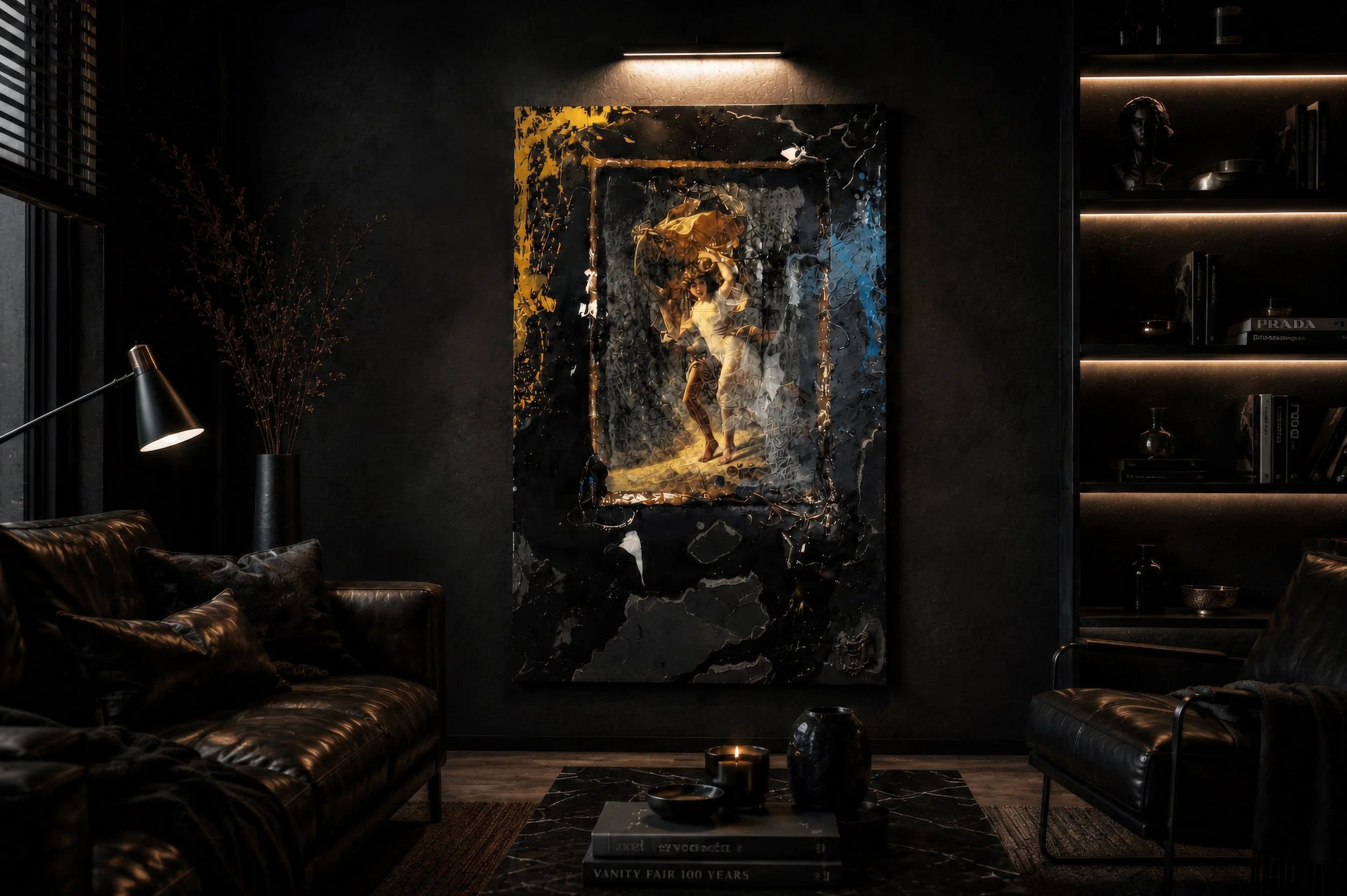
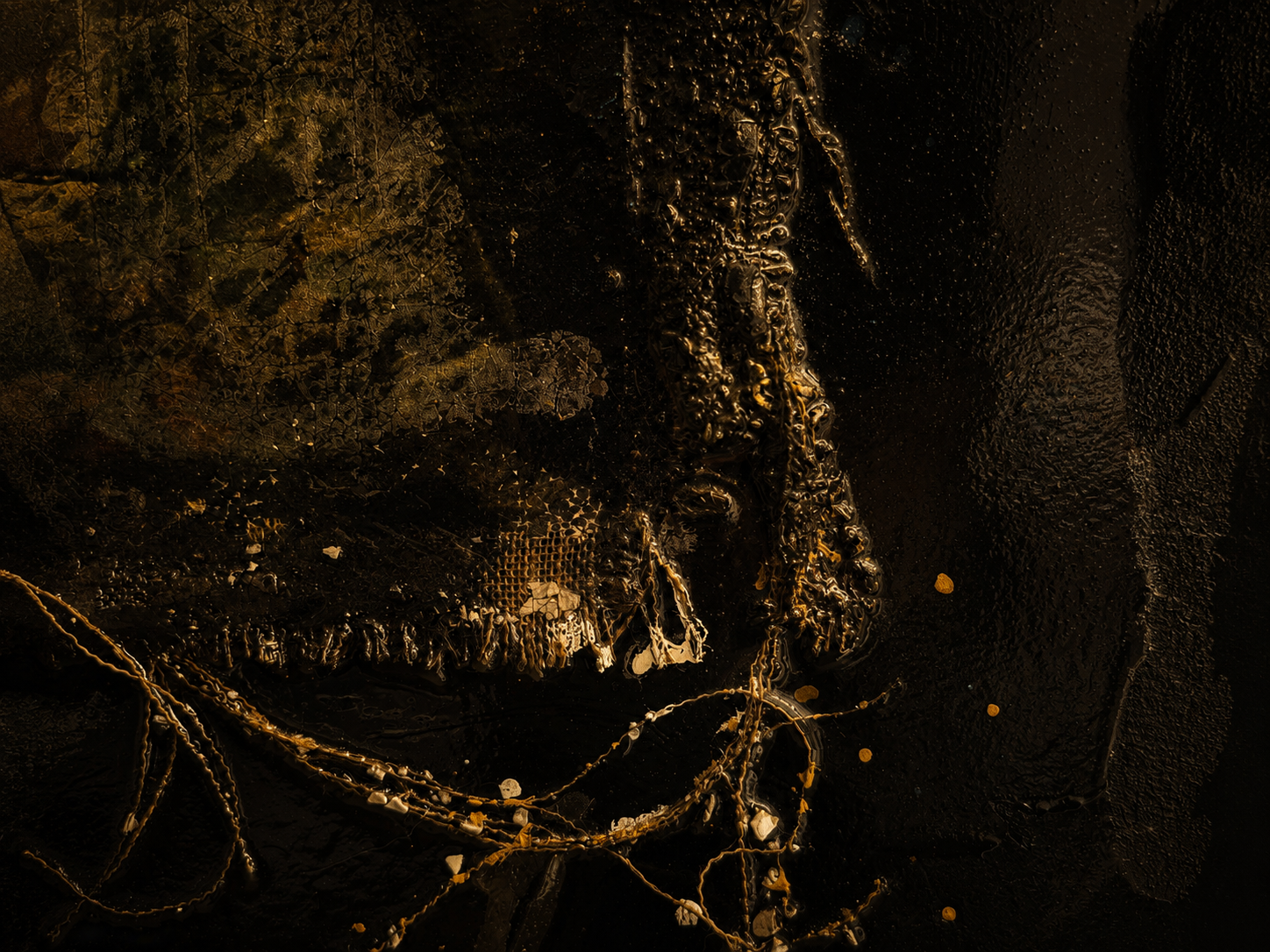
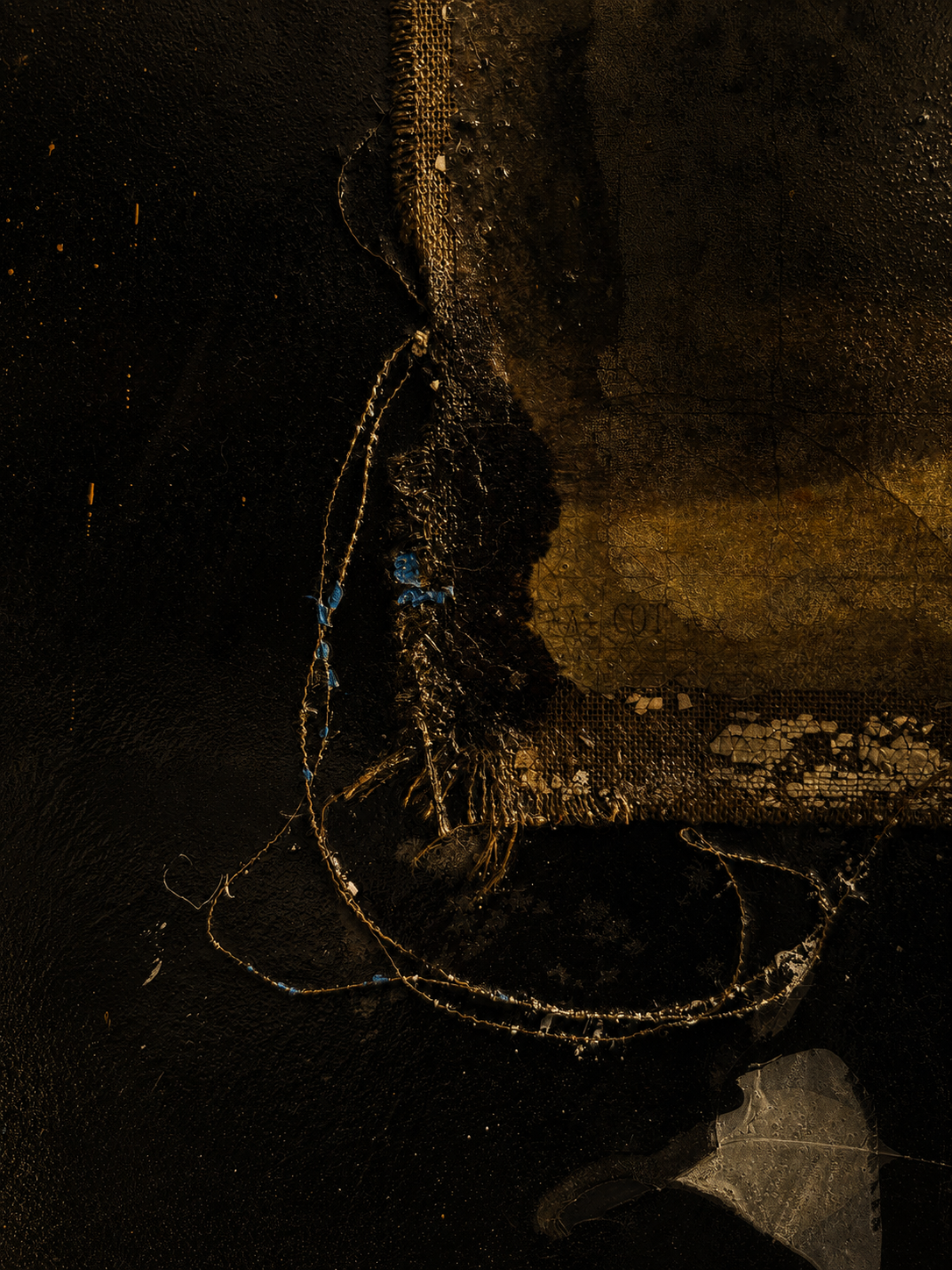
FRESCO
BAROQUE
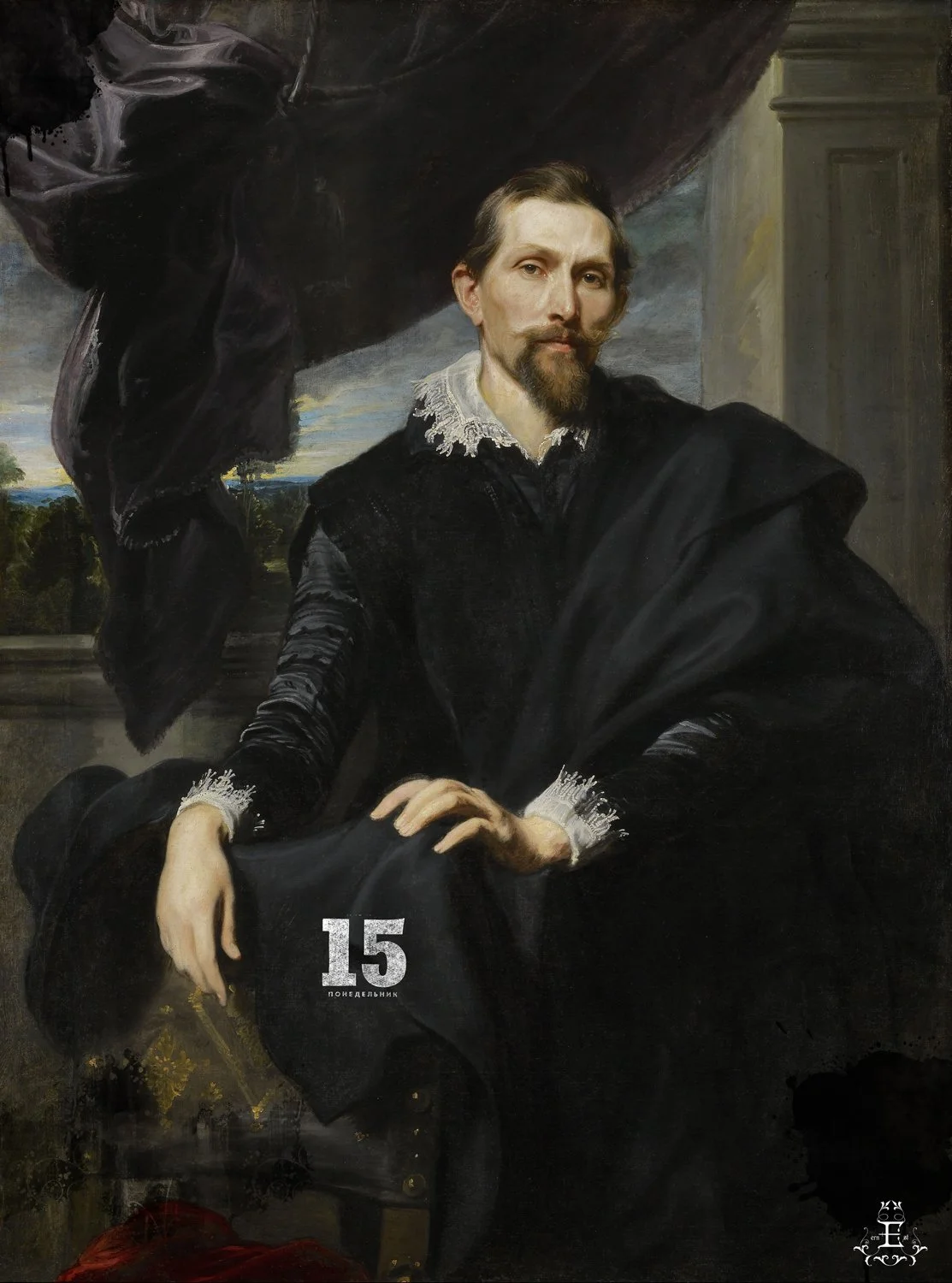
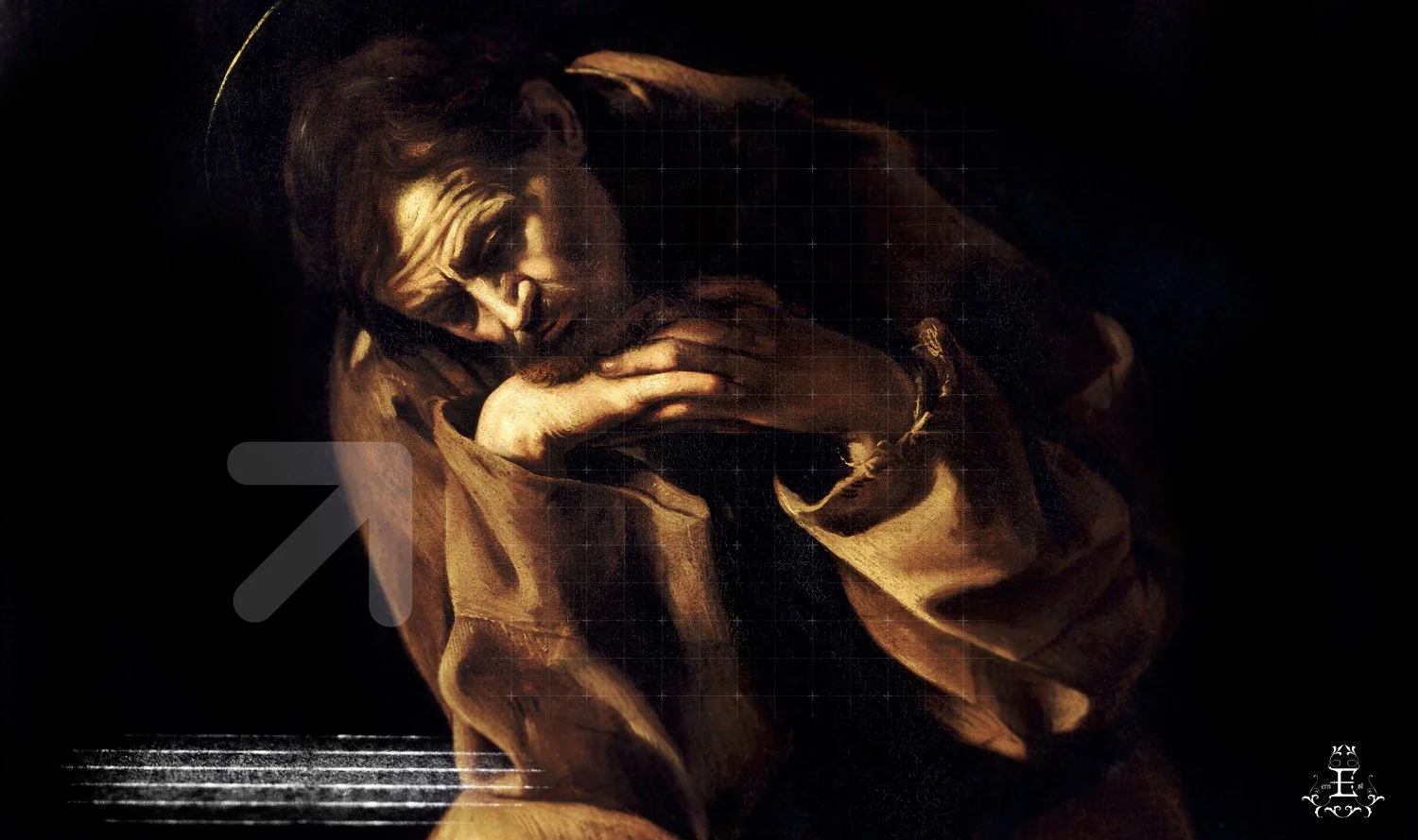
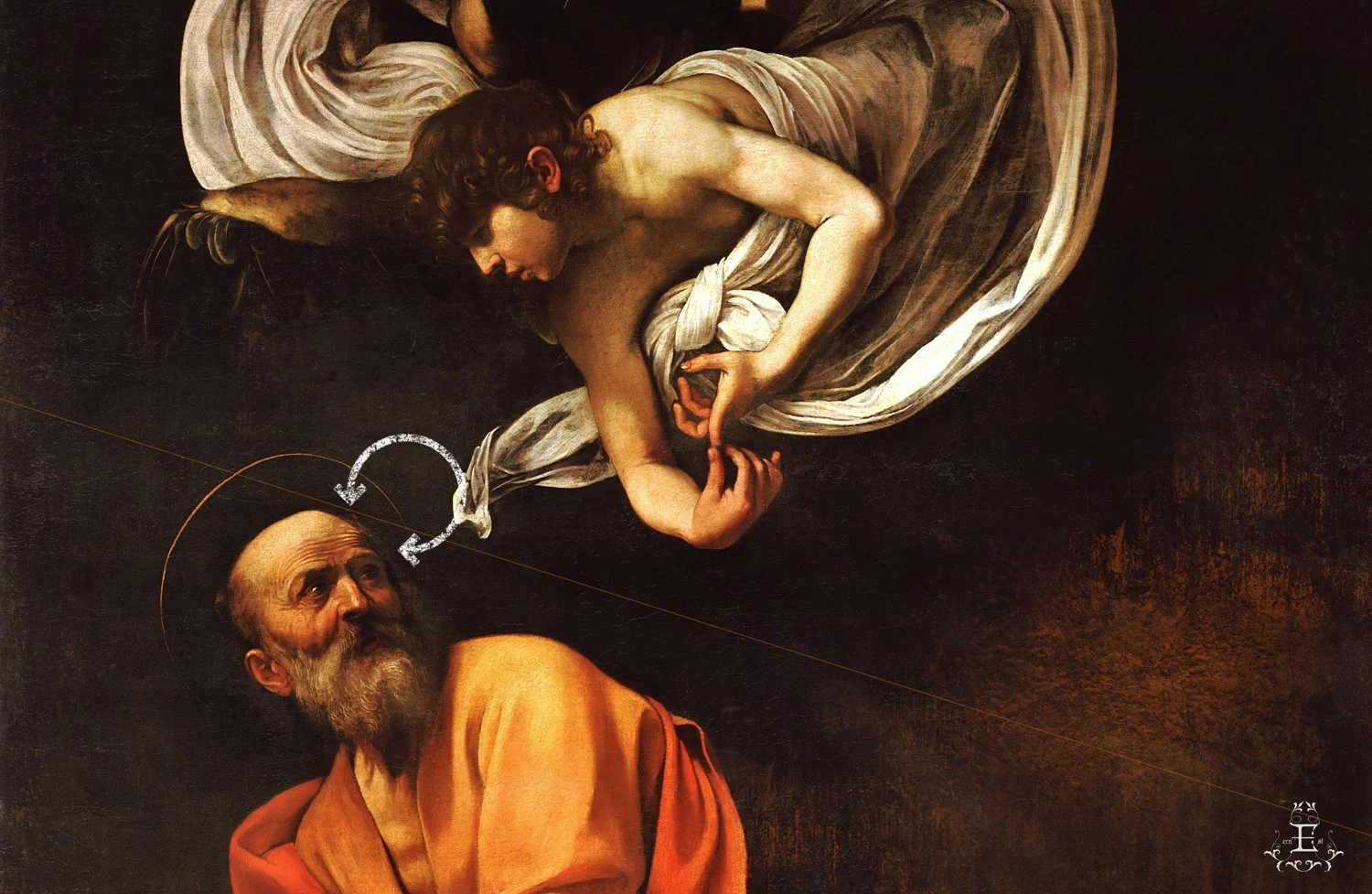
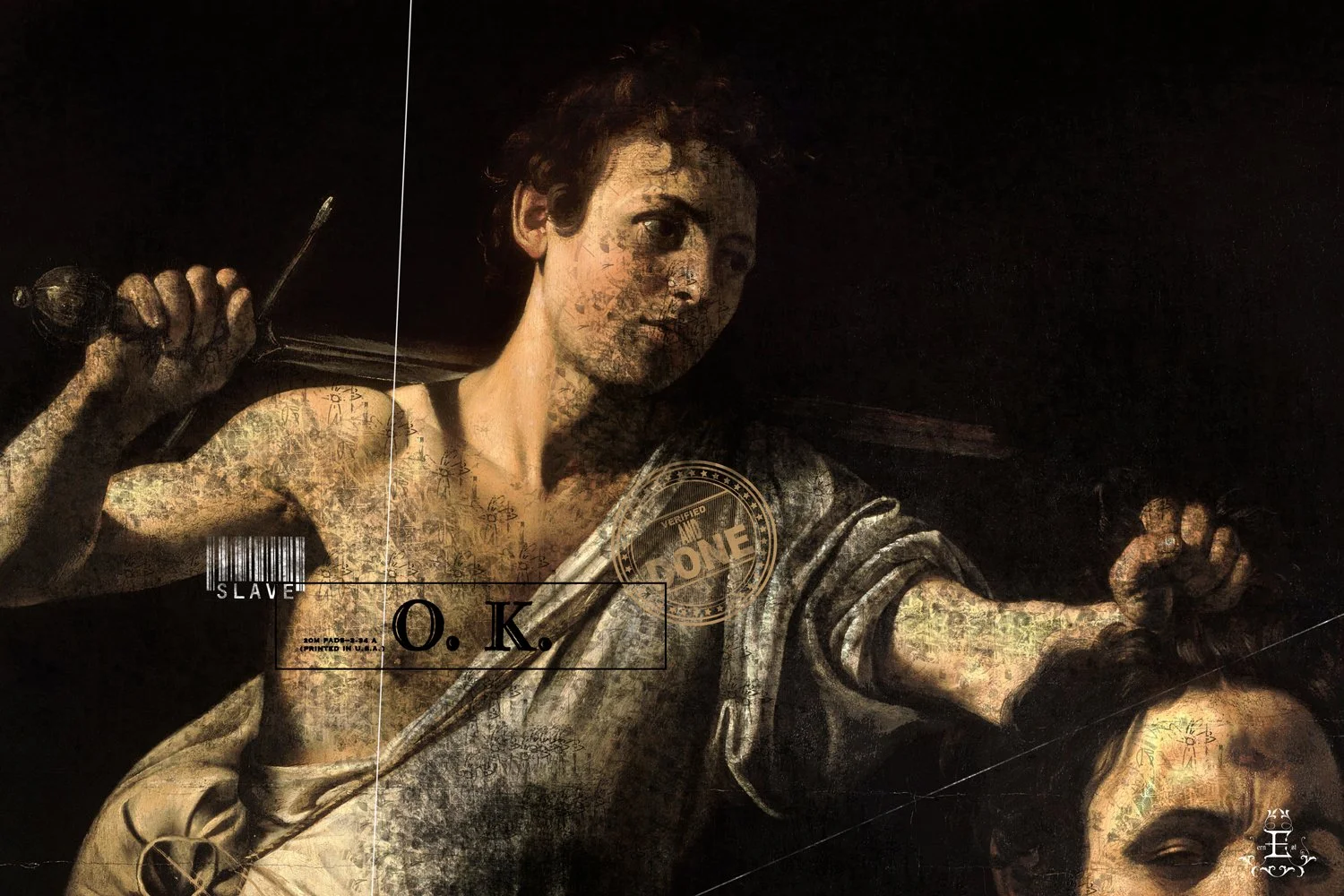
Baroque
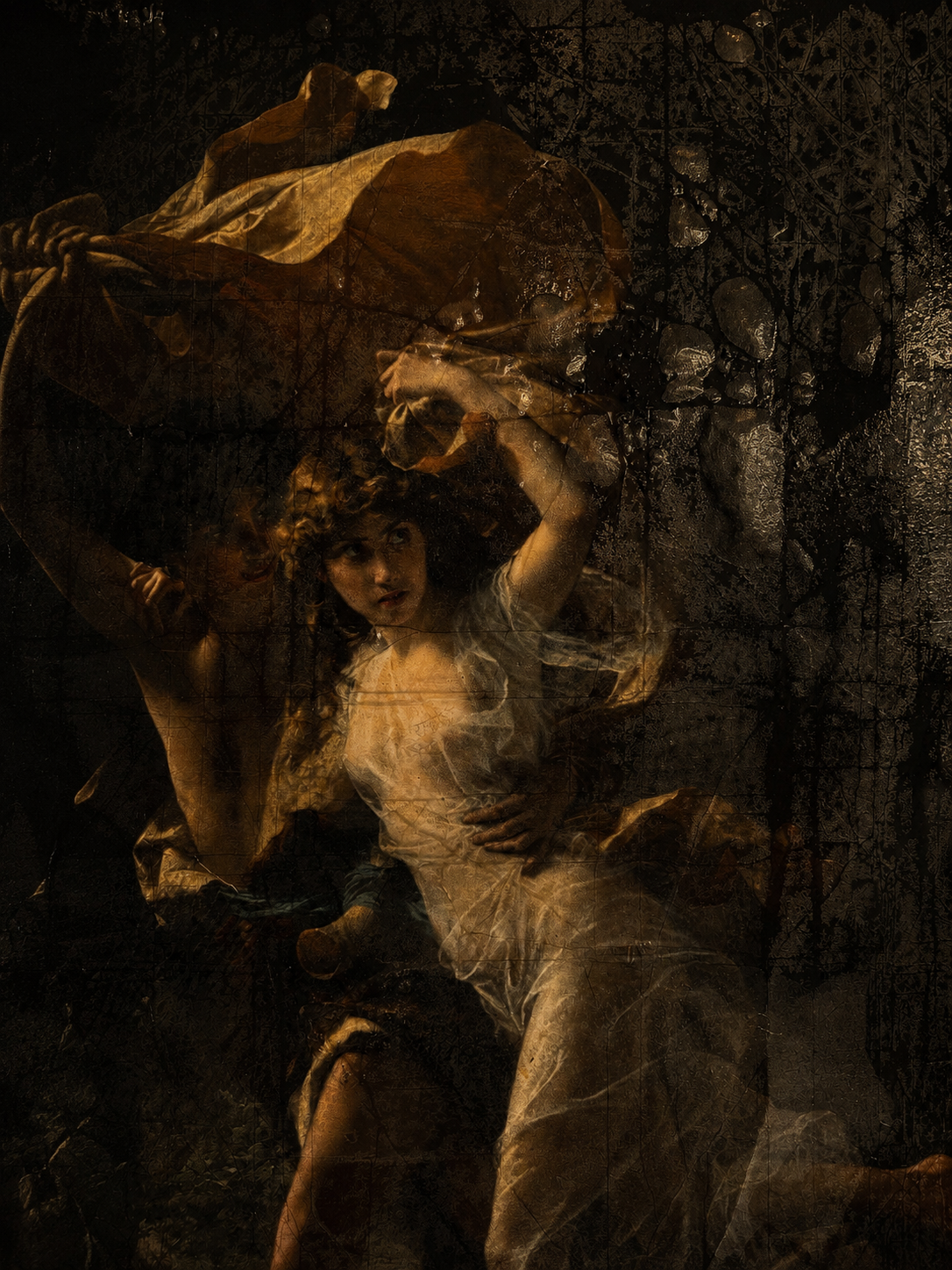
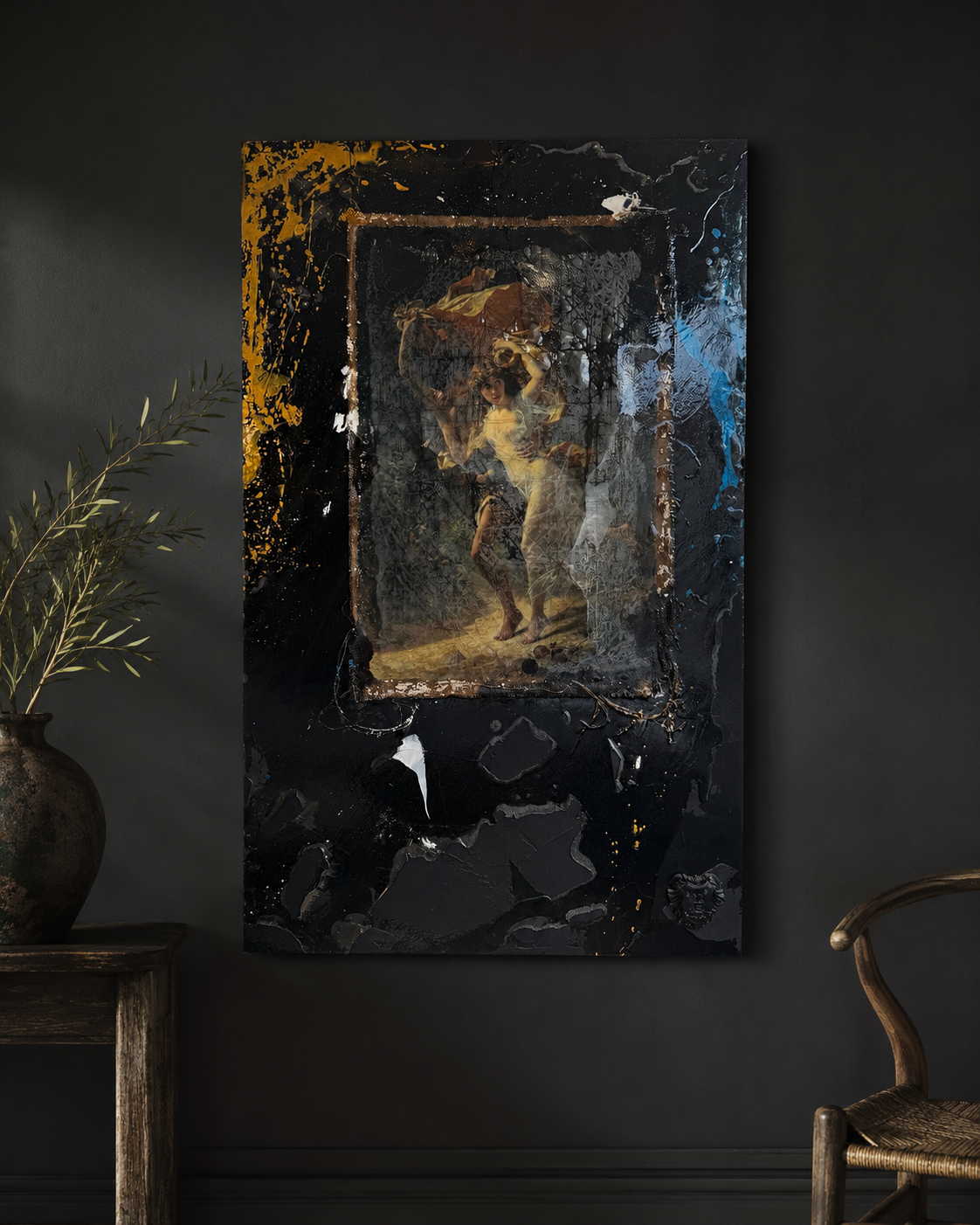
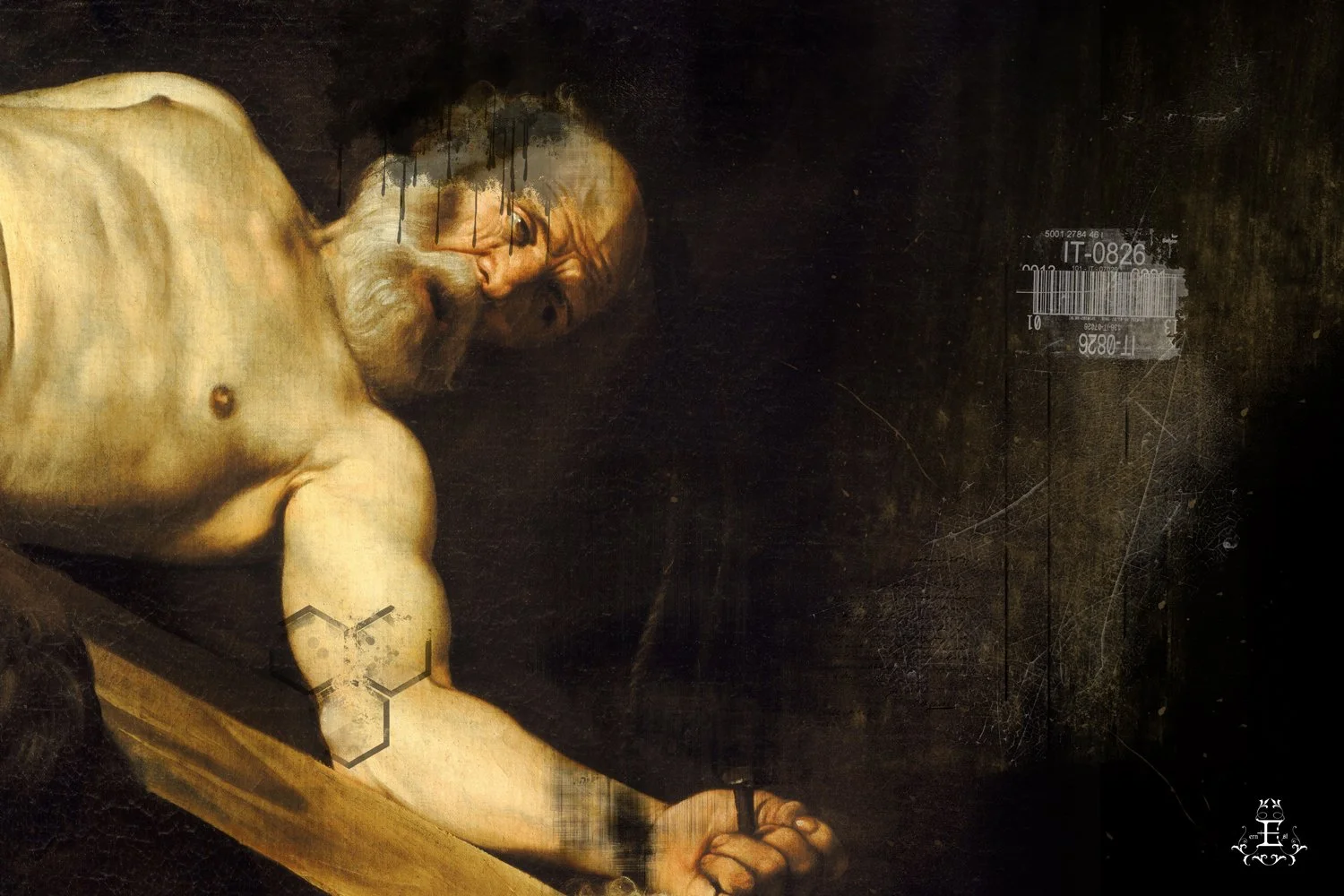
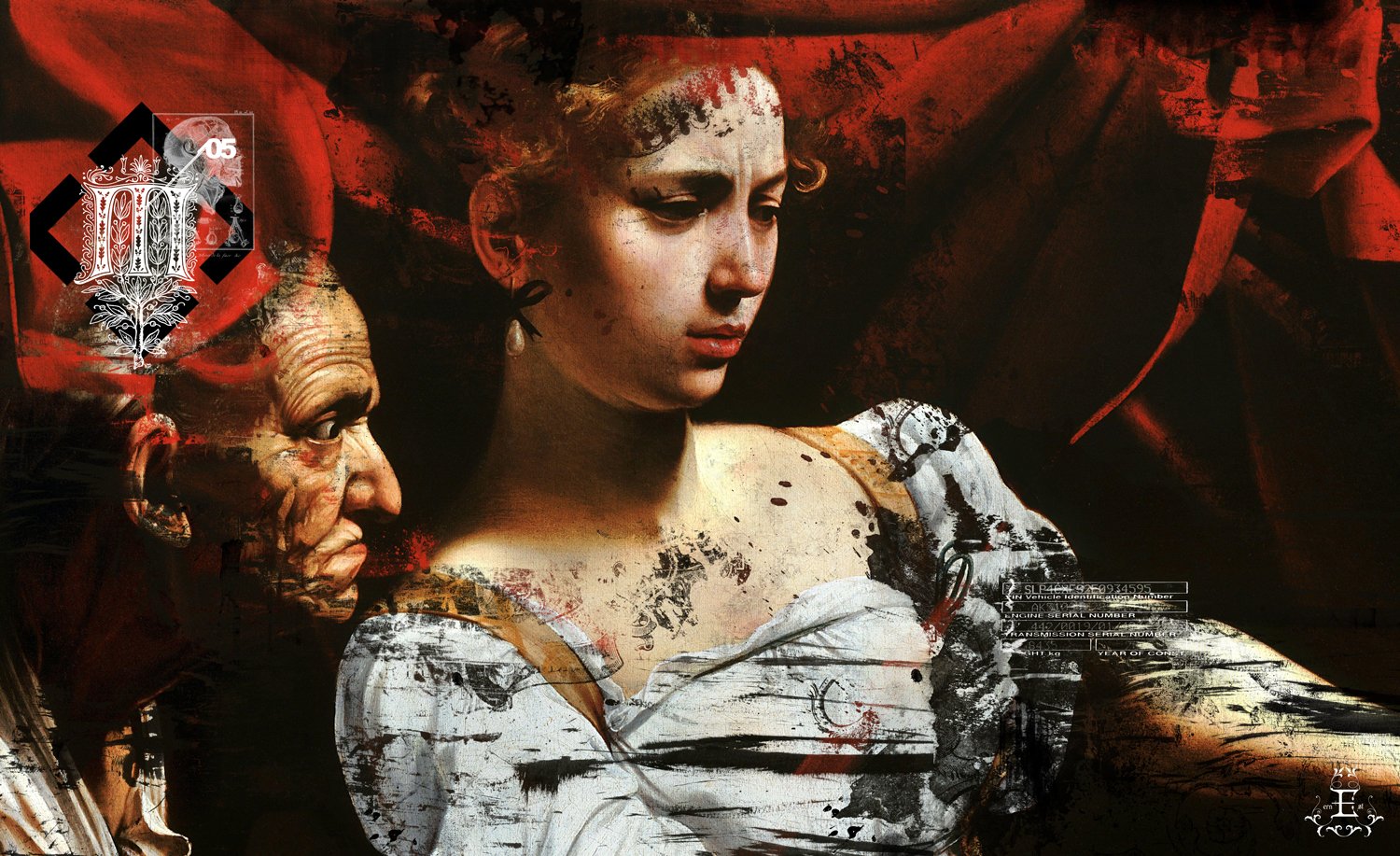
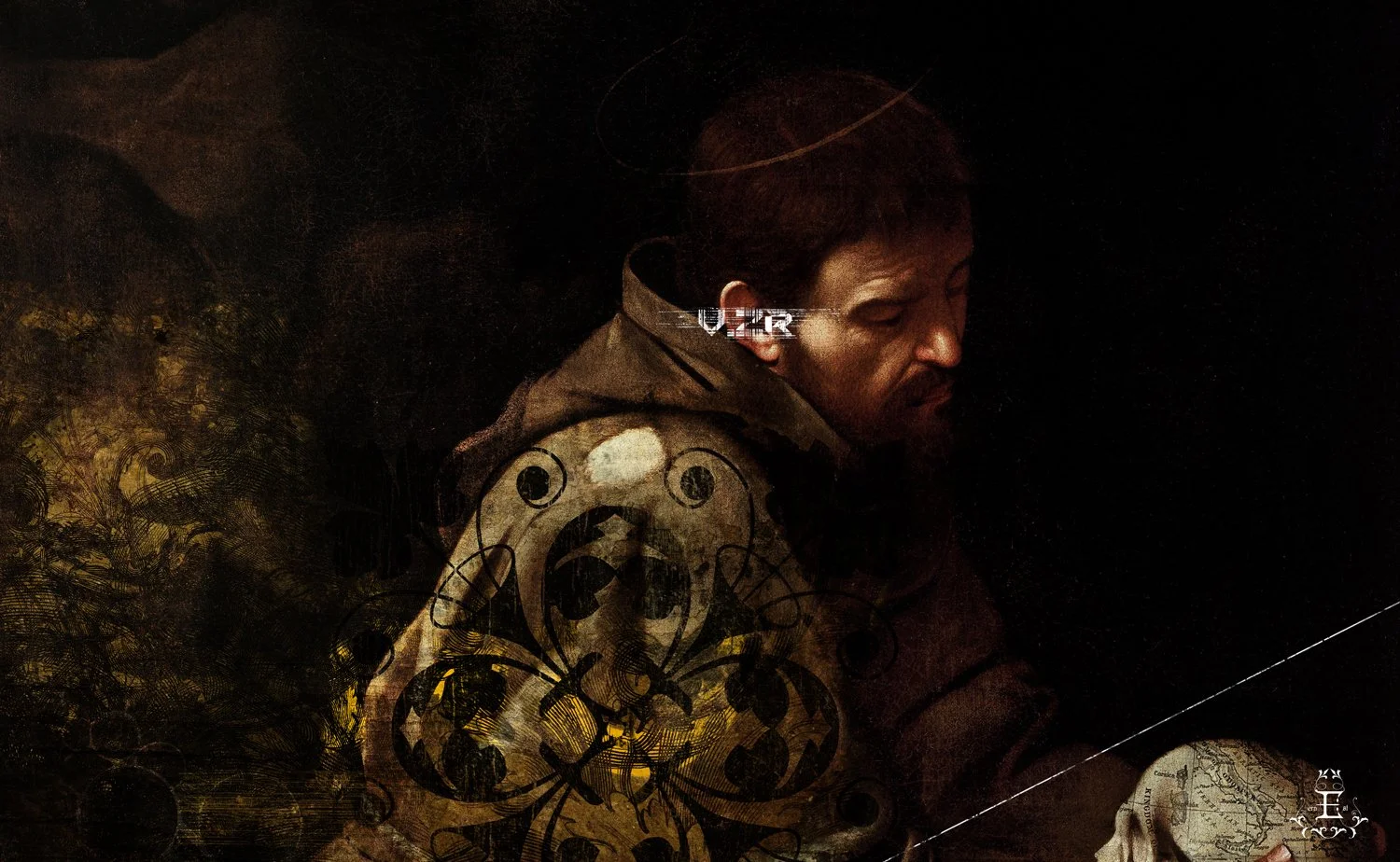
Classic as the Highest DisciplineI come from a background in classical interior design. I grew up surrounded by style and period furniture—and through my father, I learned early on what truly defines good interiors: proportion, material, a sense of calm, and an instinct for what endures.
To this day, classical design remains the highest discipline for me. Not because it is traditional, but because it has substance.
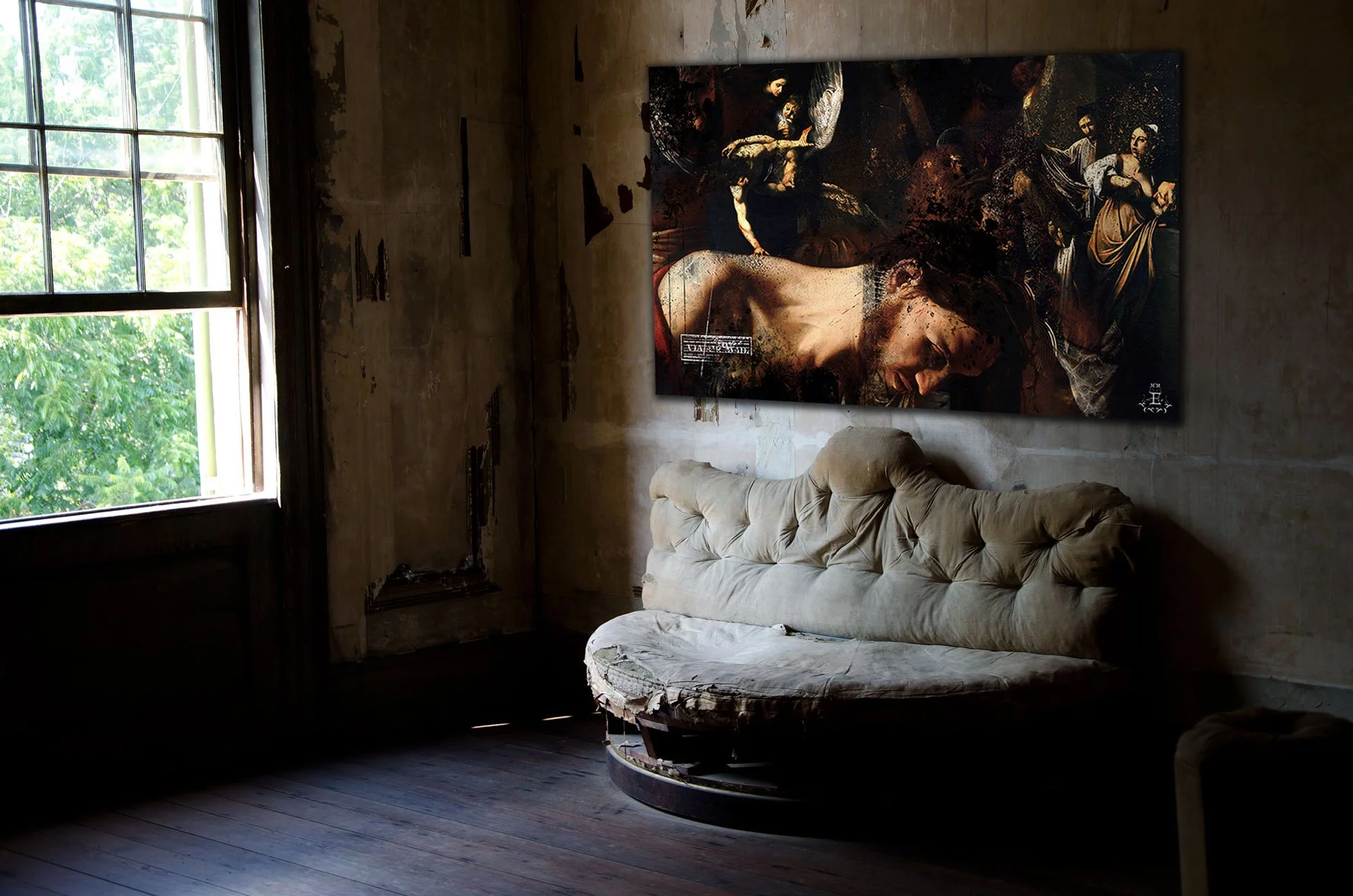
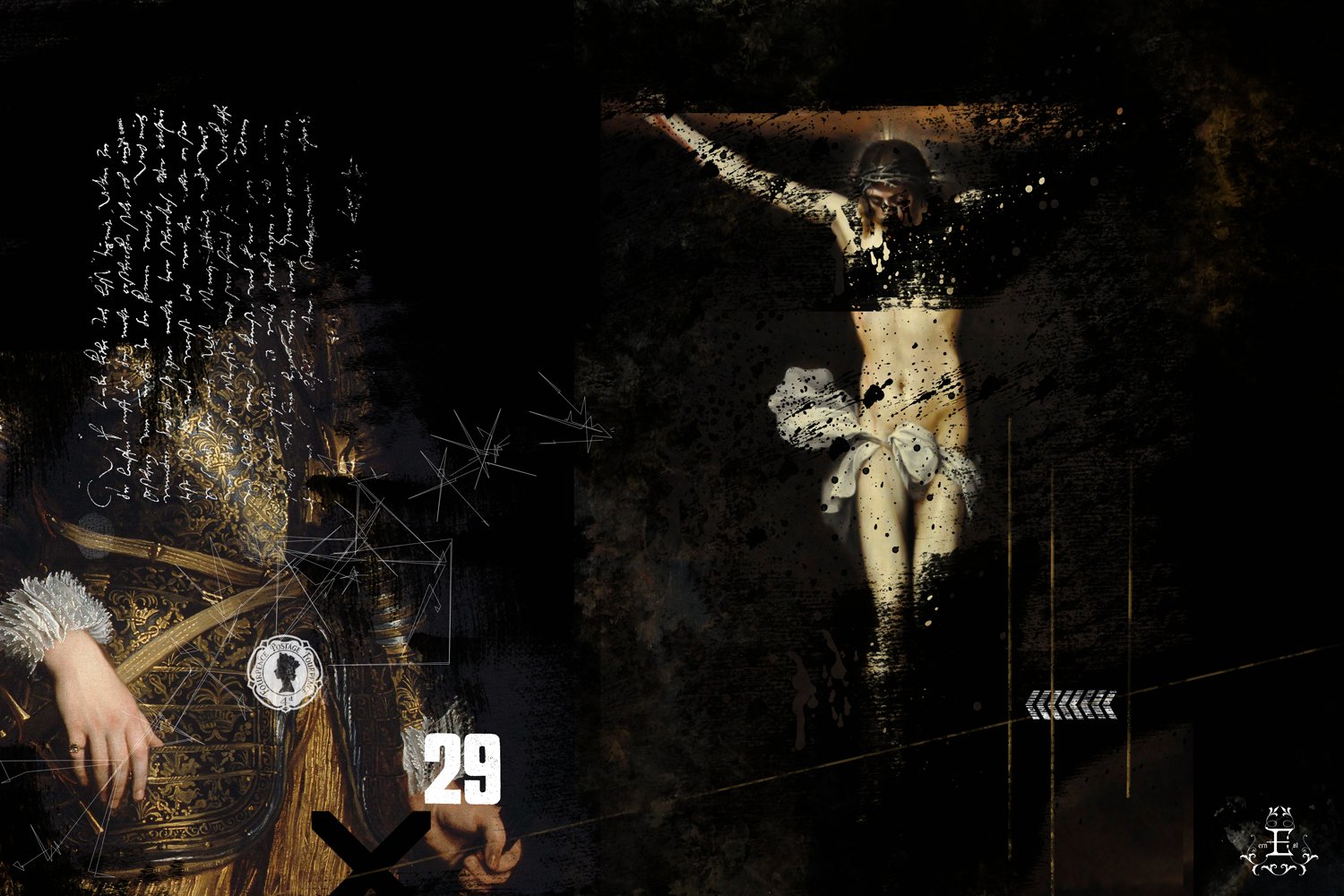
I find this same attitude in the works of the Old Masters. Their paintings are powerful, emotional, and timeless—they lose none of their impact.
This collection was created many years ago. At the time, it was my way of rethinking the classical: a reinterpretation using modern materials, without losing its origins.
And that is precisely why it still feels relevant today. It sits at the pulse of our time—perhaps even at its very bloodstream.
Between past and present, something independent emerges: spaces with character, depth, and personality.
POLYGON
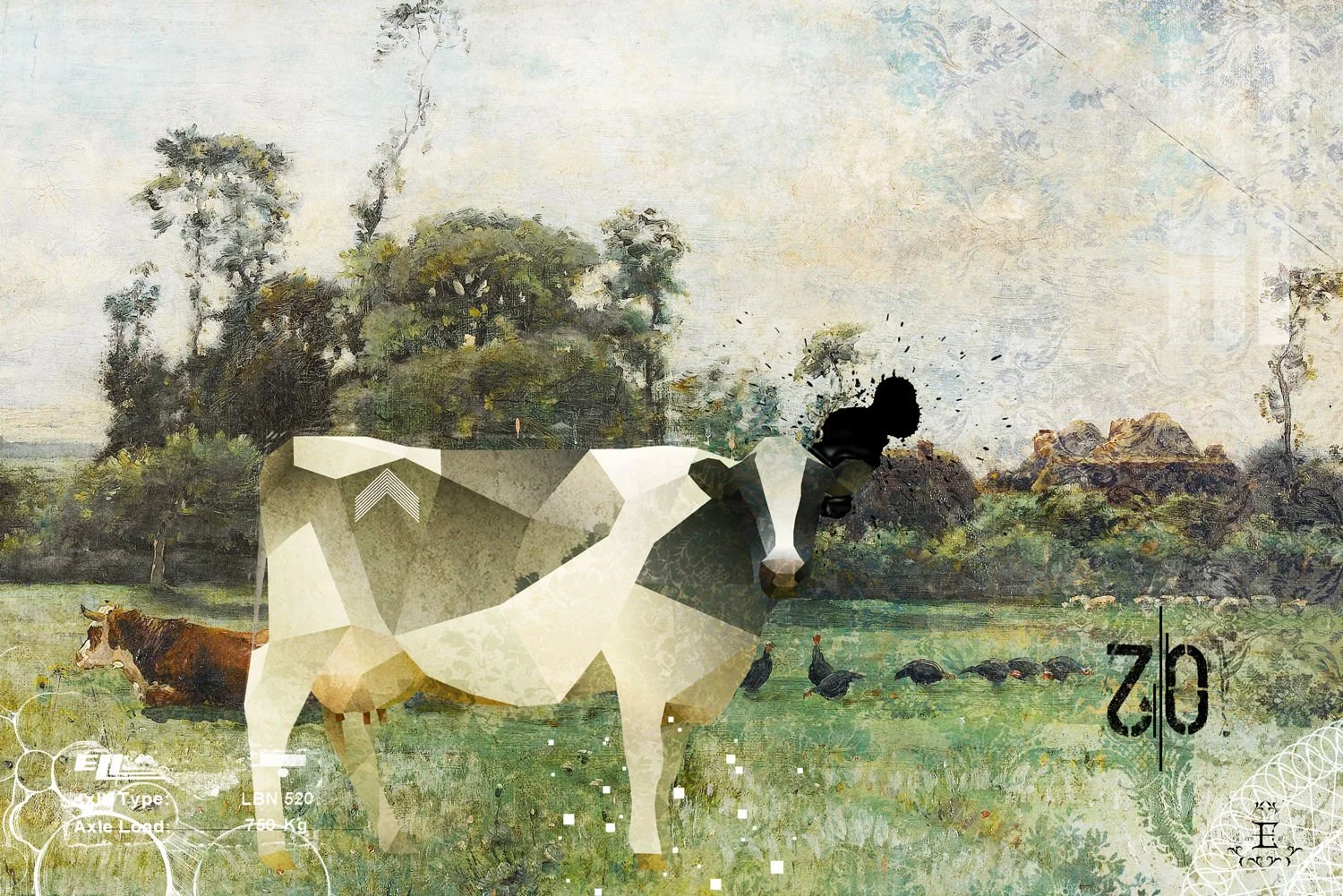
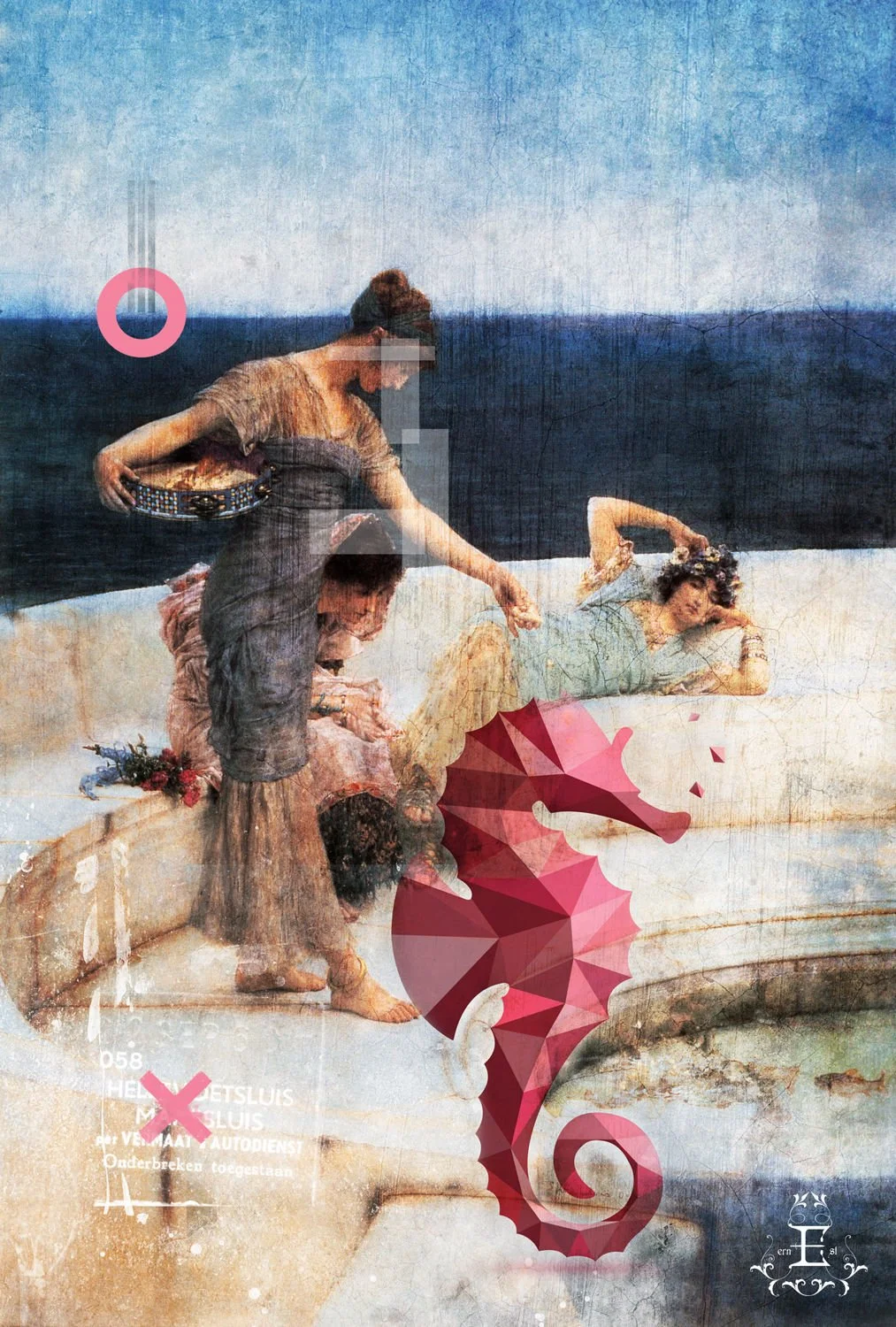
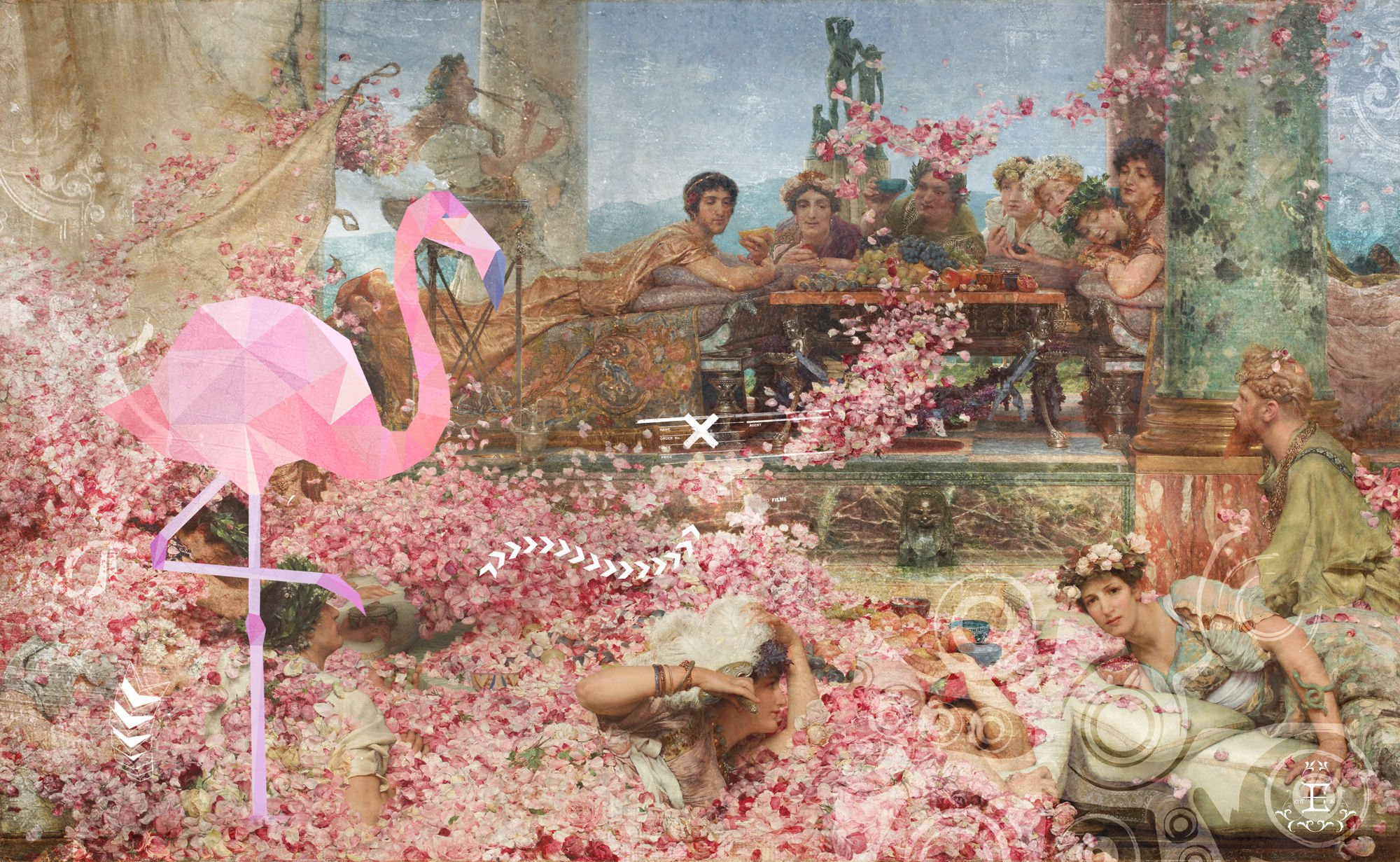
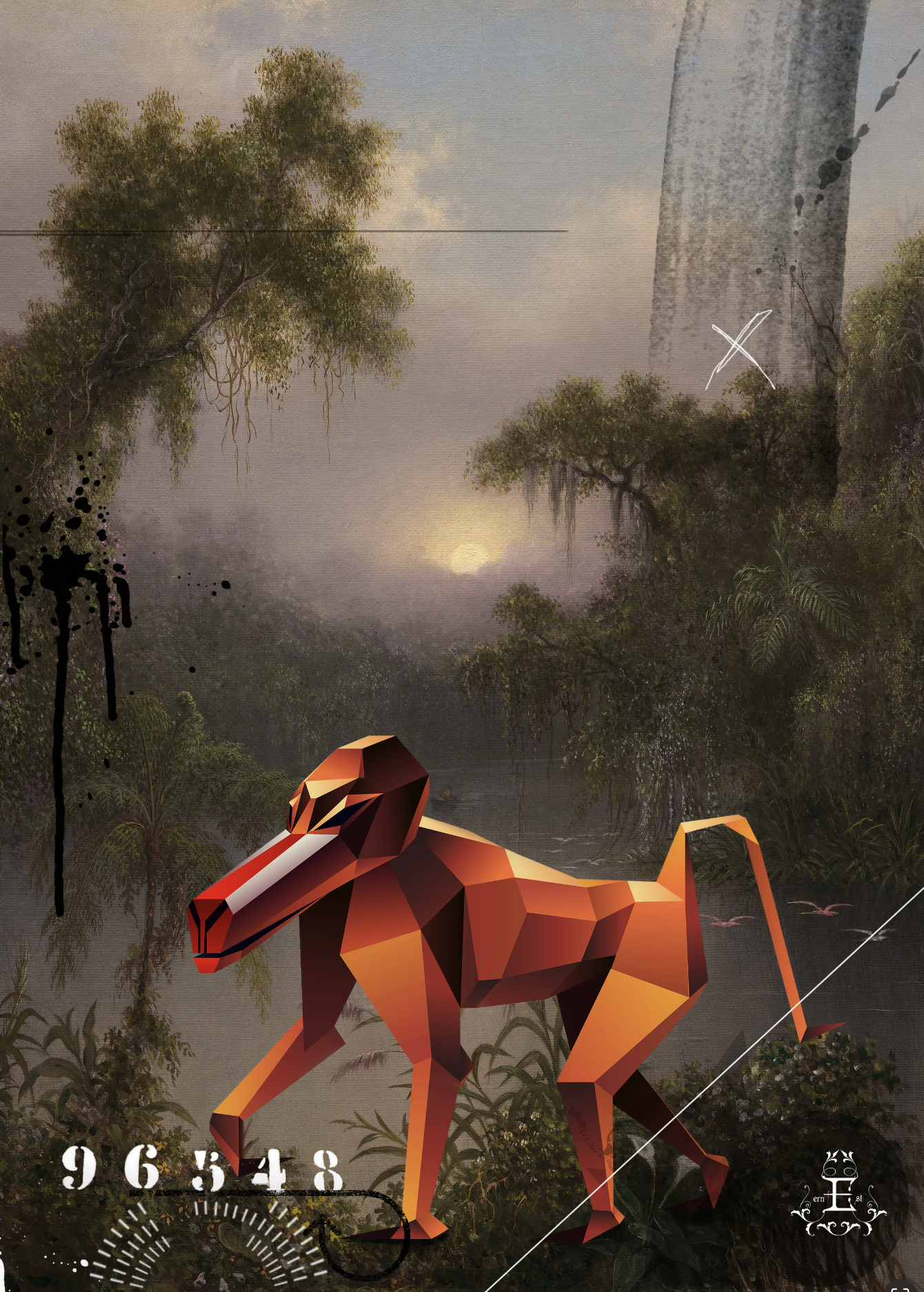
Polygon
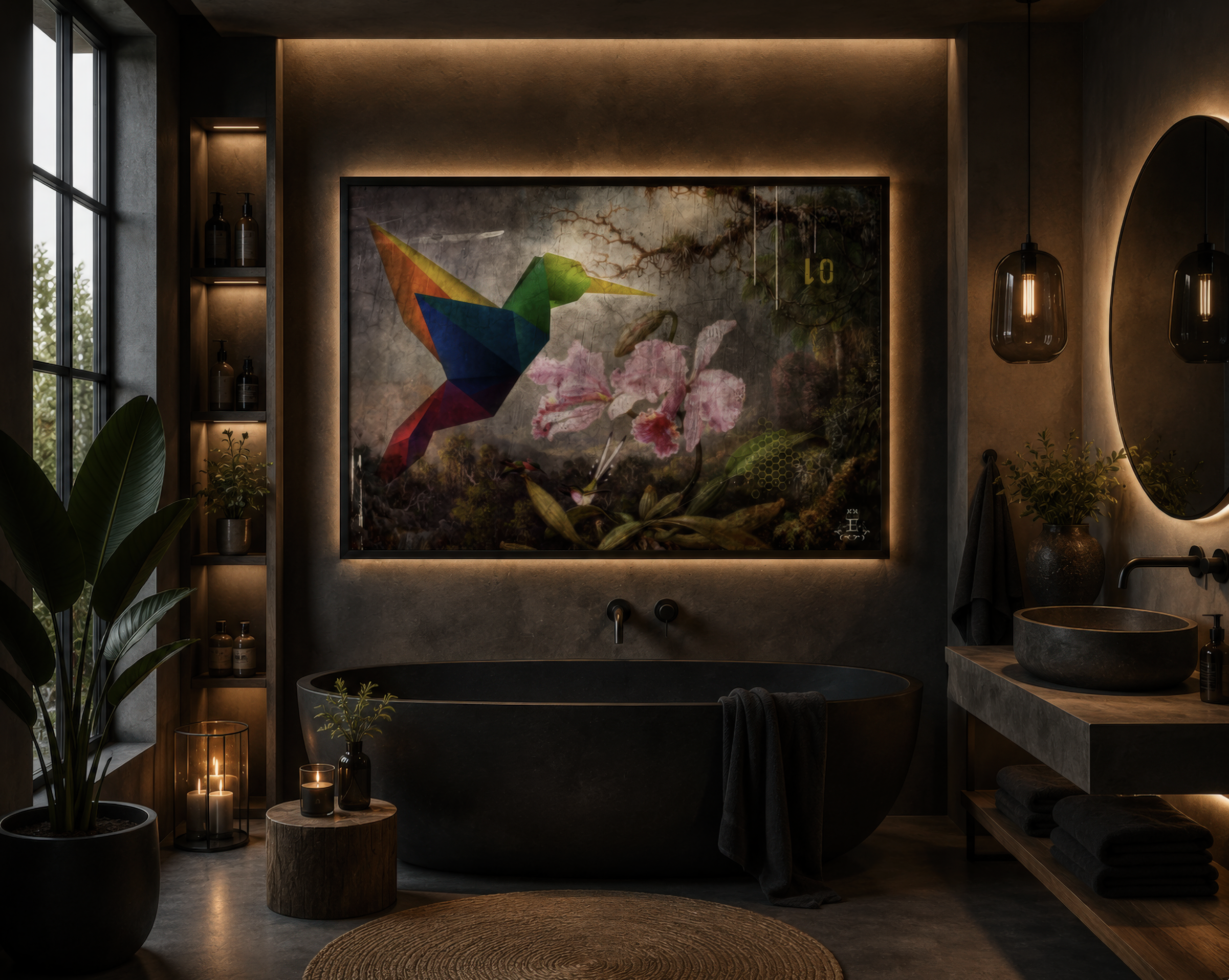
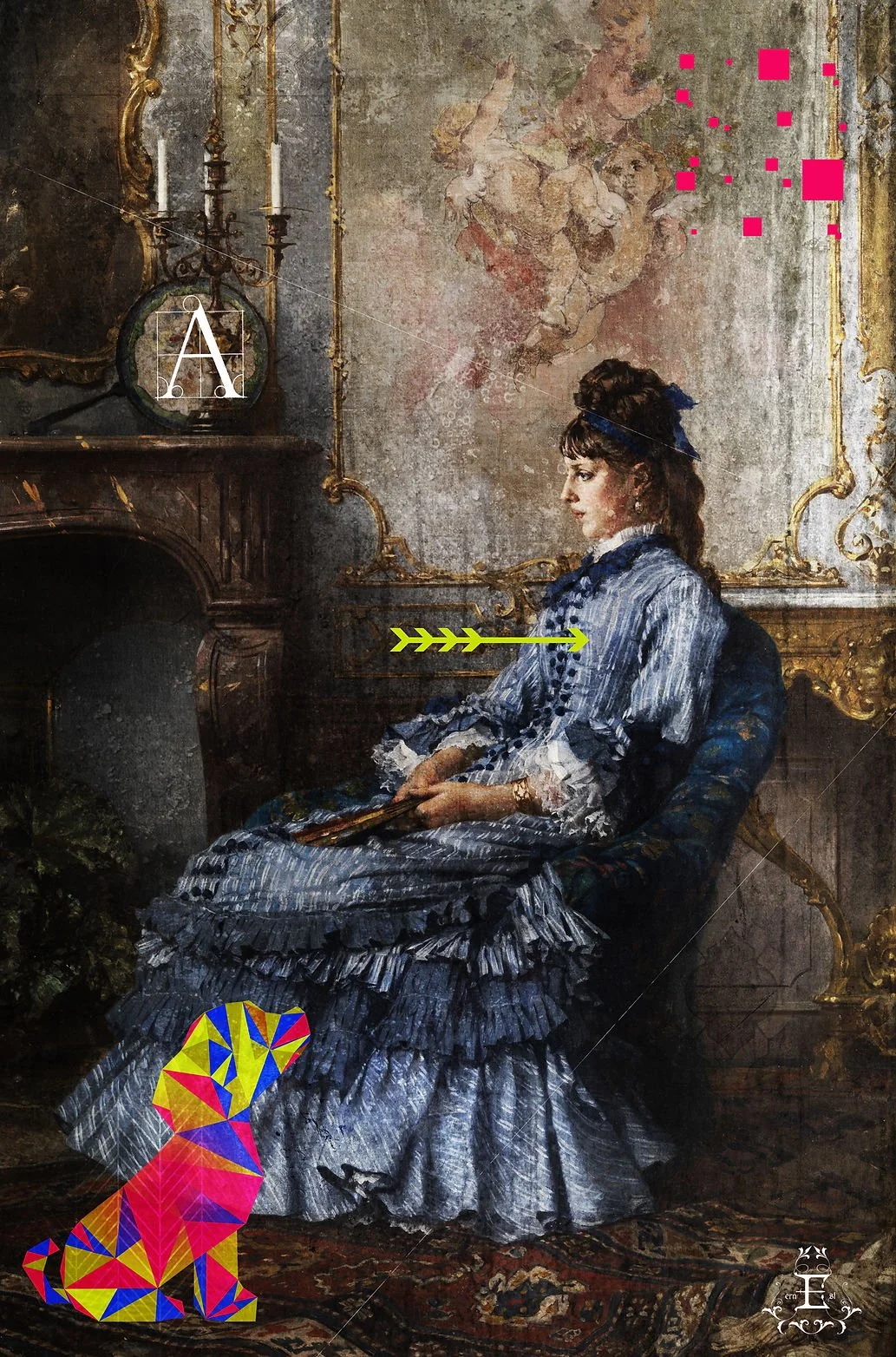
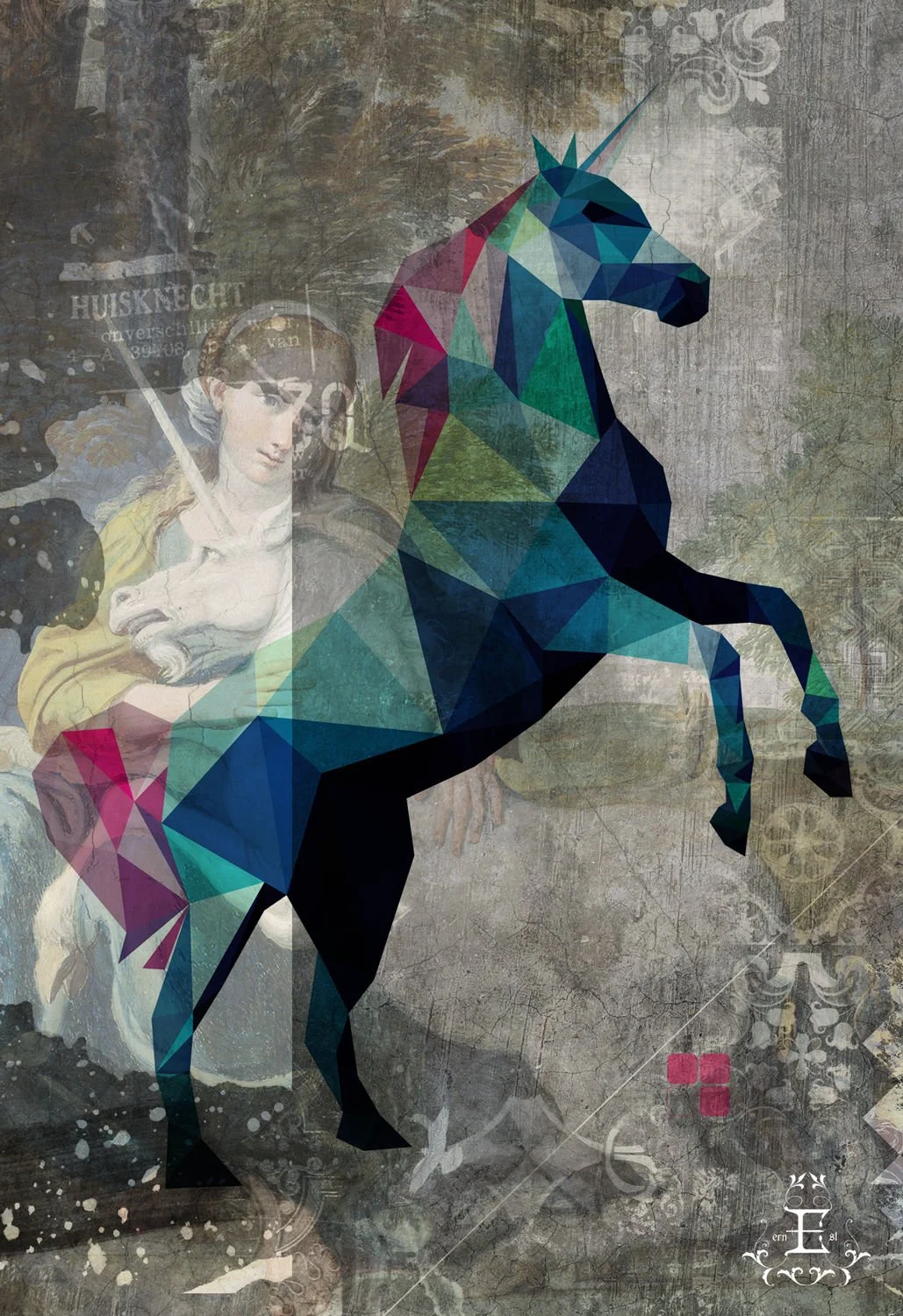
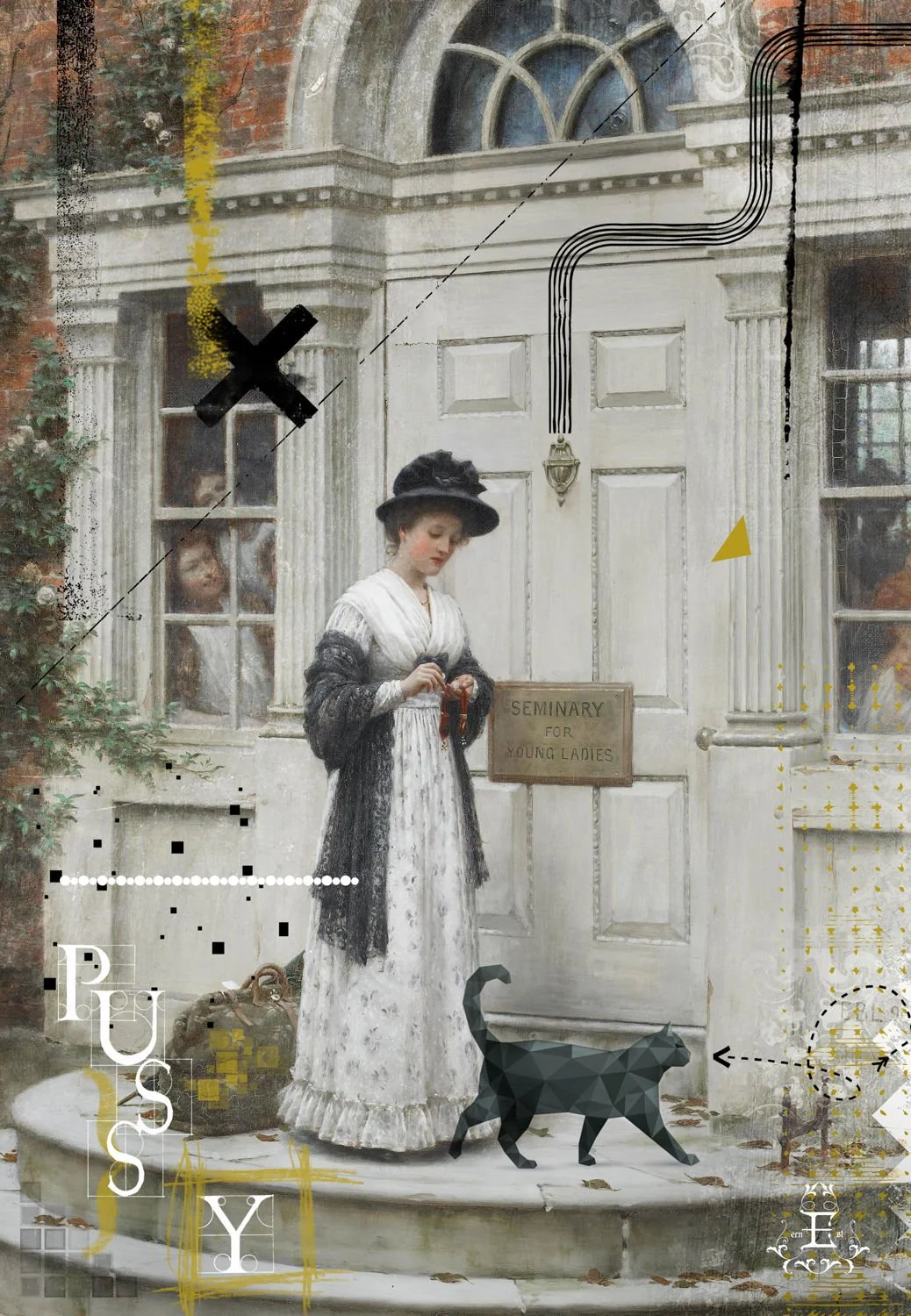
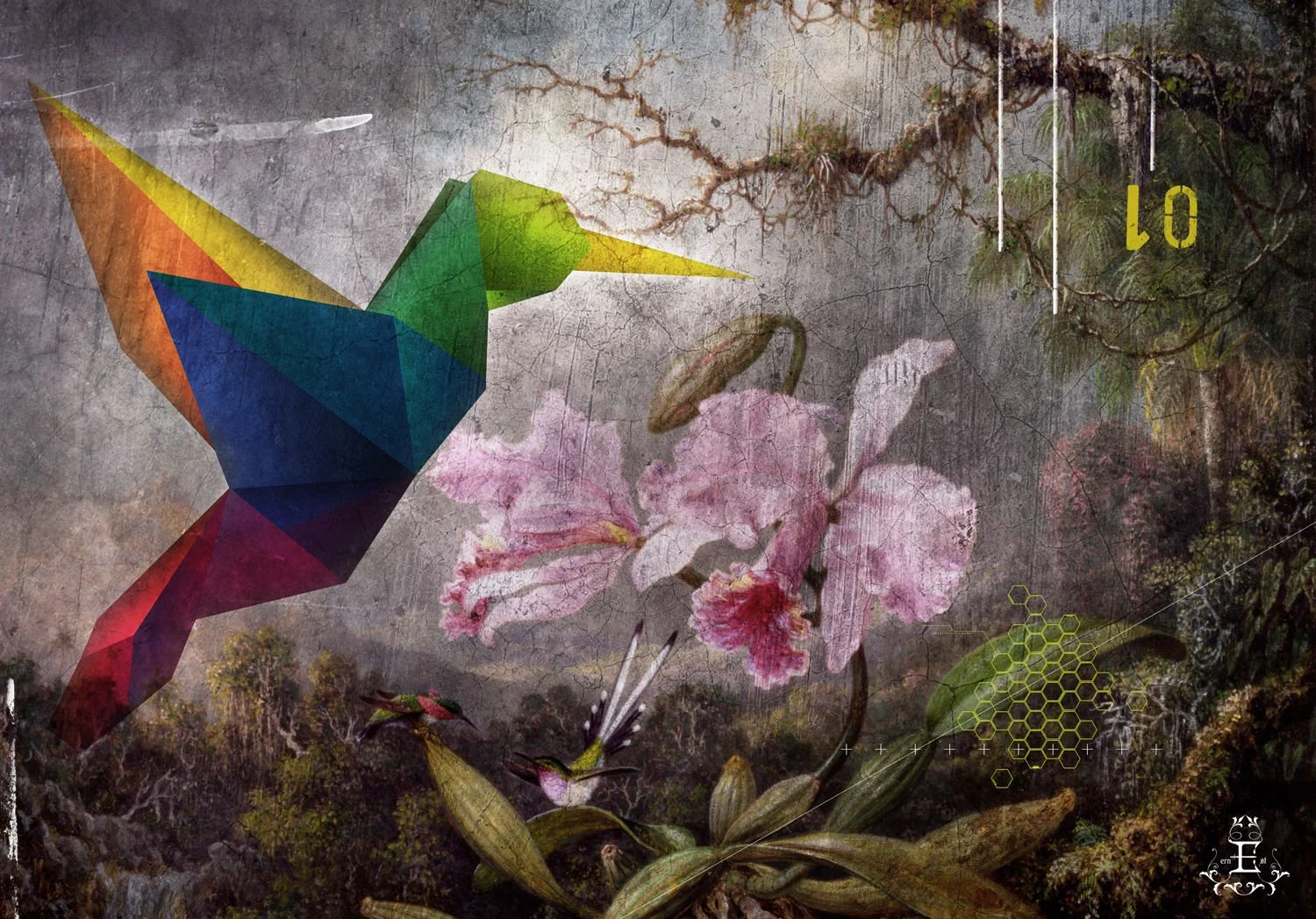
explores the collision between classical art and emerging digital culture.
Created in 2015, the collection combines historical imagery with geometric fragments, graphic symbols and layered digital interventions. Romantic paintings and nostalgic scenes are interrupted by polygonal forms that resemble data structures, visual glitches or fragmented memories.
The works exist between past and future blending fine art, graphic design and digital aesthetics into hybrid compositions filled with tension and atmosphere.
Long before AI-generated imagery and post-digital art became part of contemporary visual culture, Polygon investigated how technology transforms perception, beauty and memory.
Rather than replacing the original imagery, the digital elements become part of a new visual language — one where classical emotion and digital abstraction coexist.
Praesent id libero id metus varius consectetur ac eget diam. Nulla felis nunc, consequat laoreet lacus id.